

Dynamic mobile parcel lockers for last-mile deliveries in Padua
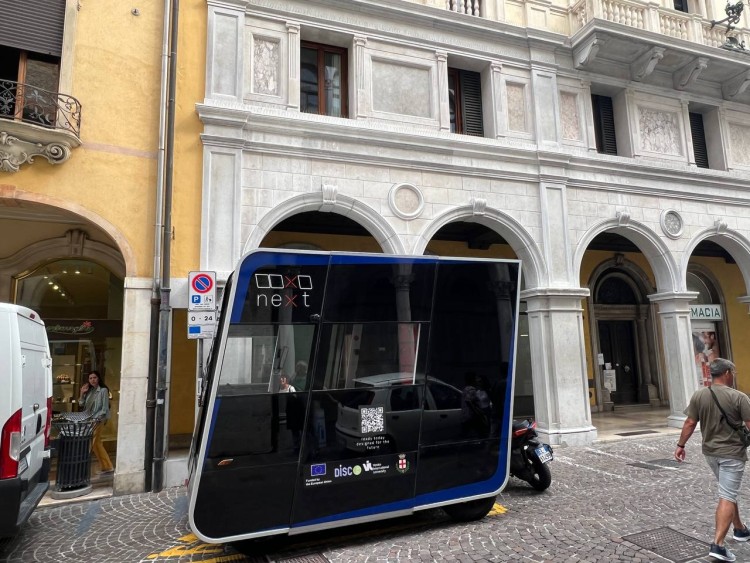
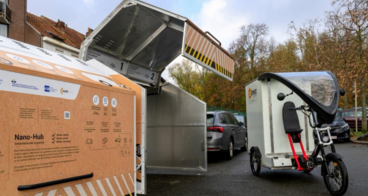
ePods mobile parcel locker demonstrated in the DISCO Padua Living Lab. The modular electric vehicle brings parcel collection closer to users by temporarily deploying lockers where demand exists, reducing unnecessary vehicle movements and making more efficient use of urban space.
The Challenge
European cities are facing increasing pressure to make last-mile logistics more sustainable while accommodating growing e-commerce demand, stricter environmental regulations and limited urban space. Conventional parcel locker networks are static, requiring permanent public space and often remain underutilised, while traditional van-based deliveries generate congestion, emissions and failed delivery attempts, particularly in dense urban areas and historic city centres.
In Padua, Italy, the objective was to demonstrate a more flexible urban logistics model capable of bringing parcel collection closer to final recipients without requiring permanent infrastructure. The solution sought to reduce the average distance between recipients and collection points, improve the efficiency of last-mile operations, optimise the use of curbside space through dynamic deployment and support data-driven urban freight management through integration with the DISCO Urban Freight Data Space (UFDS).
The Solution
The solution consisted of a dynamic last-mile delivery system based on modular electric vehicles equipped with mobile parcel lockers (ePods). Unlike conventional parcel lockers permanently installed in fixed locations, ePods can be deployed where delivery demand exists, allowing logistics infrastructure to move according to operational needs and making more efficient use of urban space.
In the Padua Living Lab, goods were transported from a logistics hub on the city's outskirts to the city centre using modular electric vehicles carrying locker modules. The mobile lockers were deployed at selected loading and unloading zones, allowing customers to collect parcels close to their destination while reducing unnecessary vehicle movements.
The modular architecture separates the propulsion platform from the service module, enabling different locker configurations according to operational needs. Customers received a notification when their parcel was available and retrieved it using a secure access code.
The solution was integrated with the municipal curbside booking system, allowing operators to reserve loading and unloading spaces through a digital platform. This supports dynamic curbside management while providing municipalities and logistics operators with a flexible, zero-emission alternative to conventional delivery vans and fixed parcel locker networks.
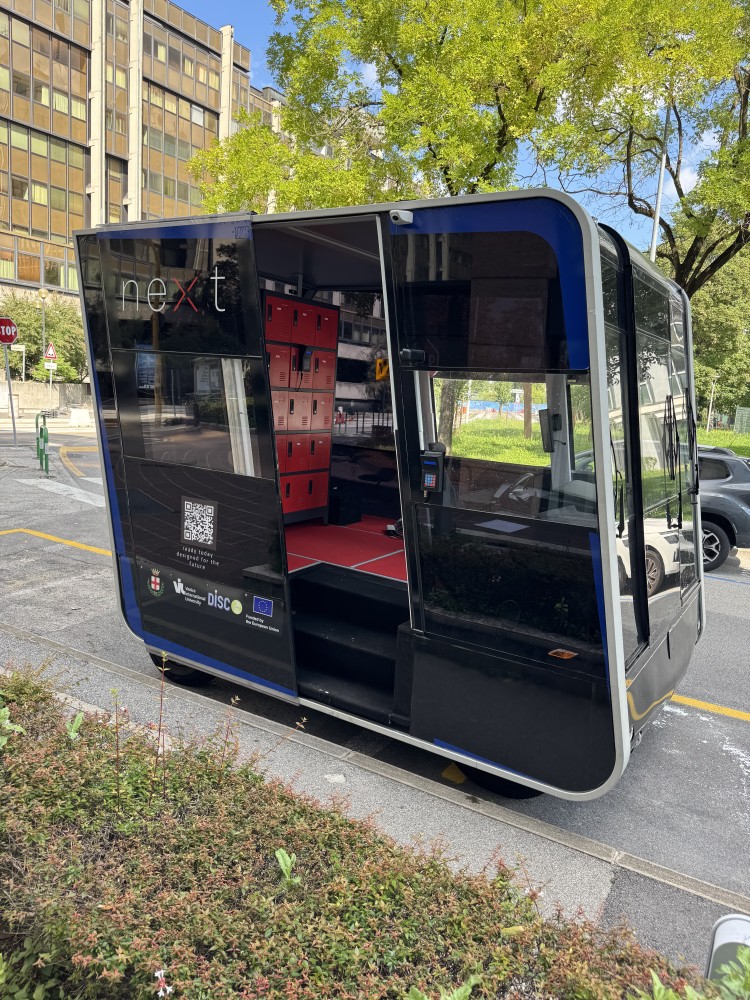
ePods mobile parcel locker demonstrated in the DISCO Padua Living Lab. The modular electric vehicle brings parcel collection closer to users by temporarily deploying lockers where demand exists, reducing unnecessary vehicle movements and making more efficient use of urban space.
Making an impact
The project demonstrated a new approach to last-mile deliveries using mobile electric parcel lockers that can be moved to different locations depending on demand, rather than remaining permanently installed. The pilot also introduced a digital system for reserving loading and unloading spaces, helping delivery operators access designated curbside areas more efficiently. Together, these innovations improved the flexibility of urban deliveries while making better use of limited public space.
The pilot achieved measurable operational improvements. The average number of deliveries completed by each vehicle increased from 3.7 to 6.6 deliveries per day (+78%), while the success rate of first-attempt deliveries increased from 51.1% to 77.2%.
Average delivery costs fell from €24.54 to €10.73 per parcel (−56%), and the average distance travelled by each vehicle decreased from 10.24 km to 9.54 km per day (−7%). These results demonstrate the potential of flexible mobile parcel lockers to improve delivery efficiency while reducing unnecessary vehicle movements and supporting more sustainable urban logistics.
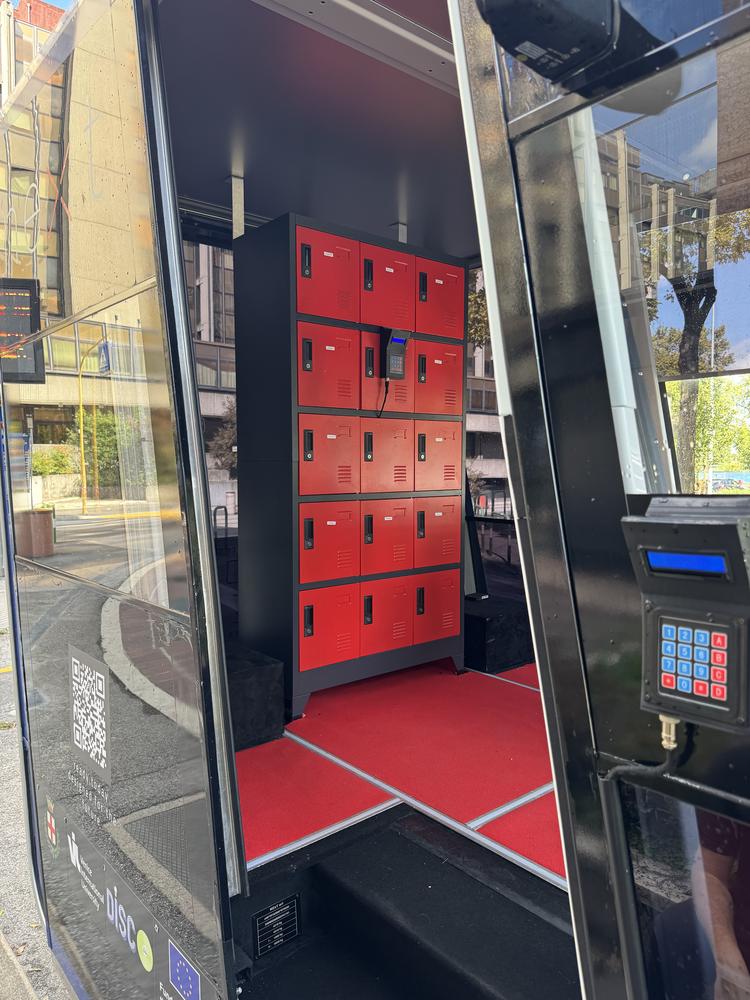
Interior view of the ePods mobile parcel locker used in the Padua Living Lab. The modular locker system allows customers to securely collect parcels using an access code, bringing collection points closer to users and supporting flexible, zero-emission last-mile deliveries.
Lessons learnt
The pilot showed that introducing mobile parcel lockers is not only a technical challenge but also an organisational one. A clear regulatory framework is needed to allow flexible use of loading and unloading spaces, ensuring that innovative delivery solutions can operate effectively alongside existing traffic and logistics activities.
Another important lesson was the value of involving all stakeholders from the beginning. Close collaboration between the municipality, technology provider and logistics operators helped adapt the solution to local needs and build confidence in a new delivery model. Early engagement also made it easier to identify operational issues before large-scale deployment.
The pilot demonstrated that combining several complementary solutions delivers greater benefits than implementing them separately. Mobile parcel lockers, digital booking of loading and unloading spaces and data sharing worked together to improve delivery efficiency while providing valuable information for future planning and optimisation.
Finally, the Padua experience confirmed that the solution can be replicated in other cities. By adapting the approach to local regulations, urban layouts and logistics needs, cities can introduce a more flexible and space-efficient alternative to conventional parcel locker networks and last-mile delivery operations.
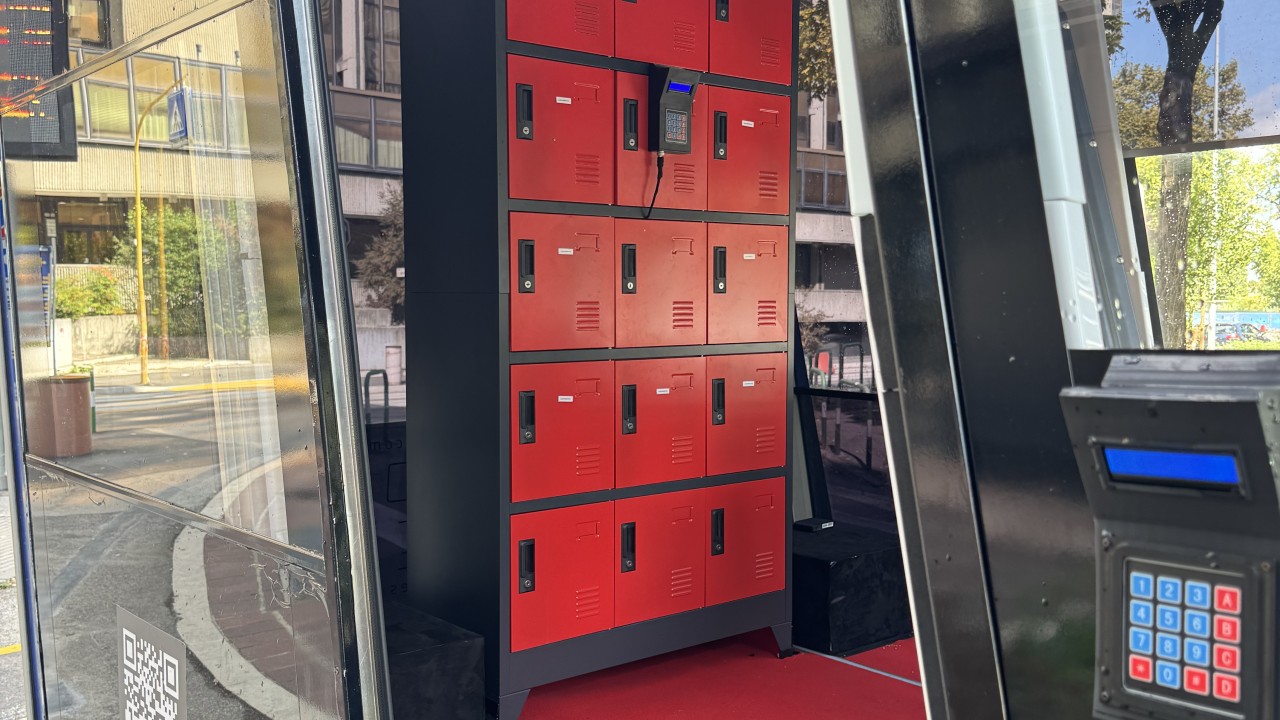
Interior view of the ePods mobile parcel locker used in the Padua Living Lab. The modular locker system allows customers to securely collect parcels using an access code, bringing collection points closer to users and supporting flexible, zero-emission last-mile deliveries.
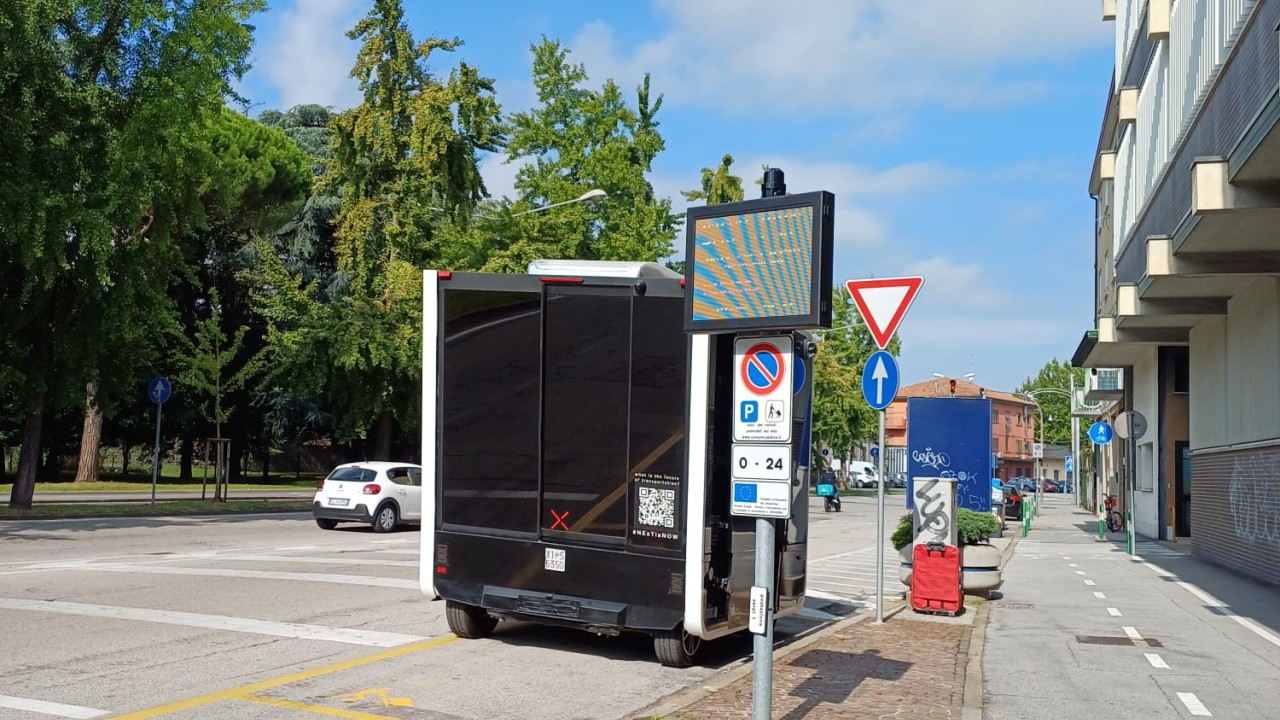
The ePods mobile parcel locker deployed in a designated curbside loading and unloading space in Padua. The pilot demonstrated how mobile parcel lockers and digital curbside management can share public space more efficiently, bringing parcel collection closer to users while supporting cleaner and more flexible last-mile deliveries.
Interior view of the ePods mobile parcel locker used in the Padua Living Lab. The modular locker system allows customers to securely collect parcels using an access code, bringing collection points closer to users and supporting flexible, zero-emission last-mile deliveries.
The ePods mobile parcel locker deployed in a designated curbside loading and unloading space in Padua. The pilot demonstrated how mobile parcel lockers and digital curbside management can share public space more efficiently, bringing parcel collection closer to users while supporting cleaner and more flexible last-mile deliveries.