


Search
Showing 577 - 592 of 1187 results
Best Practices
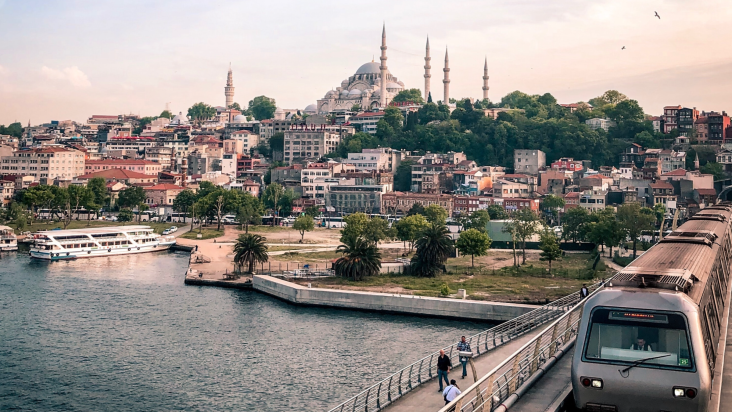
Istanbul: Applied immersive modelling to engage public transport users
The Istanbul Metropolitan Municipality aims to develop a new Mobility Lab.
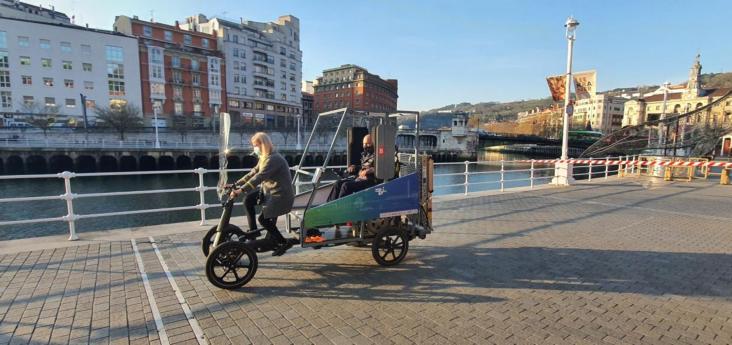
Piloting an inclusive e-bike solution
Current urban mobility systems put certain groups of society at disadvantage – lack of inclusivenessSustainable active modes are unaccessible for elderly or physical impaired people,
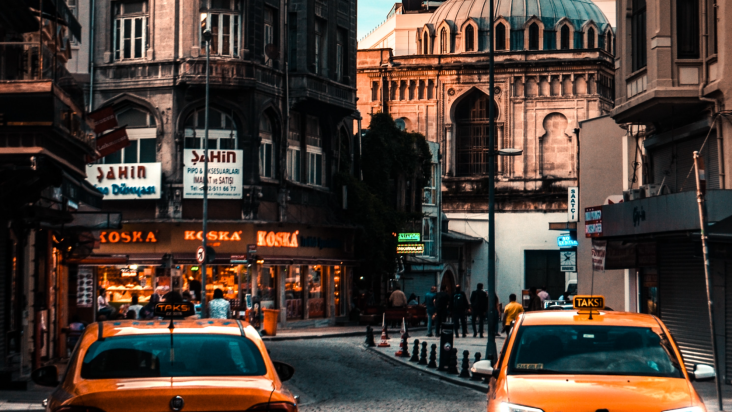
Istanbul: More equitable access to the taxi system
In Istanbul, 1.7 million of the 32 million daily journeys are made by taxis. While the urban population has grown, the number of taxis (around 20k) remained stable since the 90s.
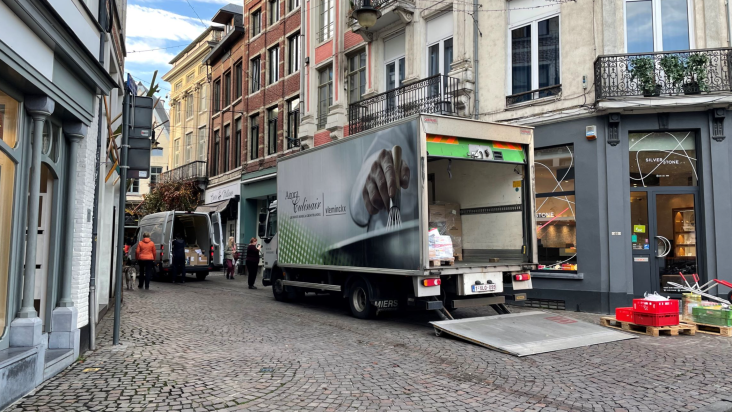
Leuven: Reimagining the curbside
Cities curbs, being the interface between roads and sidewalks, are more contested than ever due to the growth of urban logistics, active mobility, and new mobility.
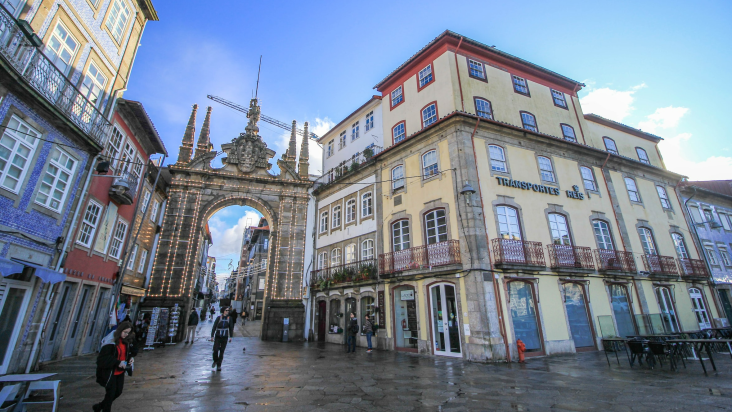
Braga, Istanbul, Tallinn: Accelerating the modal shift through gamification
The cities of Braga, Tallinn and Istanbul are developing ambitious plans to improve the mobility of people and goods, reduce emissions and promote the shift towards low-carbon mobility systems and
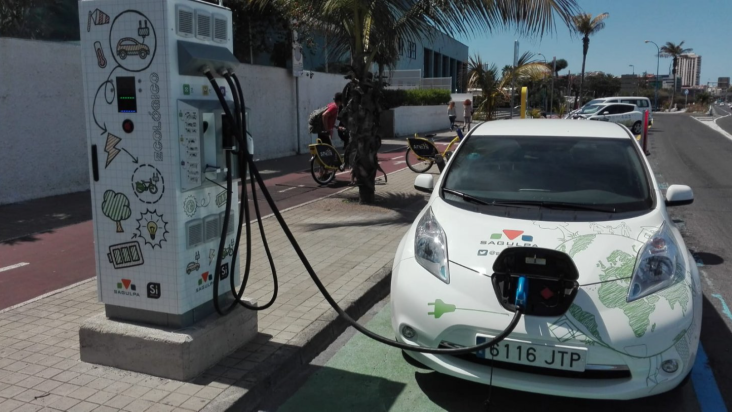
Las Palmas: Implementing fast EV chargers and an electrified public fleet
Before the implementation of this measure, Las Palmas de Gran Canaria had three fast charging points in one of its public parking facilities.
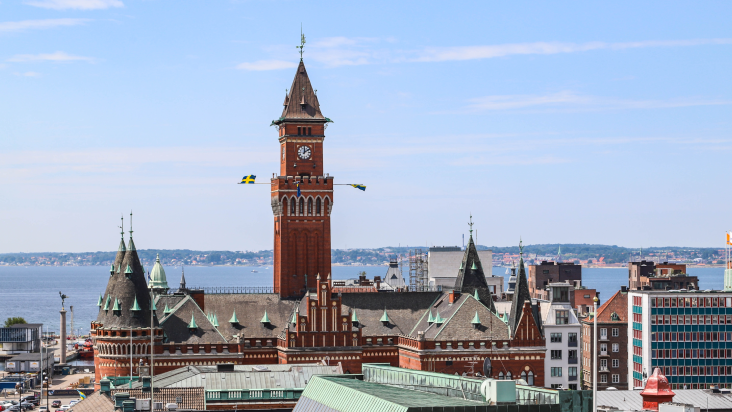
Helsingborg: Cultivating bicycle culture in schools
The City of Helsingborg confronts a dual challenge rooted in both safety concerns around primary schools and the broader goal of fostering a culture of sustainable mobility.
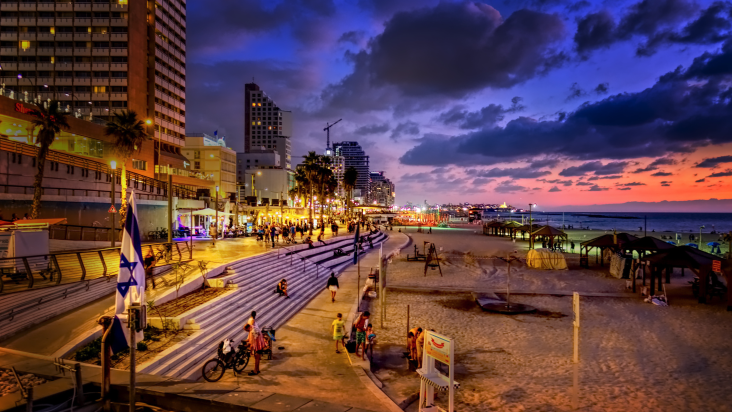
Tel-Aviv: Retrofitting bike racks for secure and connected micromobility parking
Every 18 minutes a bicycle or scooter is stolen in Tel Aviv. Theft is ranked as the second most important reason for not using micro mobility.
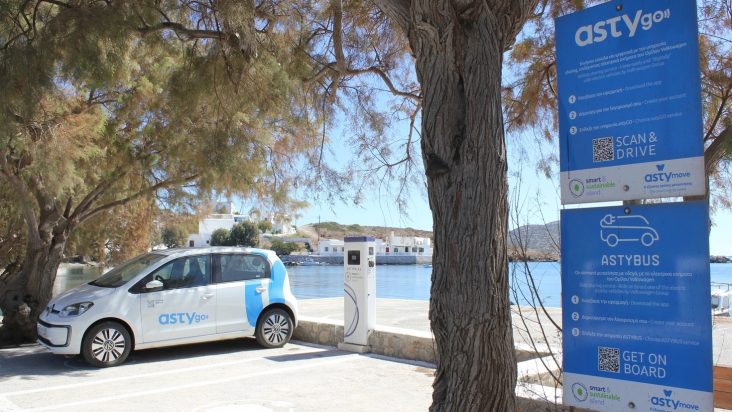
Astypalea: On-demand and shared mobility for an entire island
The challenge has been defined by the Greek island to relaunch the local transport system by integrating a more sustainable mix of different types of mobility modes ands electric v
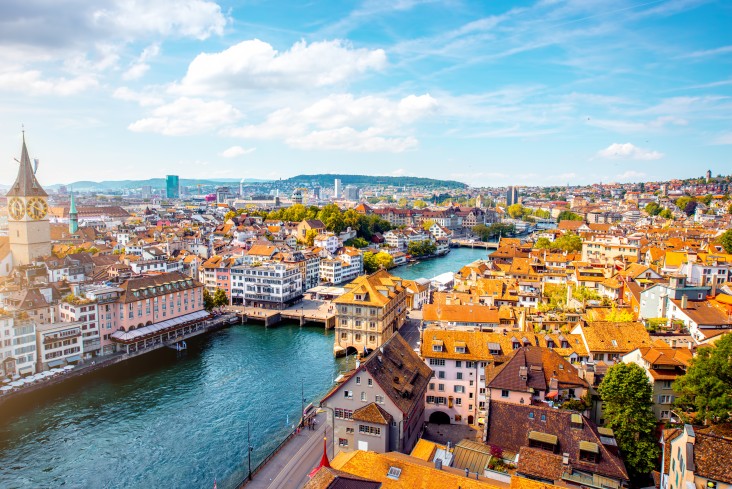
Community Mobility Sharepoints in Munich and Zurich
The goal is to encourage and support families in urban areas to be mobile without a private car and use active modes of travel, such as the electric cargo bike or a pedelec with a trailer attached.
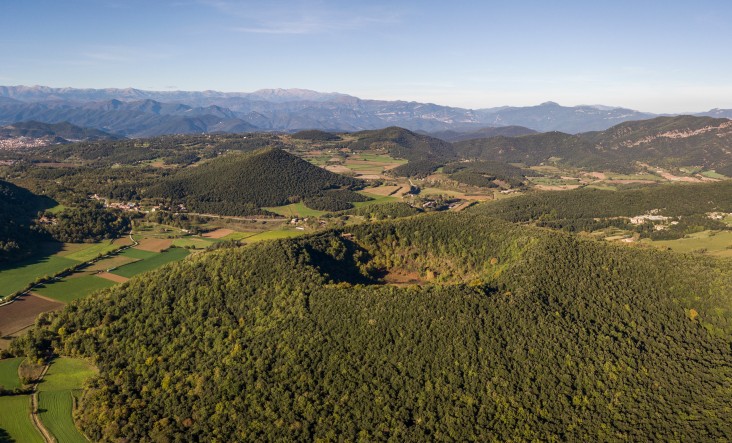
Girona: Mobilising former transport deserts
The region of Garrotxa has a total population of 59,000 spread over a remote area of 735 sq.km making for a sparsely populated area with an average density of 70 inhabitants per sq.km.
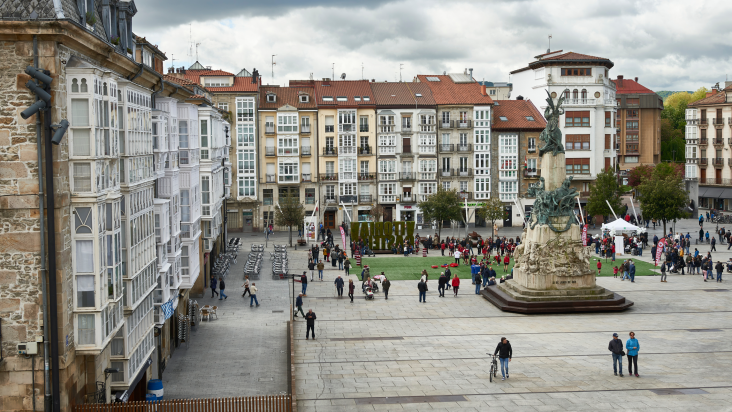
Vitoria-Gasteiz: Implementing a carpooling network
Vitoria aims to address solo car commuting due to its environmental impact and the associated carbon emissions.
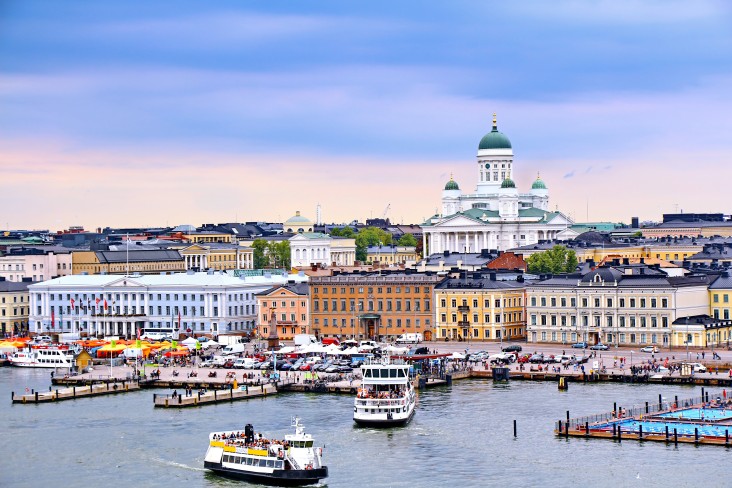
Helsinki: Piloting an autonomous shuttle
FABULOS (Future Automated Bus Urban Level Operation Systems) focused on how cities can use automated buses in a systematic way.
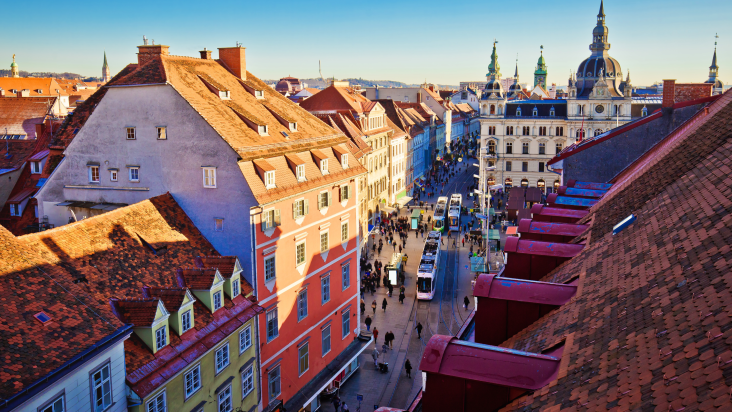
Graz: Implementing 'School Living Labs'
In many cities, parents do not feel safe letting their children walk or cycle to school because of the traffic situation – not realising that they themselves contribute to the dangerous situation b
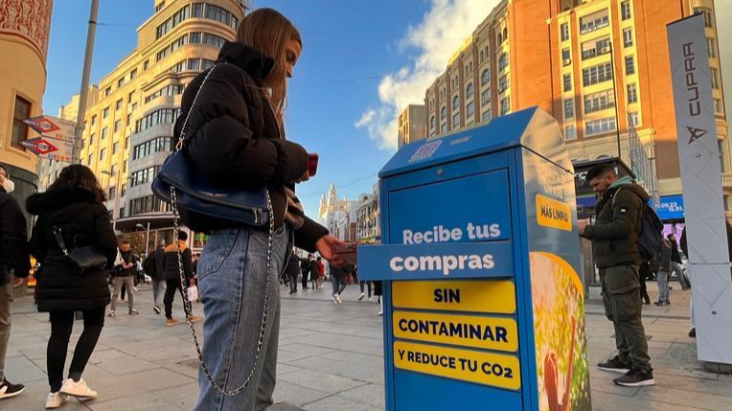
Madrid: Piloting a sustainable last-mile delivery system
The rise of e-commerce has dramatically increased the presence of delivery vans in our cities, causing more C02 emissions, noise pollution, and congestion.
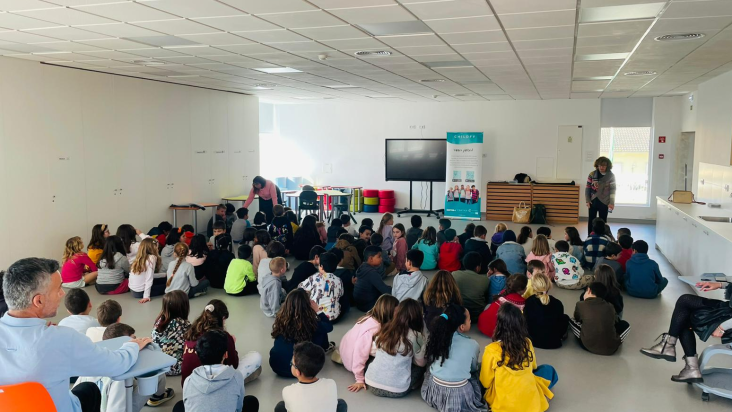
Cascais: Improving mobility for children
Most residents in São Domingos de Rana commute daily either in the direction of Cascais center to the western side, or in the direction of Lisbon to the eastern side.