

Luleå, Sweden: winter road condition data for active mobility
The Challenge
How can Luleå promote and increase soft mobility by using winter road-condition data to help citizens choose safe and accessible routes in a subarctic climate?
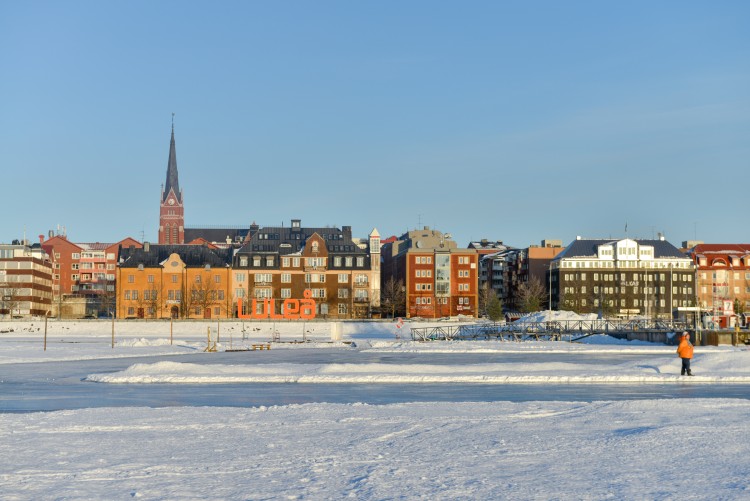
Luleå Municipality is located in a subarctic region in Sweden. The city is looking for a solution that provides clear, real-time information on weather, road conditions, and maintenance activities affecting winter walking and cycling. The city wants to guide citizens on safe routes and travel timing to support soft mobility in winter. By improving information and trust, Luleå aims to reduce accidents and increase walking and cycling trips compared to motorised travel.
Who can apply?
The RAPTOR Open Call 2026 is open to single small and medium-sized enterprises (SMEs). Proposals must be submitted by one legal entity only; consortia are not permitted.
Applicants must:
- Qualify as an SME under the European Commission definition
- Be legally established in an EU Member State or a Horizon Europe associated country
- Propose a solution addressing one RAPTOR 2026 City Challenge
Applicants may apply to multiple city challenges, but only one project can be funded per applicant.
For full requirements, visit the website.
Background
Luleå Municipality’s subarctic climate brings long winters with heavy snowfall and frequent freeze–thaw cycles, creating difficult and often unsafe conditions for walking and cycling. Snow buildup, uneven surfaces, and icy roads disproportionately affect pedestrians and cyclists, leading to reduced soft-mobility travel in winter. While winter maintenance is carried out by the municipality and national authorities, it cannot cover the entire road network continuously. As a result, citizens lack clear, timely information on which routes are safe to use. Addressing this information gap is key to supporting winter mobility, reducing emissions, and encouraging walking and cycling year-round.