


Unlocking scalable hydrogen refuelling infrastructure in urban areas
Supported by EIT Urban Mobility
The Challenge
Hydrogen mobility in the Madrid metropolitan area (Madrid) is currently constrained by a structural lack of publicly accessible hydrogen refuelling infrastructure. Existing hydrogen refuelling stations are scarce and often operate under restricted access or appointment-based models, which limits everyday usability and slows down fleet conversion decisions.
This local gap is critical in the context of the EU Alternative Fuels Infrastructure Regulation (AFIR), which requires Spain to develop a minimum hydrogen refuelling network by 2030. Requirements include publicly accessible stations with at least 1 tonne/day dispensing capacity, 700-bar capability, TEN-T core network coverage every 200 km, and at least one station per urban node. In Spain, this translates into an estimated need for around 78 hydrogen refuelling stations (approximately 48 in urban nodes and 30 along the TEN-T core network), highlighting the urgency to accelerate deployment in metropolitan areas such as Madrid.
However, deployment is slowed by structural barriers: high CAPEX and OPEX, limited availability of suitable urban sites and complex permitting processes driven by varying safety-distance interpretations and regulatory requirements. These factors make conventional hydrogen station roll-out slow, costly, and difficult to scale.
The Solution
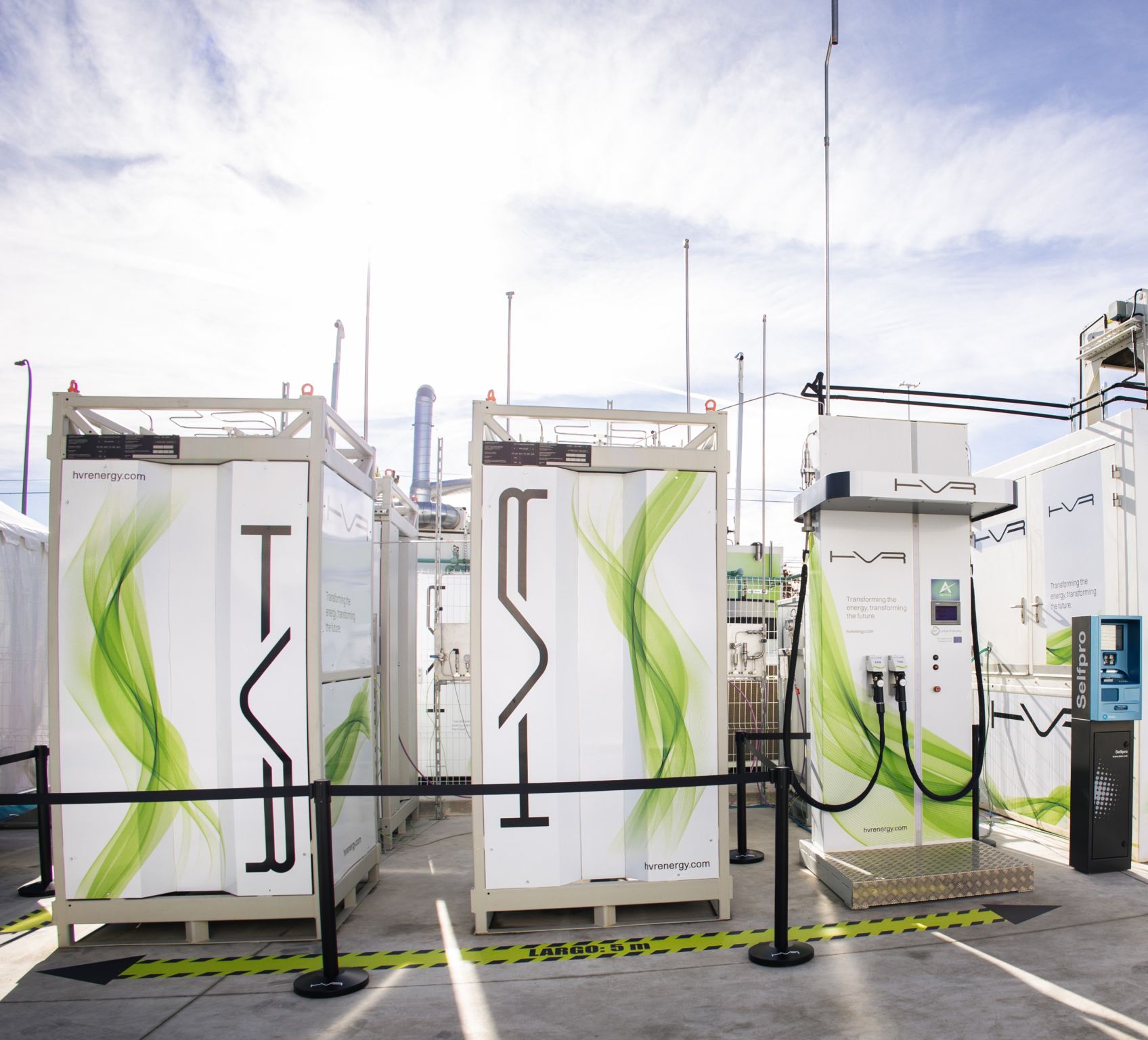
The ACTIVA H2 Madrid project addressed these challenges by demonstrating a compact, modular and replicable hydrogen refuelling station designed specifically to reduce deployment barriers.
The solution is engineered as a plug-and-play system with a reduced footprint, lower power requirements and simplified civil, mechanical, electrical and control integration. It is designed in alignment with ISO 19880-1 principles and supported by structured safety documentation, including risk assessments, operational procedures and compliance evidence. This approach is intended to streamline permitting processes and improve regulatory acceptance.
The demonstration unit, deployed at HVR Energy’s facility in Coslada, operates in a real-world environment and supports both 350-bar and 700-bar dispensing, enabling refuelling of passenger vehicles and both light and heavy-duty fleet applications. Beyond technical validation, the site also functions as a live demonstration and stakeholder engagement platform for OEMs, fleet operators, authorities and fuel retailers.
Making an impact
The Madrid demonstration delivered both technical validation and early market traction.
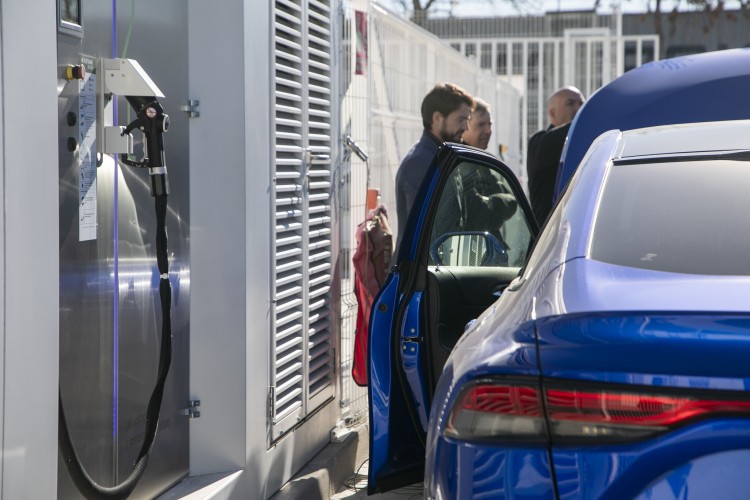
During the operational period, approximately 40 refuelling operations were completed across four different vehicle types, confirming functional readiness in a real operational setting. A public launch event with more than 100 attendees significantly increased visibility and awareness of the modular hydrogen refuelling concept.
This visibility translated into concrete commercial and institutional interest, including engagement from OEMs such as Toyota and Hyundai, as well as institutional stakeholders including the Guardia Civil (Spanish police). In parallel, more than 50 discussions were initiated with petrol station operators interested in deploying similar modular hydrogen stations within existing service stations over the next 24 months.
The project also generated external replication interest, with the compact solution being considered for hydrogen refuelling tenders in strategic port locations including Barcelona, Alicante, Cartagena and Algeciras. Overall, the project demonstrated that a modular, containerised approach can de-risk hydrogen infrastructure deployment and accelerate market readiness.
Lessons learnt
The demonstration highlighted several key lessons for future hydrogen refuelling deployments in Spain:
First, early and continuous alignment with host site decision-making processes is essential. Even with strong market interest, site availability can change, so robust fallback site strategies are necessary to protect delivery timelines.
Second, permitting and safety compliance must be treated as a core engineering activity rather than an administrative step. Preparing ISO 19880-1-aligned documentation (risk assessments, operating procedures, and compliance matrices) in parallel with design and construction helps accelerate engagement with authorities and clarifies safety-distance approaches (e.g., QRA versus deterministic methods), which remain a key bottleneck.
Third, certification readiness and full traceability of components should be embedded early in the project to avoid delays during installation and commissioning.
Finally, the project confirmed that operational visibility is a major accelerator of adoption. Combining a live, functioning station with structured stakeholder engagement converts technical validation into tangible commercial demand signals, reinforcing replication interest from both private and institutional actors.