


Search
Showing 545 - 560 of 1187 results
Products

CautCurier
A same-day B2B urban logistics platform that enables companies to deli...
Find out more...about CautCurier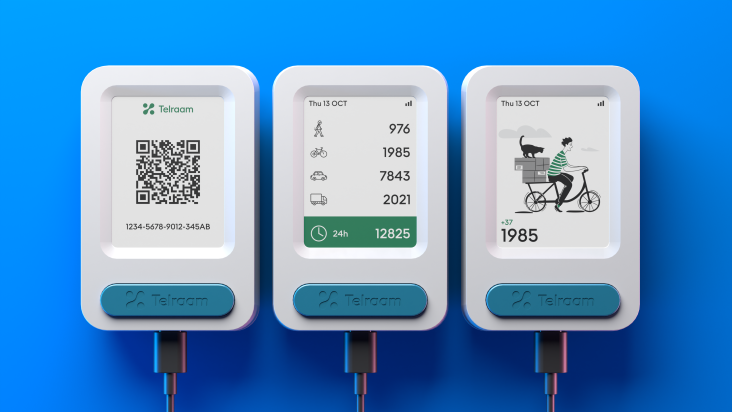
Telraam
A citizen-deployed IoT traffic monitoring solution: window-mounted sen...
Find out more...about Telraam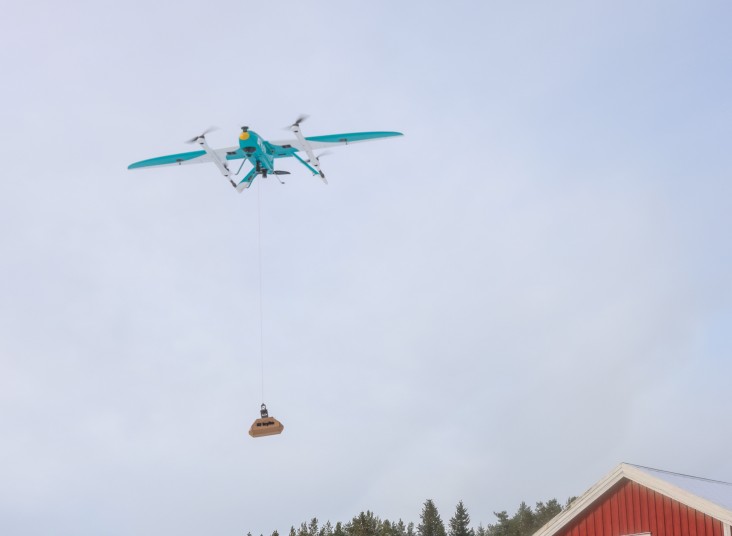
Autonomous last-mile delivery with drone
More efficient, environmentally sustainable, and cheaper than current ...
Find out more...about Autonomous last-mile delivery with drone
StreetCo
Crowd and professional field reporting app that captures and validates...
Find out more...about StreetCo
StreetNav
Inclusive navigation app that provides accessible routes tailored to d...
Find out more...about StreetNavBest Practices
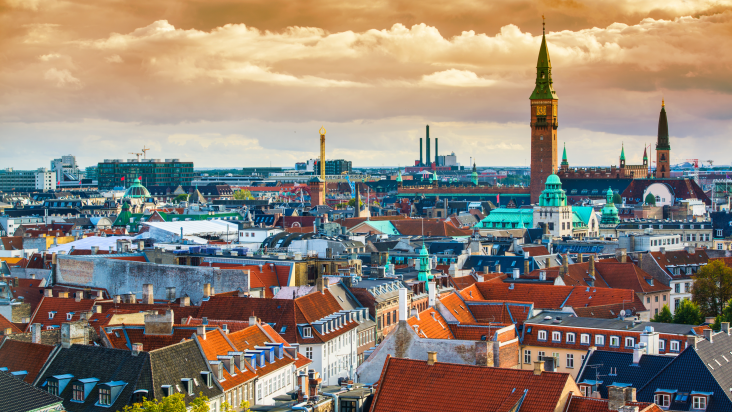
Copenhagen: Climate adaptation for more resilient and green urban neighborhoods
The climate challenges that Copenhagen is facing are mainly related to the increase in precipitation – and rising sea levels.
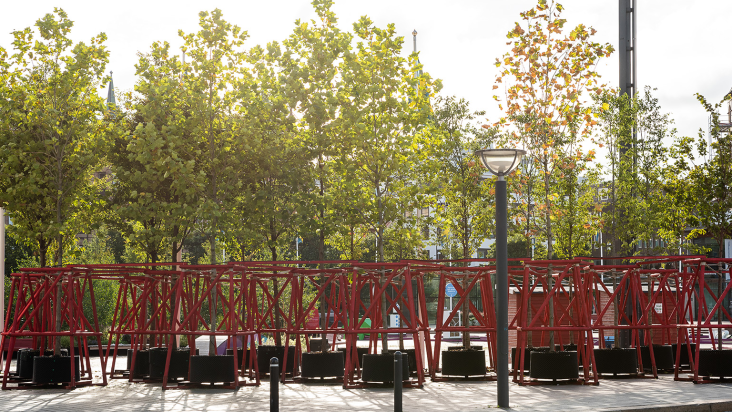
Helsingborg: Portable parks as a flexible solution to green the city
A flexible approach for building the sustainable city

Bologna: App incentivices sustainable travel for citizens
SRM, Bologna’s public transport authority, wanted to try a new approach to improve congestion and reduce CO2 emissions in the city.
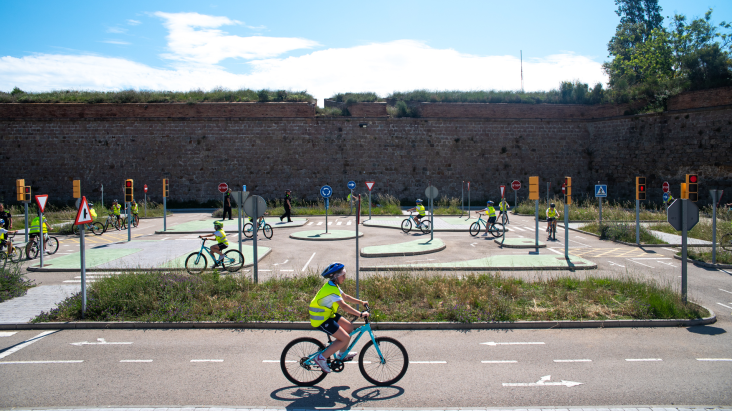
CES4Kids: Co-creation of Sustainable Mobility
City planners and mobility experts from all over the planet have a common challenge on their hands: to change the mobility habits that have been embedded in society over the last 50 years since the
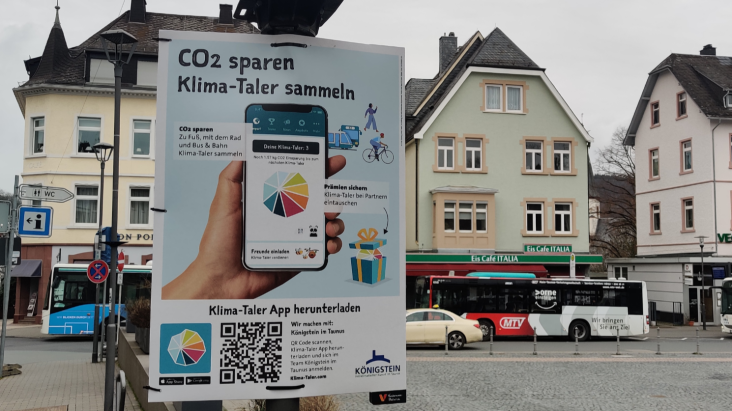
Climate Change Gamification for 9 Cities in Germany
The challenges we face in municipalities and cities
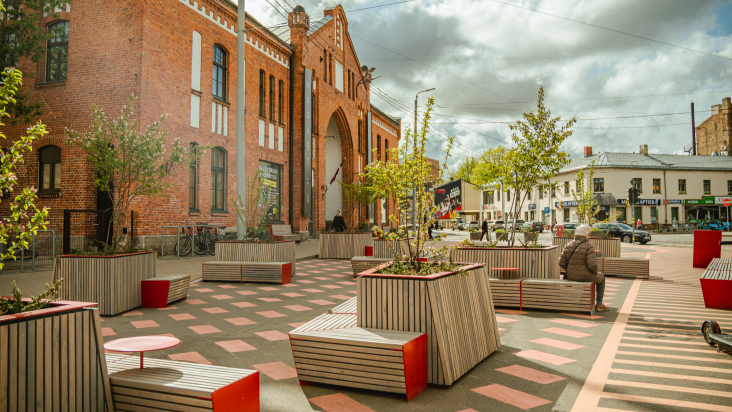
Riga: Square transformation
Reversing car-centric urban development in a historic neighbourhood

Milan, Modena and Ljubljana: Robotic assistance for safer street crossing
Road traffic injuries continue to represent a significant challenge. This places further pressure on the most vulnerable mobility groups: children, the elderly, and people with disabilities
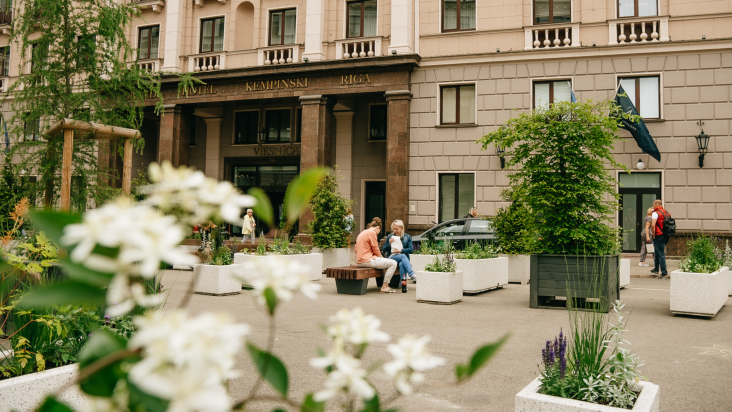
Riga: Transforming a parking lot back into a theatre square
The lack of green spaces in Riga’s city centre and the quality of public space is often mentioned by residents as one of the main things they would want to improve in the city.
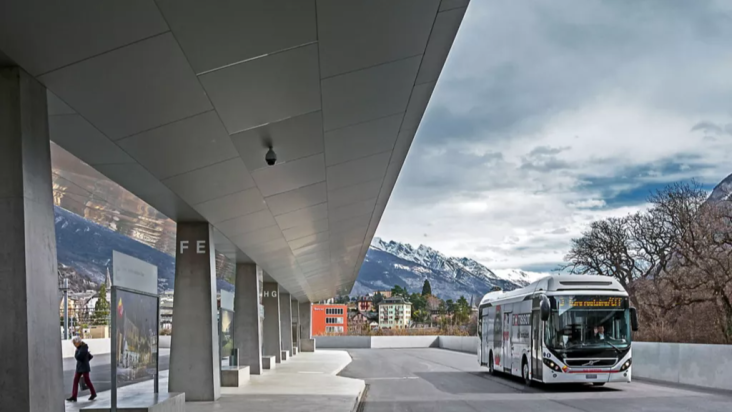
Tübingen: Boosting environmental performance of full hybrid buses
Noise pollution from vehicles remains a major environmental health problem in Europe. Full electrification will significantly reduce these emissions.
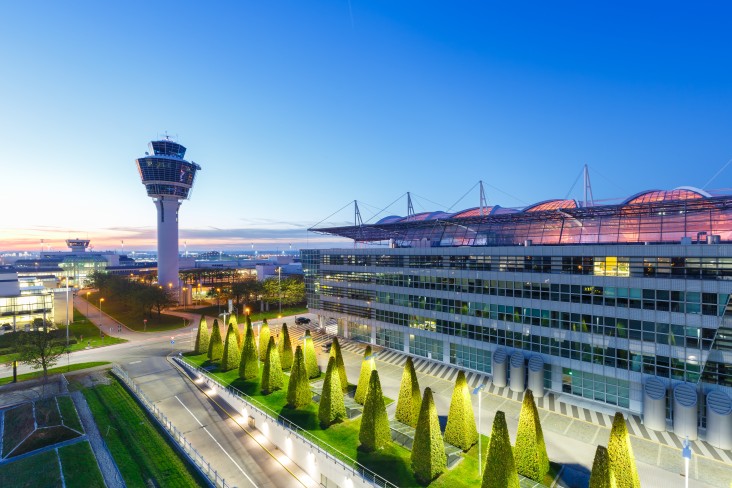
Munich airport: Unpredictable mobility patterns
Airports are hives of activity, but the passengers are only half of it.
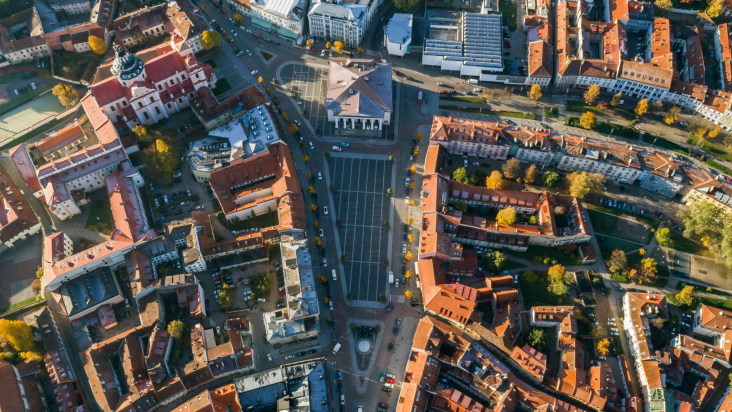
Vilnius: A step towards low pollution zones
The core of the Old Town of the city of Vilnius and the archaeological area of the old town and its suburbs are extremely important in terms of cultural heritage values (in 1994 the Vilnius Old Tow