

Wiesbaden, Germany: loading zones monitoring
The Challenge
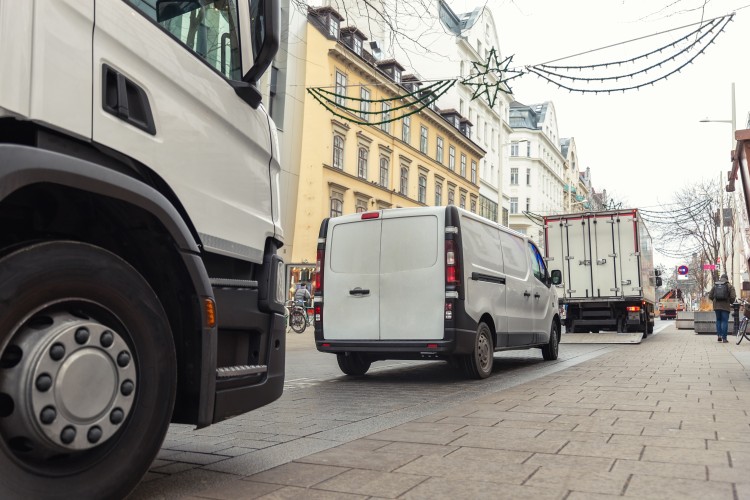
How can Wiesbaden better monitor and manage its urban loading zones to improve delivery efficiency and reduce congestion?
The city wants a pilot solution that can monitor and analyse the usage of existing loading zones accurately and comprehensively. The goal is to generate insights on user types, peak times, dwell times, turnover, and identify over- or underused zones. The solution should provide decision-support tools, such as dashboards or reports, to guide evidence-based adjustments, and potentially indicate where new loading zones could be added.
Who can apply?
The RAPTOR Open Call 2026 is open to single small and medium-sized enterprises (SMEs). Proposals must be submitted by one legal entity only; consortia are not permitted.
Applicants must:
- Qualify as an SME under the European Commission definition
- Be legally established in an EU Member State or a Horizon Europe associated country
- Propose a solution addressing one RAPTOR 2026 City Challenge
Applicants may apply to multiple city challenges, but only one project can be funded per applicant.
For full requirements, visit the website.
Background
In 2021, Wiesbaden launched a city logistics strategy to reduce air pollution, including the creation of 100 strategically located loading zones, micro hubs, and more efficient delivery practices. Since then, over 60 loading zones have been built to improve traffic flow and reduce emissions. However, the city currently lacks systematic insights into how these zones are used, by which vehicles, and during peak periods. This limits Wiesbaden’s ability to optimise or adapt the network for efficiency and compliance. The city is now seeking data-driven monitoring to evaluate the performance of existing loading zones and inform future planning decisions.