

Salzburg, Austria: increase bicycle fleet use
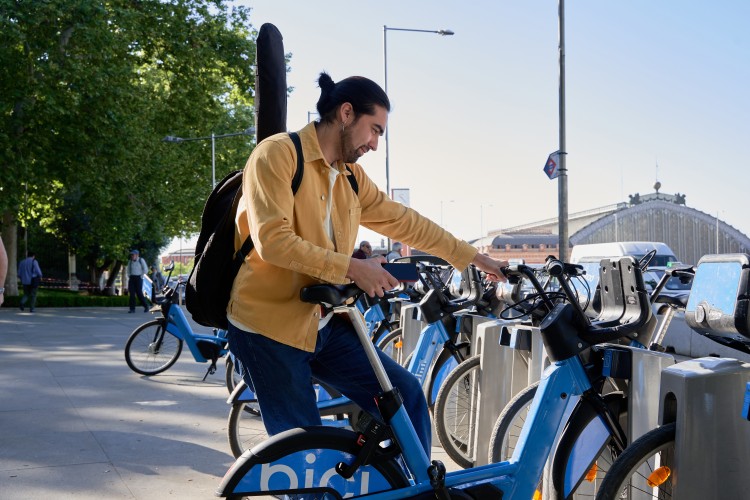
The Challenge
How can Salzburg enhance its internal shared bike mobility system to increase use across departments and support sustainable staff mobility?
The city wants to introduce a simple, user-friendly system to manage shared bicycles and cars for internal business trips. The goal is to increase usage across departments, reduce administrative effort, and encourage employees to choose low-carbon mobility options. By improving visibility, accountability, and ease of booking and reporting, the city aims to generate basic usage and CO₂ data to support its climate strategy. The solution should be scalable, future-oriented, and compatible with existing infrastructure.
Who can apply?
Who can apply?
The RAPTOR Open Call 2026 is open to single small and medium-sized enterprises (SMEs). Proposals must be submitted by one legal entity only; consortia are not permitted.
Applicants must:
- Qualify as an SME under the European Commission definition
- Be legally established in an EU Member State or a Horizon Europe associated country
- Propose a solution addressing one RAPTOR 2026 City Challenge
Applicants may apply to multiple city challenges, but only one project can be funded per applicant.
For full requirements, visit the website.
Background
The City of Salzburg operates an internal shared mobility system for employees, but it is managed in a decentralised and inefficient way using Outlook calendars. The lack of a unified booking system, clear accountability, and visibility of vehicle status leads to underuse, administrative burden, and occasional losses. Charging, maintenance, and defect reporting are handled inconsistently, with little preventive oversight. In addition, the city lacks reliable usage and impact data to link the system to its climate and mobility goals. As a result, a valuable internal mobility service is not reaching its full potential.