

Edinburgh, United Kingdom: data-driven parking management
The Challenge
How can Edinburgh use existing vehicle data effectively to implement data-driven and differentiated parking charges based on vehicle attributes?
The city aims to :
- Achieve a 5% reduction in large/heavy vehicle parking, within the current controlled parking area.
- Measure the absolute area saved by the reduction in vehicle size, in m2, on a sample street, before and after implementation.
- Reduction in the number of higher emission vehicles parking in the city centre streets.
- Reduce the processing time of parking charge calculations to the point that it is feasible to implement and enforce Pay & Display parking across various vehicle types.
Who can apply?
The RAPTOR Open Call 2026 is open to single small and medium-sized enterprises (SMEs). Proposals must be submitted by one legal entity only; consortia are not permitted.
Applicants must:
- Qualify as an SME under the European Commission definition
- Be legally established in an EU Member State or a Horizon Europe associated country
- Propose a solution addressing one RAPTOR 2026 City Challenge
Applicants may apply to multiple city challenges, but only one project can be funded per applicant.
For full requirements, visit the website.
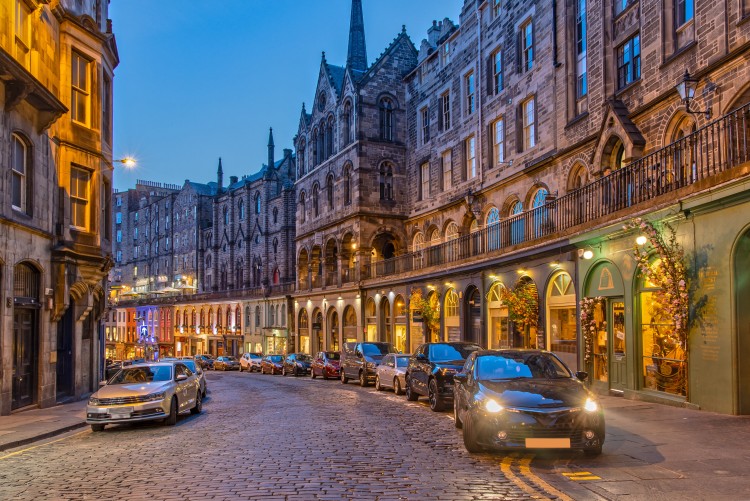
Background
Edinburgh’s historic streets are under growing pressure from large and heavy vehicles, which increase environmental impact and reduce available street space. Current parking charges do not account for vehicle size, weight, or emissions, limiting the city’s ability to encourage more sustainable travel choices. While detailed vehicle data exists within the DVLA database, it is not currently integrated into parking management systems. The city is exploring data-driven solutions to link vehicle attributes with parking enforcement systems, enabling fairer, impact-based pricing. This approach would support Edinburgh’s net-zero ambitions while protecting heritage areas and optimising urban space.