

Testing hydrogen-powered vehicles for logistics operations
Supported by EIT Urban Mobility
The Challenge
Large logistics hubs, including ports and airports, face critical barriers to decarbonisation. Battery electric vehicles struggle to meet the demands of continuous 24/7 operations: charging times of 6-8 hours are incompatible with intensive three-shift schedules, while insufficient power grid infrastructure and high peak loads make full electrification impractical for many facilities.
Industrial tow tractors handling loads up to 50 tonnes require constant availability that current battery technology simply cannot guarantee. These vehicles operate in high-intensity environments where downtime directly impacts productivity and supply chain efficiency. The challenge is particularly acute in locations like major ports and Europe's largest agri-food markets, where operations never stop and vehicles must be ready around the clock.
Replacing entire vehicle fleets demands massive capital investment, complex homologation processes and new vehicle registrations, while risking significant operational disruptions during the transition period. With EU regulations targeting 50% emission reductions by 2030, logistics operators urgently need alternative zero-emission solutions that work within existing operational and infrastructure constraints.
The Solution
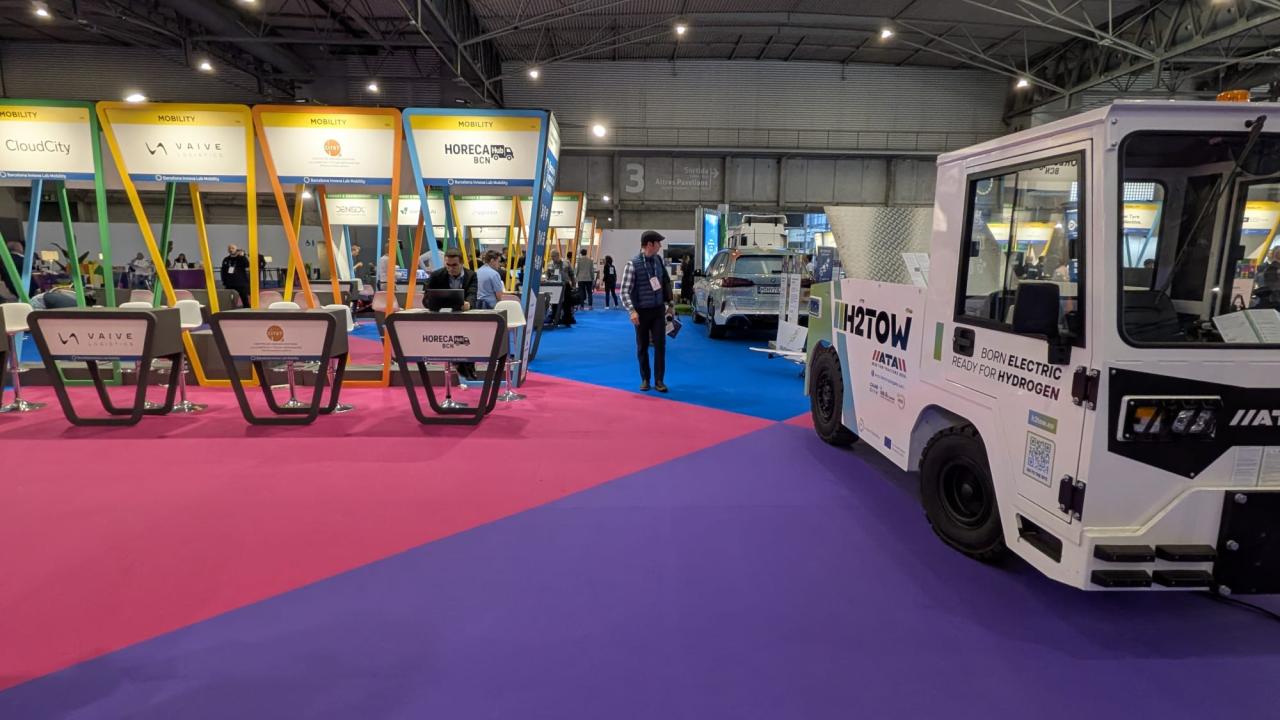
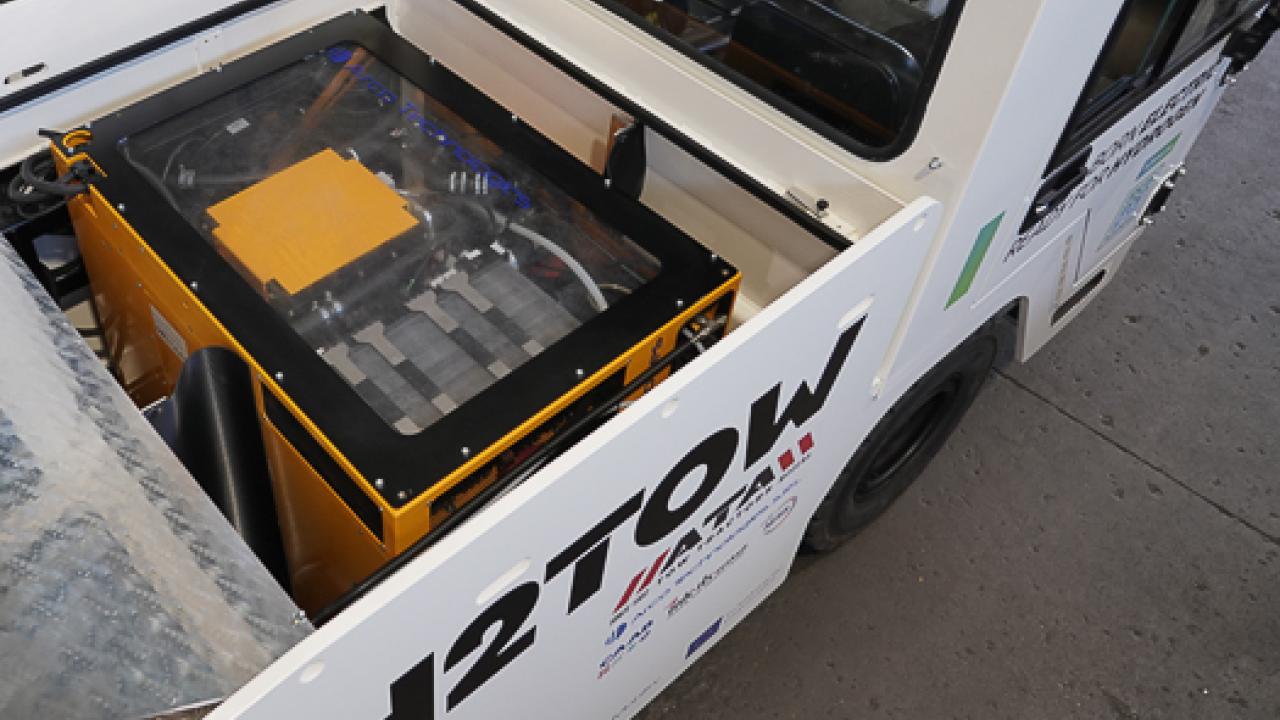
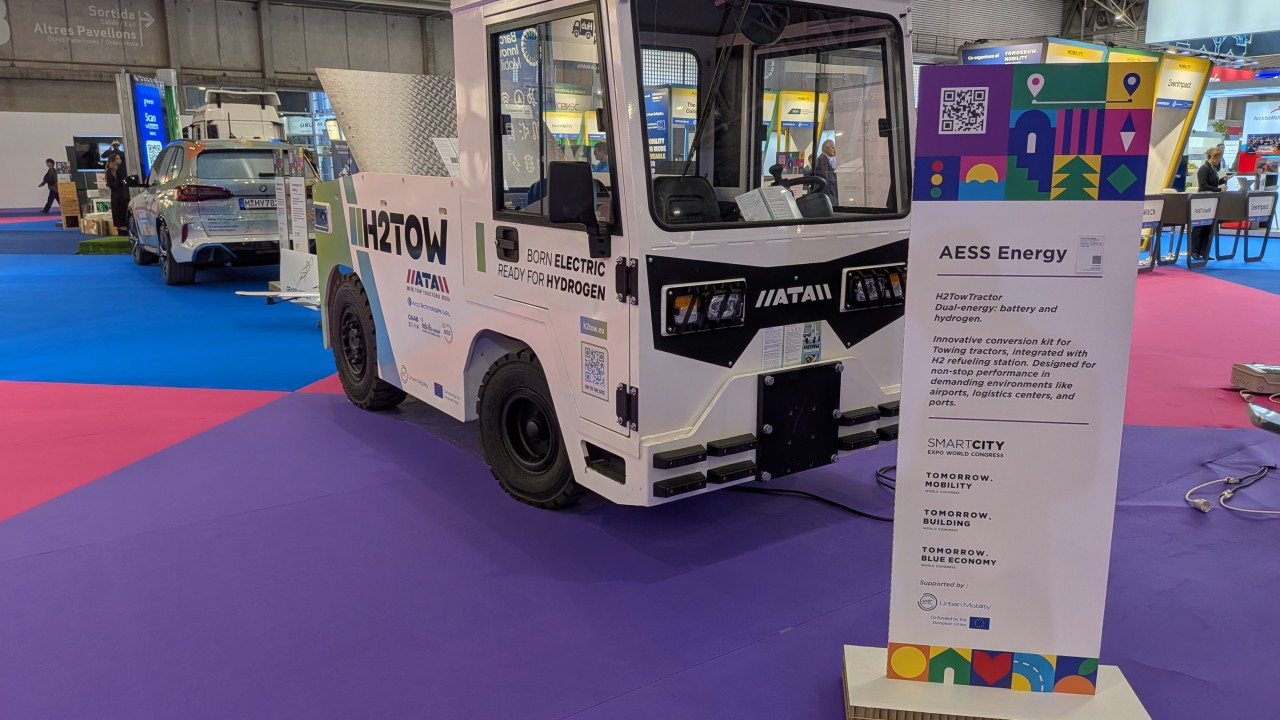
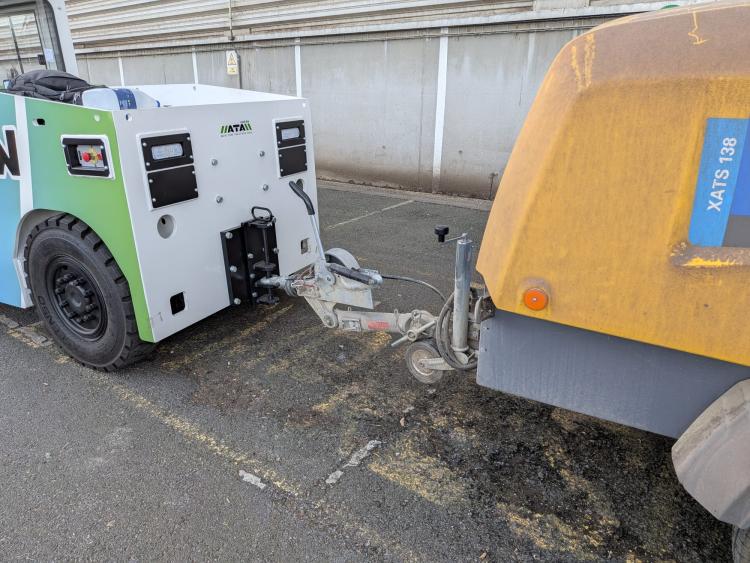
H2TowTractor introduces an innovative dual power approach to logistics decarbonisation. The project deployed a heavy-duty electric tow tractor platform that is hydrogen-ready from day one, supporting two interchangeable energy options: a standard lithium battery pack or a self-contained hydrogen retrofit module.
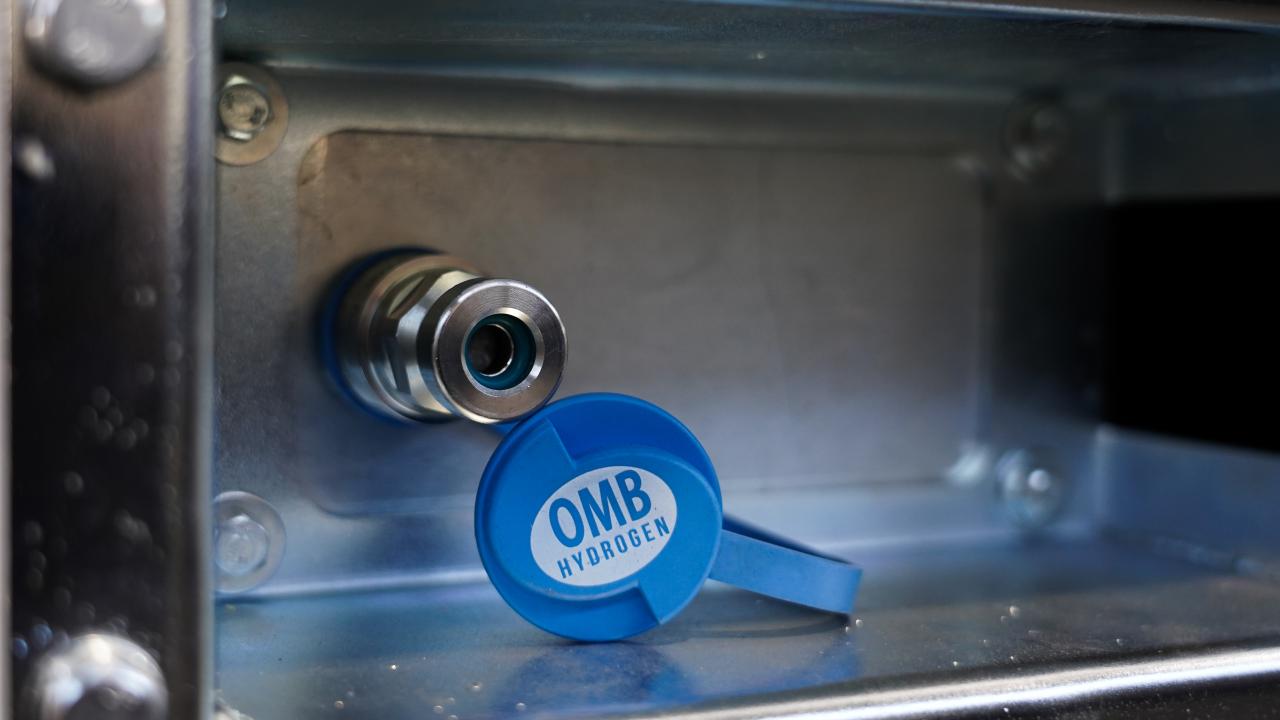
The key innovation lies in its plug-and-play design. The hydrogen module fits directly into the battery bay using the same mounting points and connectors as the original battery, making conversion simple, quick and fully reversible. This flexibility allows operators to choose the optimal power source based on operational needs without purchasing new vehicles or facing complex homologation procedures.
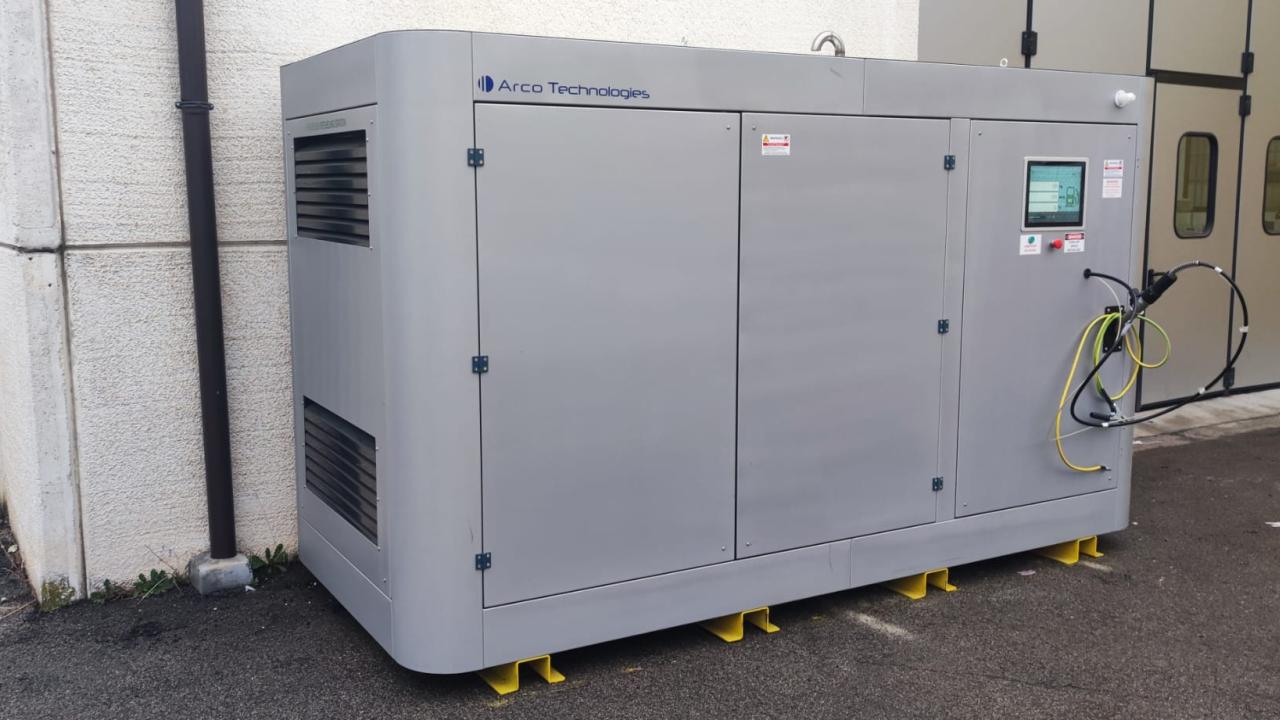
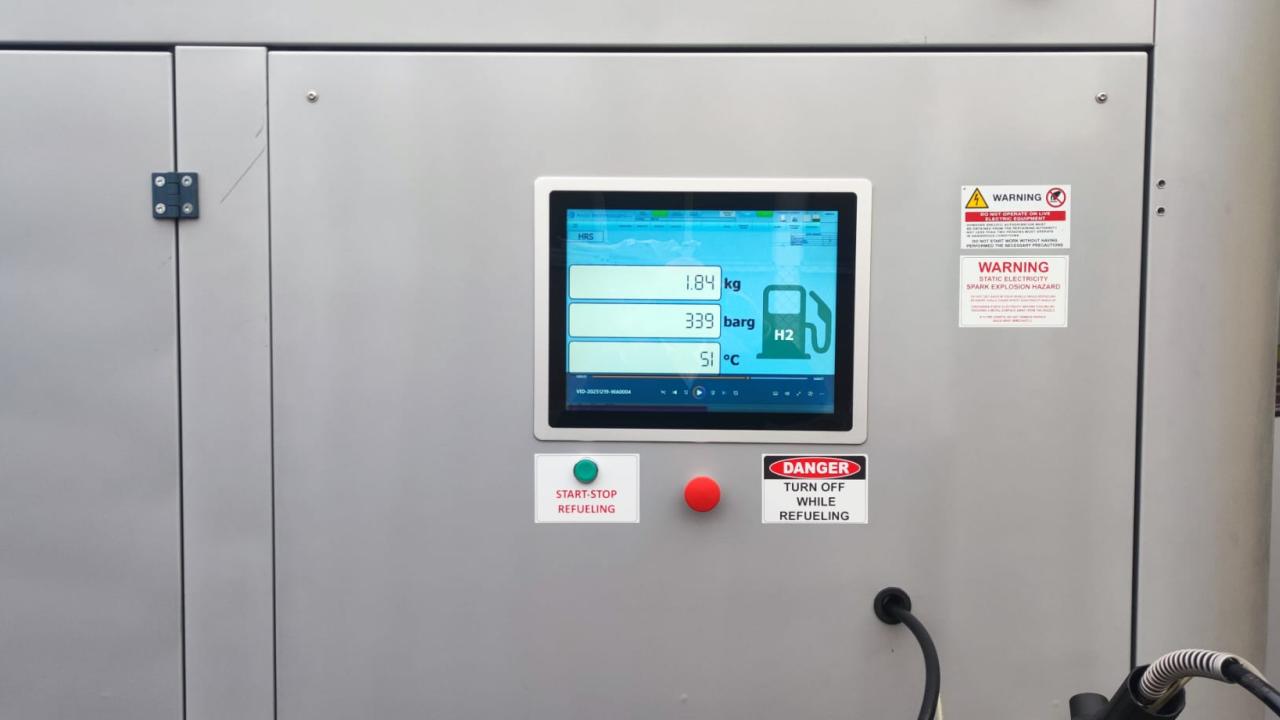
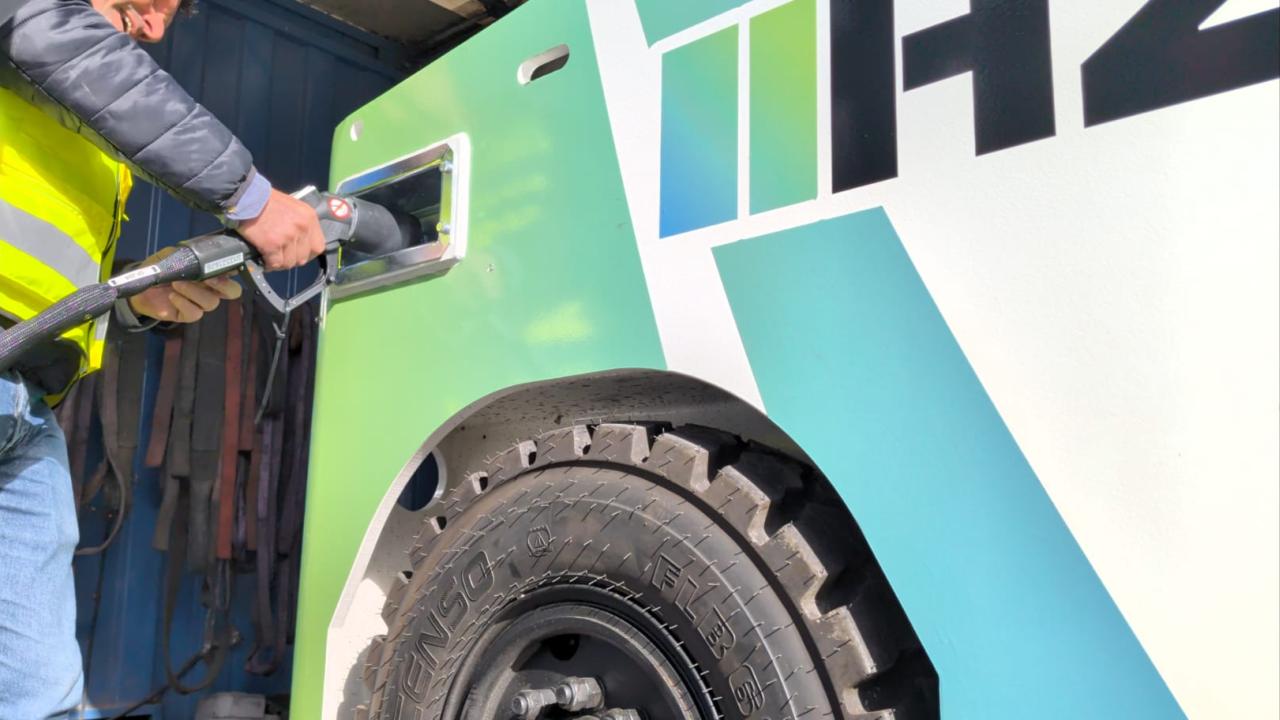
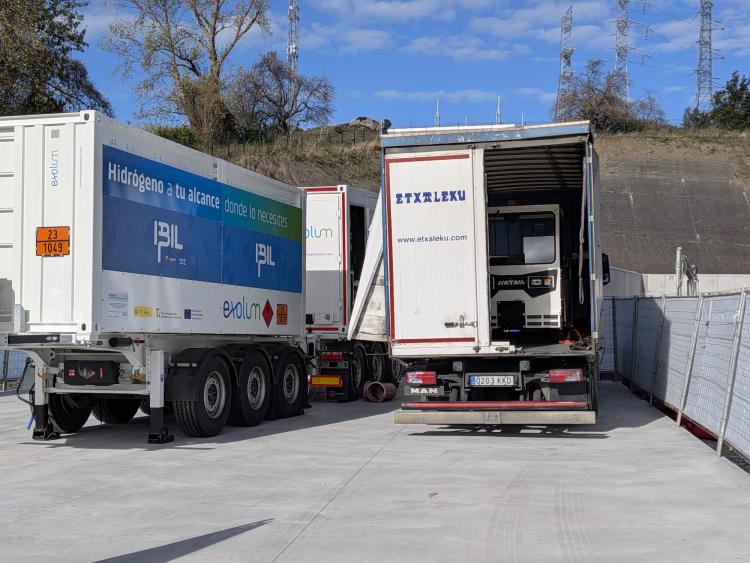
Thanks to hydrogen, vehicles can sustain continuous multishift operations in demanding environments such as ports, airports and large logistics hubs. To overcome infrastructure gaps, the project also developed a dedicated portable Light Refilling Station, sized specifically to refuel small fleets and accelerate hydrogen adoption in locations where supply networks are not yet available.
Making an impact
The H2TowTractor project proved that hydrogen technology is ready for real-world logistics operations. For the first time, a hydrogen-powered tow tractor worked alongside conventional vehicles at major European logistics hubs, completing full standard shifts without compromising productivity or safety.
The demonstrations in Bologna and Bilbao showed that the transition to hydrogen can be seamless. Operators adapted quickly to the new technology, highlighting the intuitive handling and the significant advantage of refuelling in minutes rather than waiting hours for battery charging. This operational continuity represents a breakthrough for facilities running 24/7 where downtime equals lost efficiency.
The project generated strong visibility across the industry. Presentations at Inter Airport Europe and Tomorrow Mobility attracted concrete interest from airport operators, port authorities, municipalities and logistics companies seeking viable decarbonisation pathways. H2TowTractor demonstrated that hydrogen is not a future promise but a present solution, ready for industrialisation and broader market deployment across European logistics infrastructure.
Lessons learnt
The project confirmed that user involvement is essential for technology refinement. Operator feedback during demonstrations led to concrete improvements in vehicle ergonomics, control interfaces and refuelling procedures. This iterative approach transformed initial prototypes into a solution genuinely adapted to real working conditions, proving that early engagement with end-users accelerates both acceptance and product quality.
A key learning emerged around infrastructure timing. While hydrogen supply networks remain limited, major ports like Bilbao are already investing in hydrogen production and distribution systems. These initiatives, although still in preliminary stages, are creating the foundational ecosystem that will enable widespread adoption of hydrogen-powered logistics vehicles in the coming years.
The project also demonstrated that success depends on building local partnerships. Collaboration with terminal operators, energy providers and public authorities proved essential to navigate regulatory requirements and secure operational support. This multi-stakeholder model offers a replicable blueprint for other logistics hubs seeking practical decarbonisation pathways across Europe.