

Re-engineering battery lifecycles for circular micromobility
Supported by EIT Urban Mobility
The Challenge
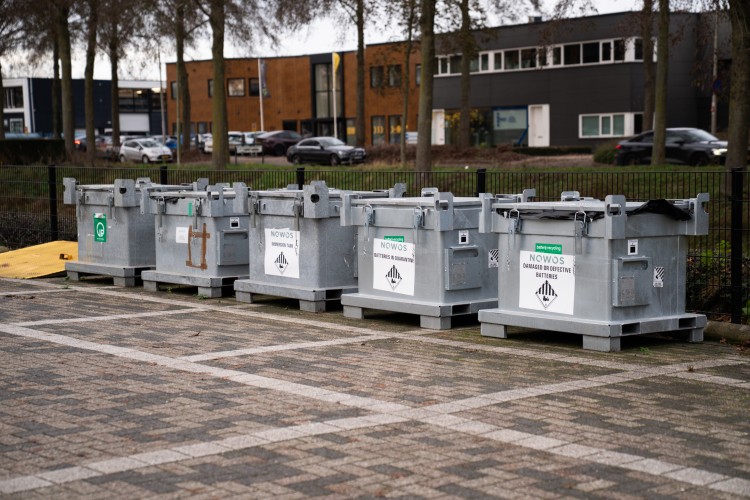
Urban micromobility faces a growing environmental and economic challenge driven by the linear disposal of Lithium-ion batteries. In cities around Europe, large volumes of batteries from shared fleets are discarded each year, generating a significant carbon footprint and wasting valuable raw materials. This project addresses the issue by moving beyond conventional recycling approaches to establish a high-volume battery repair line, targeting an 80% recovery rate, while ensuring full compliance with the EU Battery Regulation (2023/1542) through a dedicated digital tracking system, the battery passport.
Today, entire battery packs are often scrapped due to minor component failures or superficial casing damage, despite most cells remaining healthy, making the practice inefficient and costly for the micromobility industry.
The Solution
The project focused on two critical aspects, digital tracking and physical life-extension by restoring modular battery components. The aim was to prove that a scalable, economically viable repair process can align the interests of Original Equipment Manufacturers (OEMs), fleet operators and repair partners preventing premature recycling and extending battery lifespans at scale.
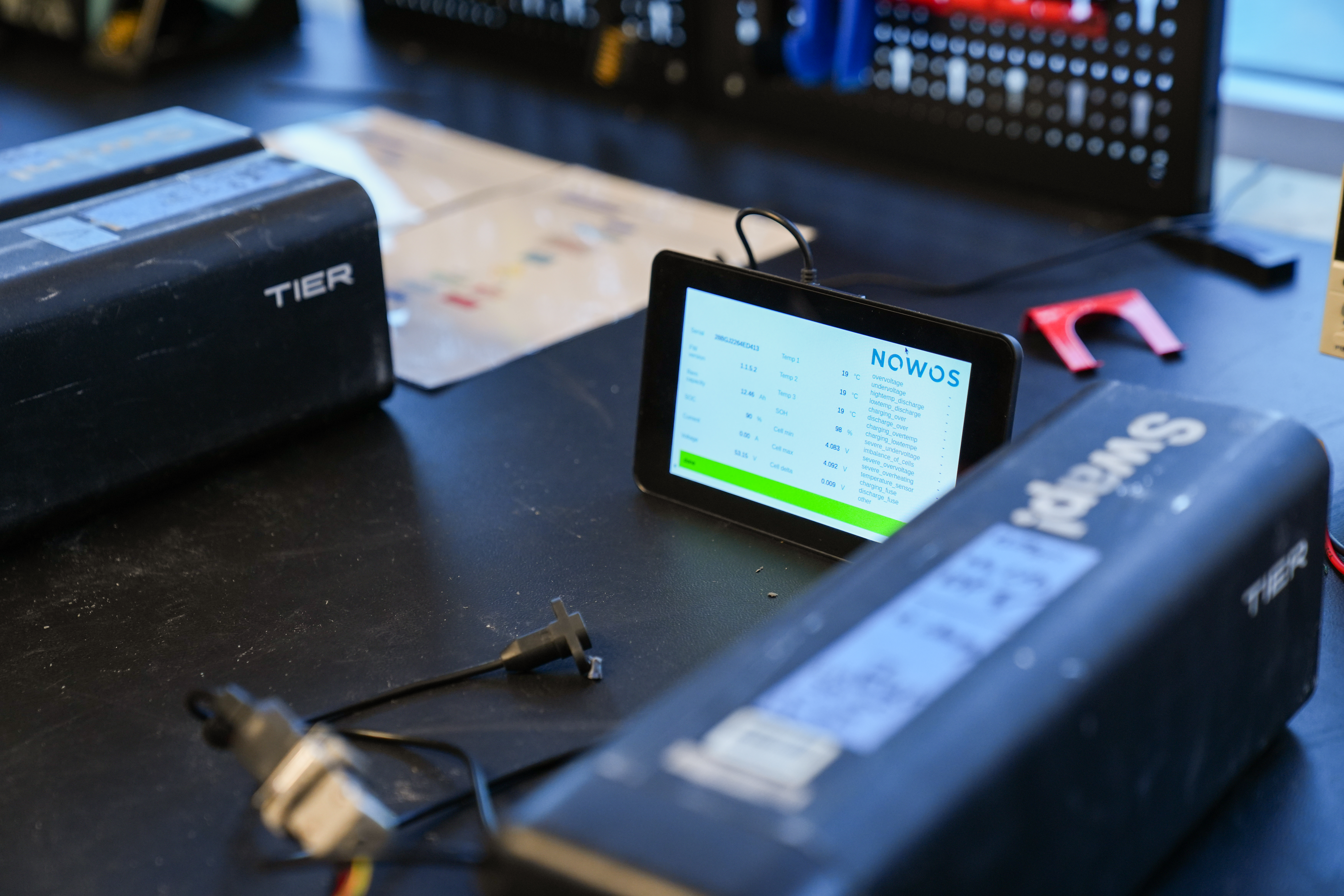
Nowos developed a digital Battery Passport integrated into their industrial repair workflow using a 3rd-party platform. This system creates a digital twin for each battery, tracking its technical history, state of health (SOH) and service logs. Dott supported this by providing the fleet hardware and real-world usage data to validate the passport's accuracy and lifecycle tracking capabilities.
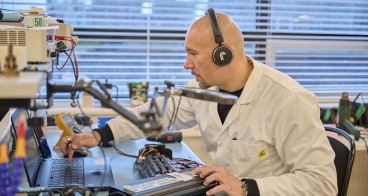
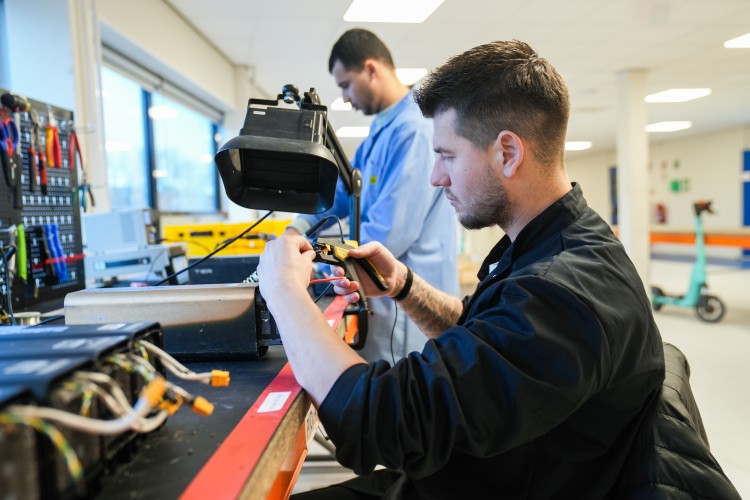
The consortium also worked on improving battery repair processes at Nowos’s industrial hubs, processing a total of more than 2000 batteries from Dott’s urban fleet. The scope covered thousands of batteries from Dott’s fleet, specifically targeting the Ninebot C1/A200 batteries but also OKAI E400A models. The pilot demonstrated a high-throughput repair line where units are triaged, repaired and safety-certified at scale, moving modular battery maintenance from an individualised 100% manual process to a scalable process with semi-automated diagnosis, sensitive repair steps and quality/functional control steps.
Making an impact
The project demonstrated that industrial-scale modular battery repair is not only technically feasible, but economically and environmentally impactful. Through its Industrial Modular Repair Service, Nowos enabled the non-destructive opening and resealing of battery packs, deep-discharge recovery and end-of-line testing for Ninebot batteries - ensuring that repaired units returned safely to service without compromising their original UN 38.3 certification. This approach directly addressed the root causes of premature battery disposal by restoring functionality at the component level rather than scrapping entire packs.
The results showed measurable benefits across the value chain. Certified repair delivered a 30% cost reduction compared to purchasing new OEM batteries, creating a strong economic incentive for fleet operators and OEMs alike. The project diverted 500 batteries from premature disposal, significantly reducing material waste and associated emissions, while 1,000 batteries were successfully integrated into the Battery Passport system, strengthening regulatory compliance and traceability. Beyond environmental gains, the initiative supported regional economic development, with a new repair centre planned to open in 2026, 20 new local jobs will be created, demonstrating that circular battery repair can scale as a sustainable industrial activity.
Lessons learnt
The pilot confirmed that modular battery repair can be successfully embedded into day-to-day operations when supported by industrial processes and OEM-aligned standards. The modular repair approach has now become a permanent operational standard at Nowos hubs servicing Dott batteries, and Dott has integrated this service into its long-term maintenance strategy. This demonstrates that life-extension through certified repair is not a one-off pilot activity, but a viable and scalable alternative to battery replacement. The collaboration also highlighted the potential to transfer these modular techniques to other micromobility platforms and to inform the design of next-generation vehicles with repairability built in from the outset.
From an operational perspective, the pilot underlined the importance of regulatory alignment, skilled local labour and purpose-built infrastructure. Scaling modular repair requires early engagement with local authorities, as permitting and site adaptation are critical path items. Based on these insights, the next step is to establish a permanent high-volume repair line in the new Nowos repair hub in Poland. Continued technical development will focus on three key areas: extending repair capabilities to increase recovery rates, deeper data integration into the Nowos ERP system for enhanced end-of-line testing and traceability, and further optimisation of the non-destructive casing extraction process