

Proactive fatigue detection for public transport drivers
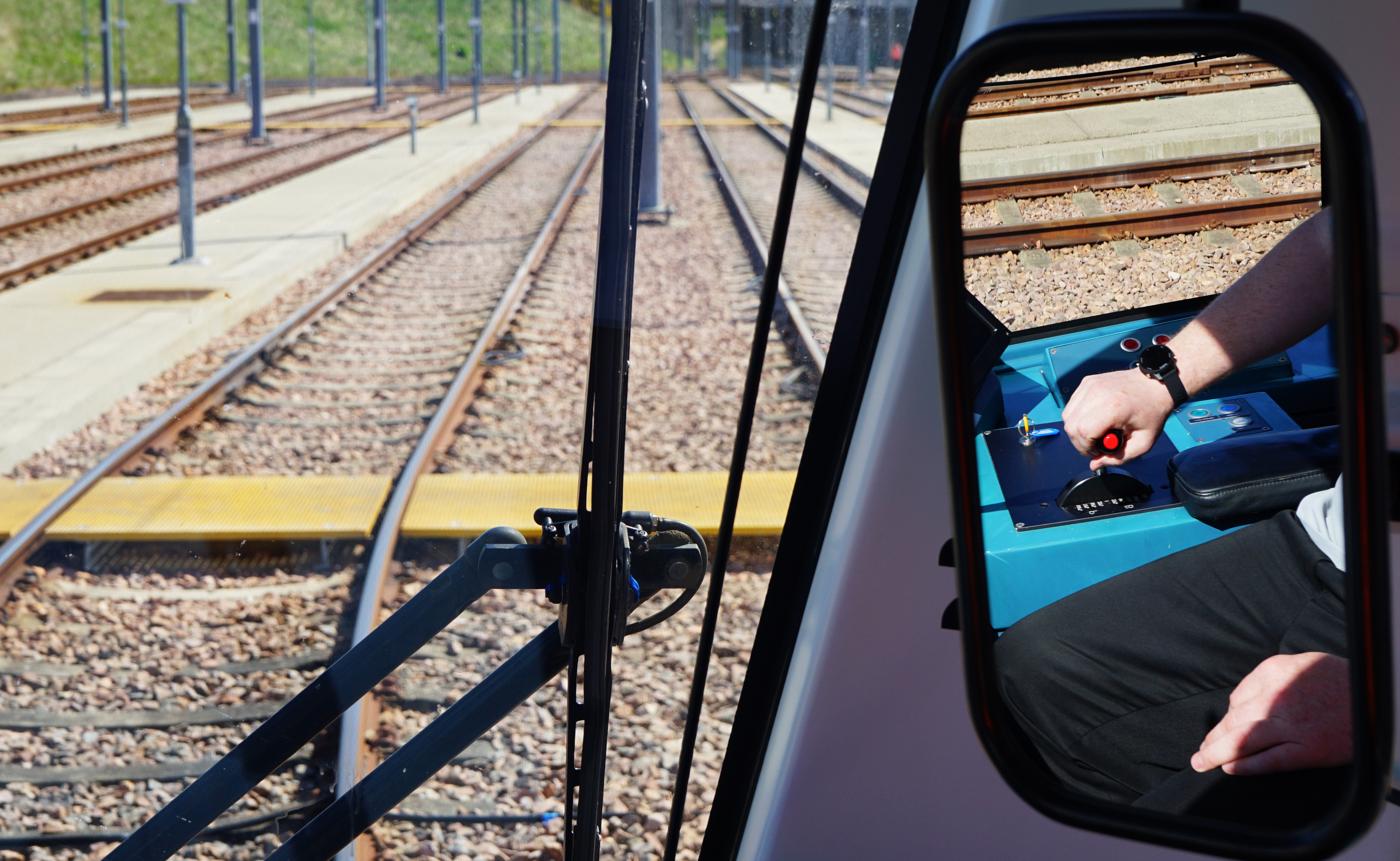
BaselineNC™ Workplace Fatigue Monitoring Wearable at Edinburgh Trams Used by Tram Driver
Supported by EIT Urban Mobility
The Challenge
The project was carried out in two European cities: Edinburgh and Debrecen.
Edinburgh, the capital of Scotland has a population of 477,000 inhabitants, which can double during the peak tourist season. The City of Edinburgh Council is adopting the safe systems approach, which recognises that humans make mistakes, to target zero road fatalities by 2030. The pilot of the preventative safety measure in Edinburgh aligned with this approach. The Edinburgh pilot focussed exclusively on fatigue monitoring in tram operations through the pilot partner Edinburgh Trams, the ownership of which ultimately rests with the City of Edinburgh Council.
Debrecen is Hungary’s second city with a humid continental climate featuring large seasonal temperature differences (cold, snowy winters and warm, humid summers). It is a university city with a population of around 330,000. It is currently experiencing a period of unprecedented growth with 3 new industrial parks attracting significant investment and generating employment and associated commuting from neighbouring areas and beyond. The Debrecen SUMP highlights the support for pilot projects which prepare for the application of the transport technologies of the future, such as this innovative device. The pilot in Debrecen was carried out in DKV Zrt, a public transport operator owned by the City of Debrecen. Pilot participants included drivers of trams, buses and trolleybuses and control room staff.
The Solution
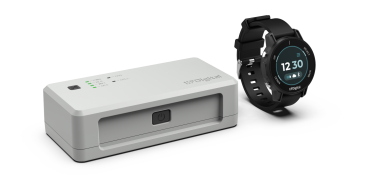
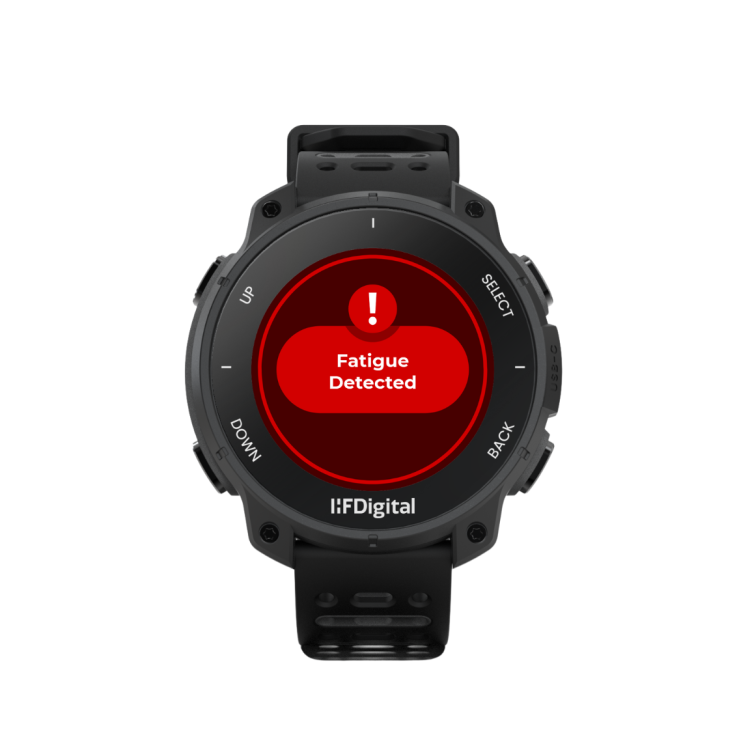
The BaselineNC wearable technology is a proactive safety system which detects reduced physiological performance amongst drivers. It does this by continuously monitoring biometric data throughout a shift and using an intelligent, personalised algorithm trained to each drivers' baseline measurements, to provide real-time alerts to the driver and their control room or supervisor.
The pilot in Edinburgh was carried out with Edinburgh Trams which operates a modern Tram way launched in 2011 and currently comprises a single 18.5 km line. The tram line comprises a long section of segregated track to the west of the city operating in a busy mixed traffic environment. The pilot had 20 users, primarily tram drivers but also included other operational staff. The device was used by pilot participants to monitor their levels of fatigue based on biometric readings and compared to a preestablished personalised baseline condition. Any significant variations generated live alerts to the user via their wearable device and to control room staff through a dashboard providing a means for the organisation to proactively manage safety and driver well-being.
The pilot in Debrecen was delivered through DKV Zrt who operates an integrated system of trams, trolleybuses and busses. This includes two tram lines connecting the city centre with the university and residential areas, 5 trolley bus routes in the city and a network of over 50 bus routes providing services into the Debrecen suburbs.
Making an impact
The project aims to contribute to green, safe and inclusive mobility solutions by reducing the risk of fatigue related incidents in public transport systems, including the risk of serious crashes. The pilot sites are expected to build the evidence base for the device in a live operational environment along with recommendation for user acceptance and operational adoption.
The Baseline NC wearable fatigue monitoring device was used by pilot participants to monitor their levels of fatigue based on biometric readings and compared to a preestablished personalised baseline condition. Any significant variations generated live alerts to support the organisation to proactively manage safety and driver well-being.
Each of the wearable devices collected data on the users’ heart rate, oxygen saturation, skin temperature, galvanic skin response and their movement and activity. Additional data collected was time of day and GPS location both of which contribute to analysis to better understand fatigue ‘hotspots’. In addition, DKV collected data from users of their feedback following a red alert whilst ENU collected the research data relating to user experience from interviews and surveys. Device training was completed for 100% of users and over 80% of users were using the device correctly. System connectivity and cellular coverage was monitored and was active for over 90% of user journeys and the data received provided the relevant metrics for the necessary calculations.
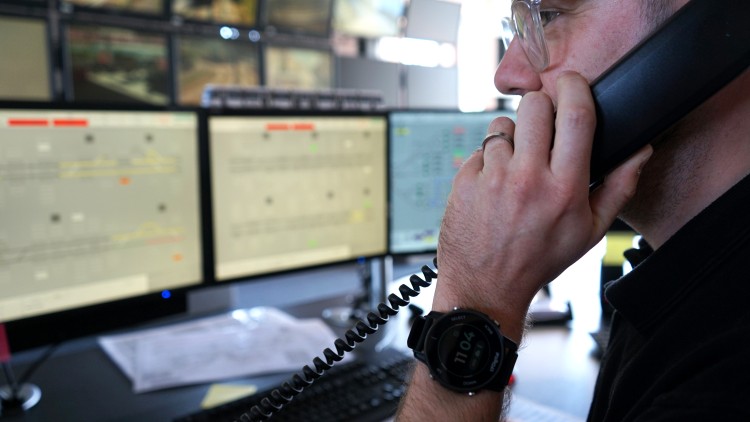
BaselineNC™ Workplace Fatigue Monitoring Wearable at Edinburgh Trams Used by Control Room Operator
Lessons learnt
The BaselineNC pilot demonstrated strong potential to enhance worker safety, situational awareness, and proactive fatigue management. Overall user feedback was positive, and the trial confirmed that real time biometric insights can meaningfully support safer operations. The deployment also revealed several important lessons that will guide future scaling and optimisation.
A key learning was the importance of comprehensive user training before and during go-live. Early training significantly improved user confidence, reduced operational disruptions, and ensured correct device operation from day one. Additionally, the project highlighted the need to update operational procedures early so that fatigue alerts are managed consistently. Clear workflows for alert handling, escalation, and documentation proved essential for smooth integration into daily operations. From a hardware perspective, some users expressed that carrying a separate hub device was inconvenient. The pilot showed that direct mobile app connectivity, where feasible, is a more user friendly and efficient approach. This insight will shape future device selection and system design.
The trial's success demonstrates clear potential for replication. With refined training programmes, early SOP alignment, app connectivity and a scalable technical architecture, the approach can be efficiently deployed across additional operational environments. Collectively, these learnings provide a strong foundation for future deployments.
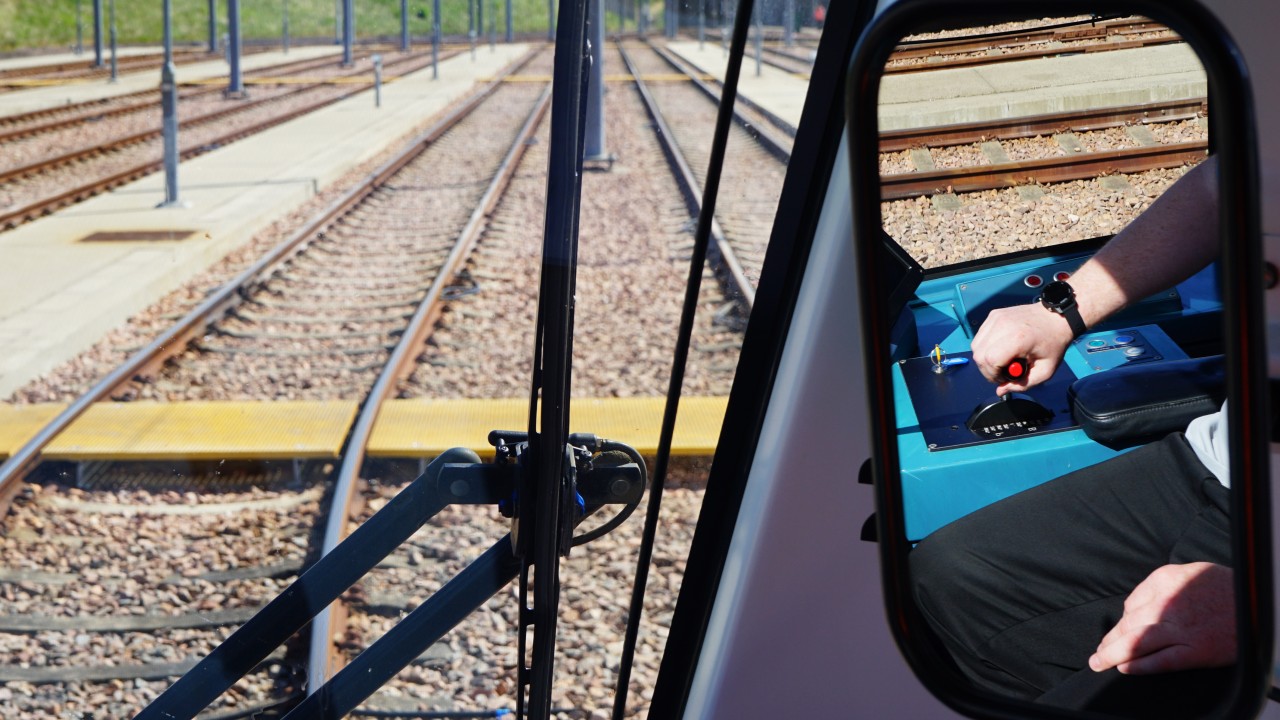
BaselineNC™ Workplace Fatigue Monitoring Wearable at Edinburgh Trams Used by Tram Driver
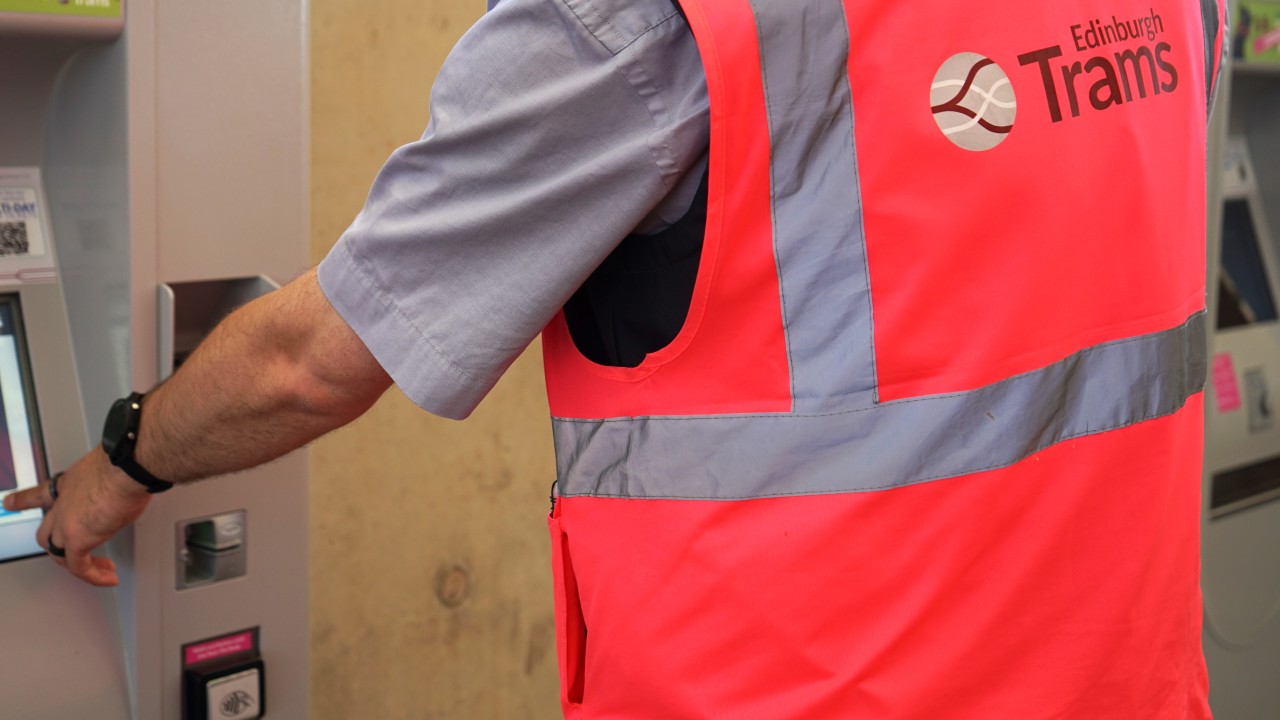
BaselineNC™ Workplace Fatigue Monitoring Wearable at Edinburgh Trams Used by Operator

BaselineNC™ Workplace Fatigue Monitoring Wearable at Edinburgh Trams Used by Operator
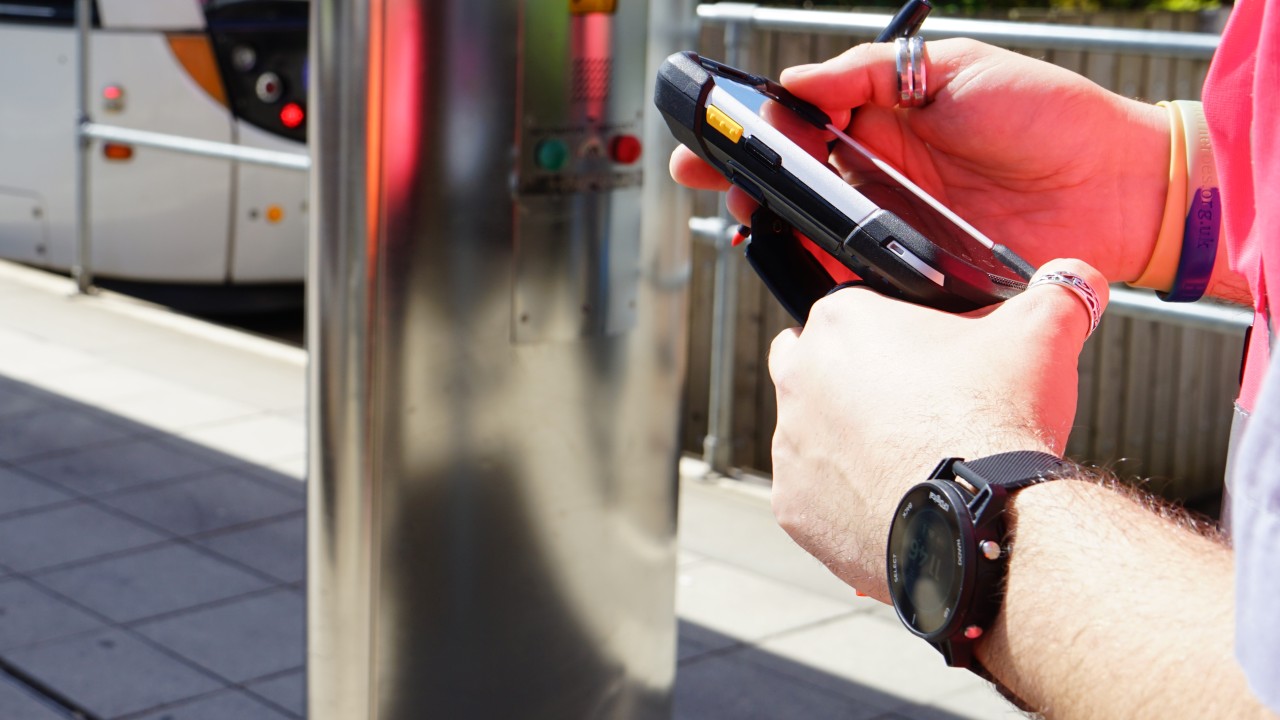
BaselineNC™ Workplace Fatigue Monitoring Wearable at Edinburgh Trams Used by Operator
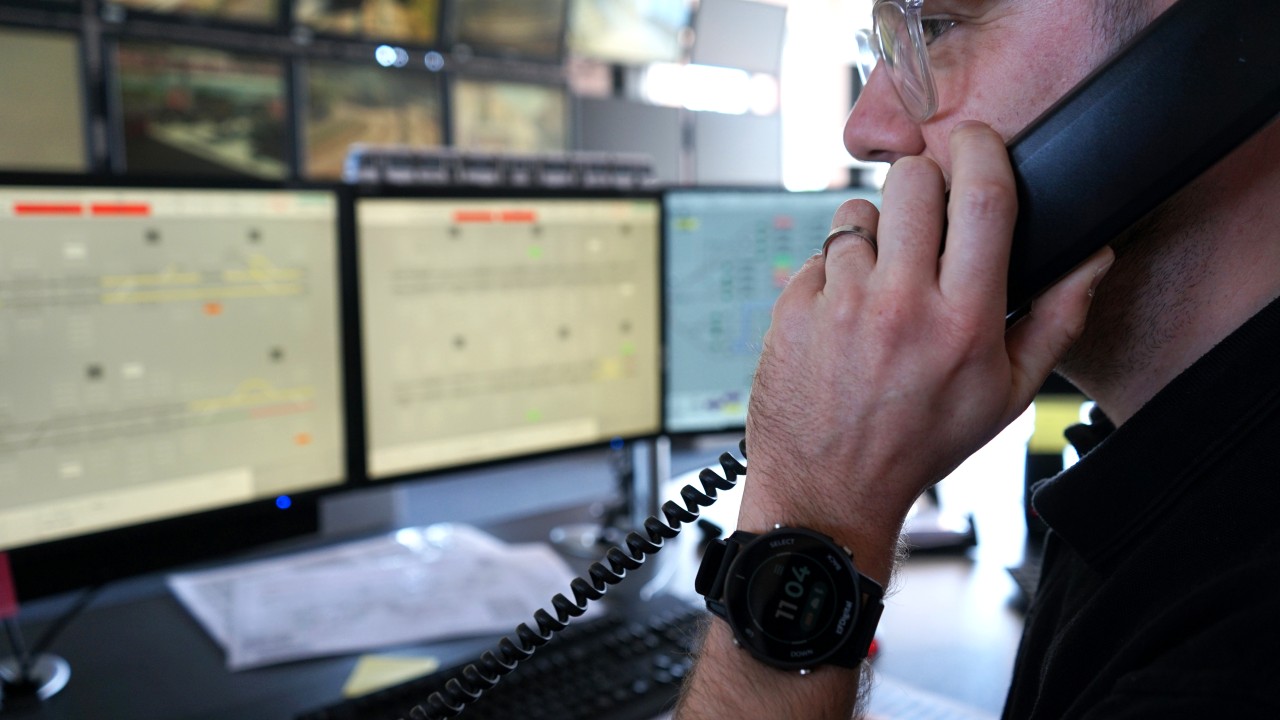
BaselineNC™ Workplace Fatigue Monitoring Wearable at Edinburgh Trams Used by Control Room Operator
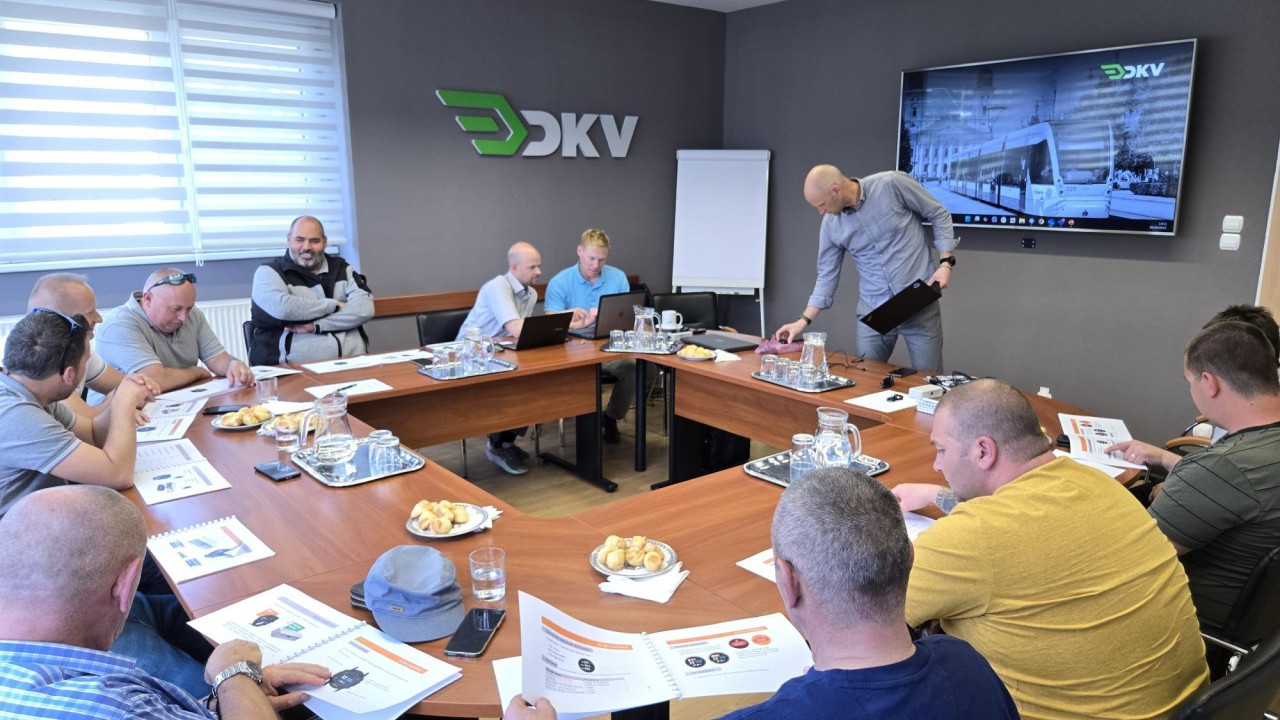
DKV Launch Workplace Fatigue Monitoring Wearable Pilot With Tram Drivers in Debrecen, Hungary
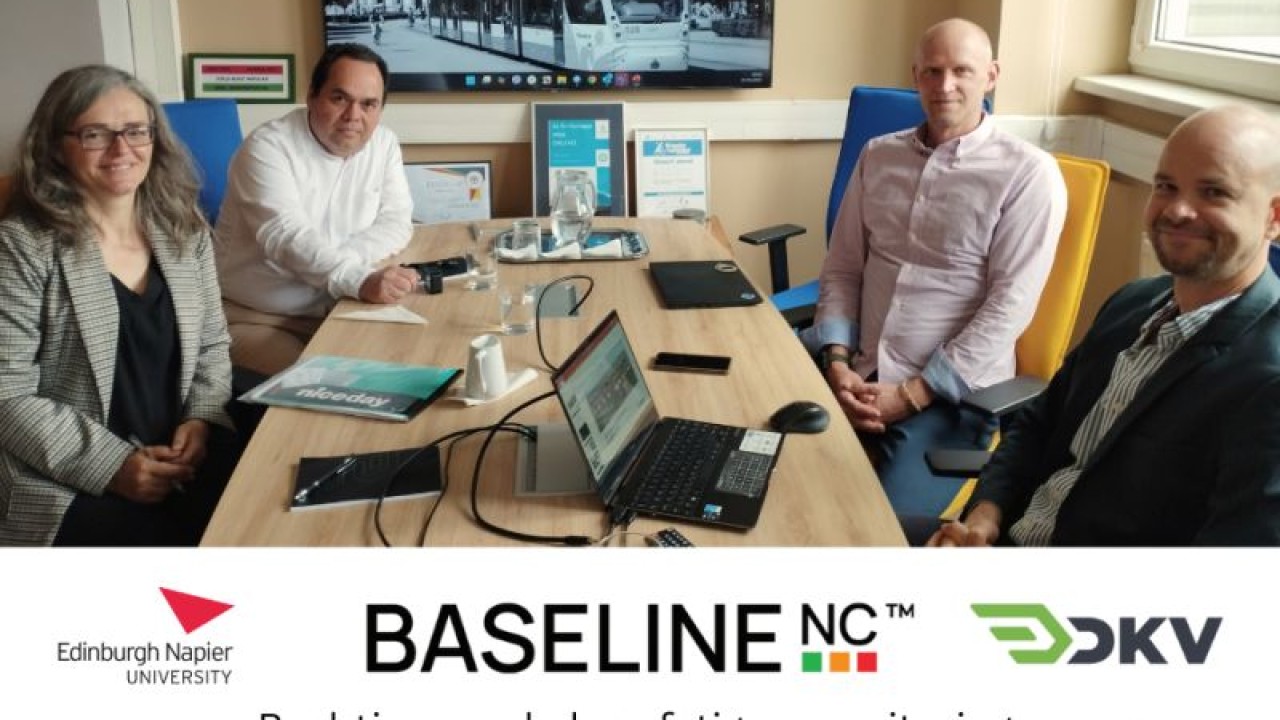
Edinburgh Napier University Researchers Visit DKV in Debrecen, Hungary to Observe How BaselineNC™ Workplace Fatigue Monitoring Wearable Devices Have Been Integrated Into Daily Operations
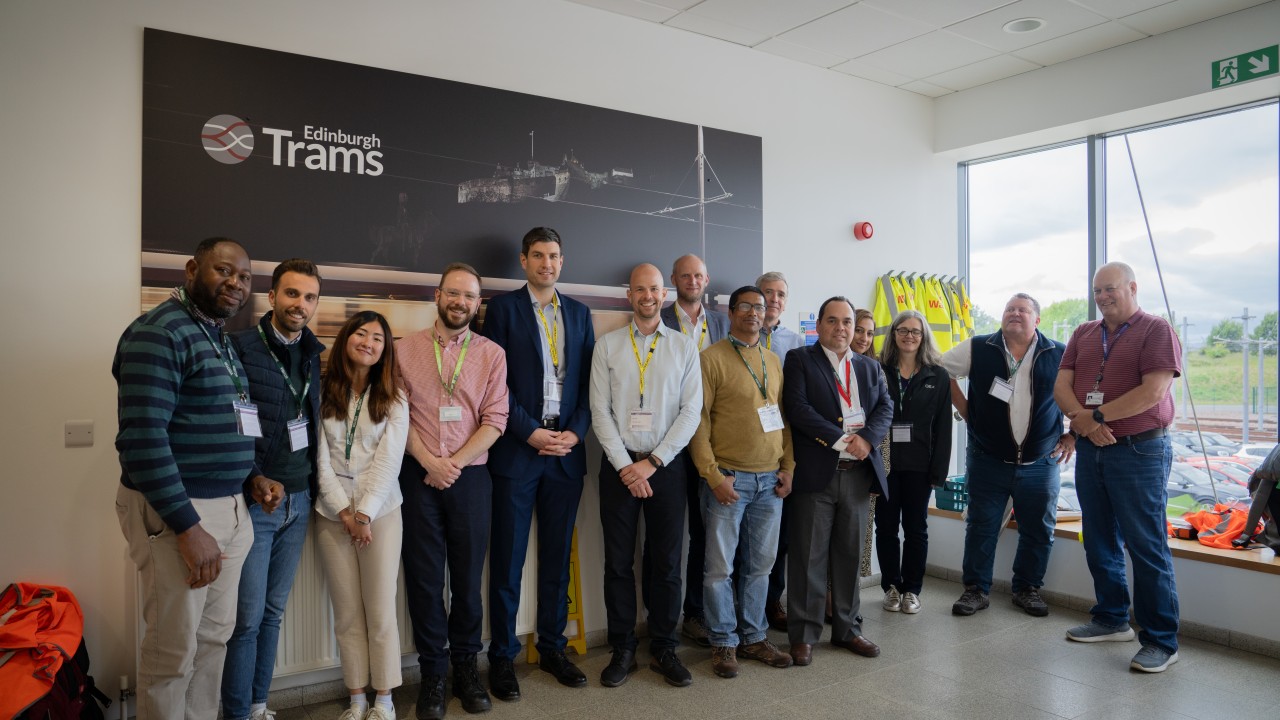
EIT Urban Mobility BaselineNC™ Consortium Meeting 2025
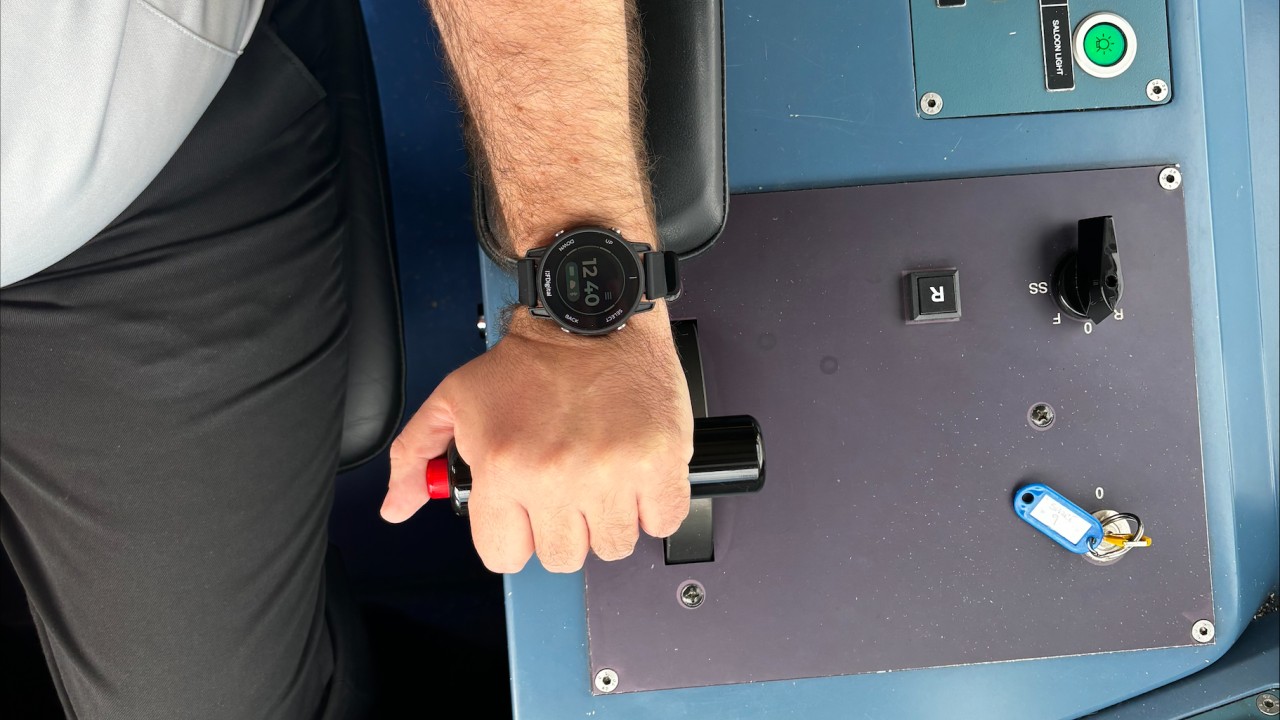
In Tram Visual
BaselineNC™ Workplace Fatigue Monitoring Wearable at Edinburgh Trams Used by Tram Driver
BaselineNC™ Workplace Fatigue Monitoring Wearable at Edinburgh Trams Used by Operator
BaselineNC™ Workplace Fatigue Monitoring Wearable at Edinburgh Trams Used by Operator
BaselineNC™ Workplace Fatigue Monitoring Wearable at Edinburgh Trams Used by Operator
BaselineNC™ Workplace Fatigue Monitoring Wearable at Edinburgh Trams Used by Control Room Operator
DKV Launch Workplace Fatigue Monitoring Wearable Pilot With Tram Drivers in Debrecen, Hungary
Edinburgh Napier University Researchers Visit DKV in Debrecen, Hungary to Observe How BaselineNC™ Workplace Fatigue Monitoring Wearable Devices Have Been Integrated Into Daily Operations
EIT Urban Mobility BaselineNC™ Consortium Meeting 2025
In Tram Visual