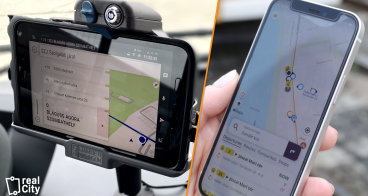


Integrated monitoring for mixed electric bus operations in Lisbon
Supported by EIT Urban Mobility
The Challenge
Before IMPULSE+, Carris had already tested a first version of the platform during the IMPULSE project, which successfully demonstrated how real-time battery monitoring and energy predictions could support electric bus operations. However, the pilot also made it clear that the system’s effectiveness was limited by the quality and completeness of the available data. Only part of the fleet could be monitored, charging information was not accessible and several key operational updates were missing or too fragmented to support confident decision-making.
At the same time, Carris’ electric fleet continued to grow, introducing vehicles from additional manufacturers. This created a new challenge: how to maintain a consistent operational overview when information was scattered across separate platforms. Without better integrations, dispatchers were often left working with partial insights, manually checking multiple data sources or relying on informal communication to determine whether a bus could complete its duty or whether a charger was functioning as expected.
IMPULSE+ was designed to address these gaps by focusing on the areas where the first pilot had reached its limits - expanding fleet coverage, improving data richness and incorporating charging infrastructure.
The Solution
The goal was not to redesign the system from scratch, but to provide the missing components needed to make electric fleet management more reliable and adaptable as the operator transitions toward a more diverse and complex e-bus environment. IMPULSE+ enhanced the existing platform by adding new functions that provide traffic controllers and depot managers with clearer insight into mixed electric fleets and charging processes. The solution integrated two new data sources: battery data from an additional vehicle type and charger information from the depot infrastructure, allowing battery status to be monitored consistently across different fleet types.
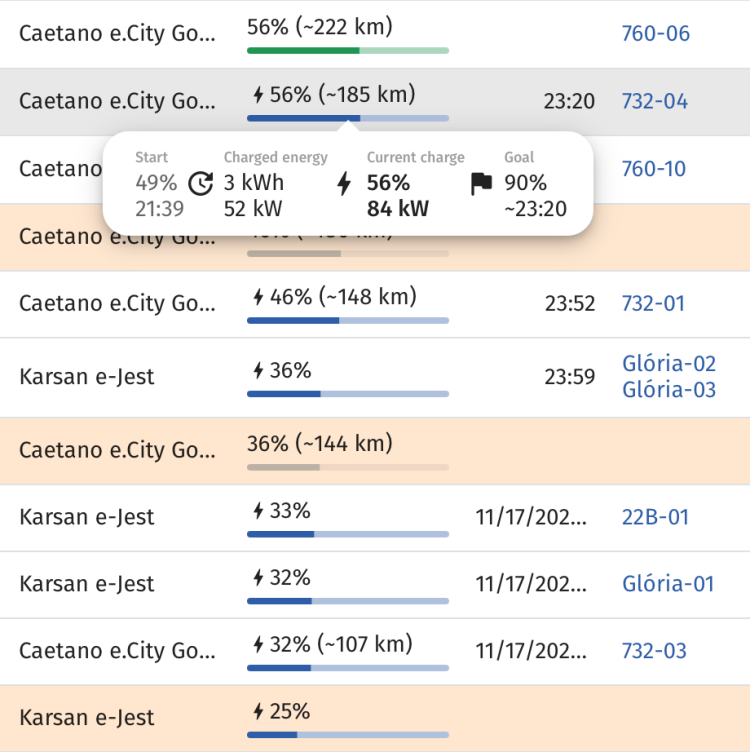
A dedicated fleet view enables dispatchers to review vehicle assignments per depot and quickly identify which electric buses are ready for service and which require attention. Charging infrastructure was also integrated, allowing controllers to see whether a vehicle is connected, charging normally or experiencing issues. New notifications highlight charger errors, while a prediction model estimates the expected time for a vehicle to reach full charge.
The pilot in Lisbon demonstrated the platform’s ability to integrate new and heterogeneous data sources without major software modifications. By combining vehicle and charging information in a single interface, the system provides dispatchers with a clearer operational overview and supports more reliable fleet management.
Making an impact
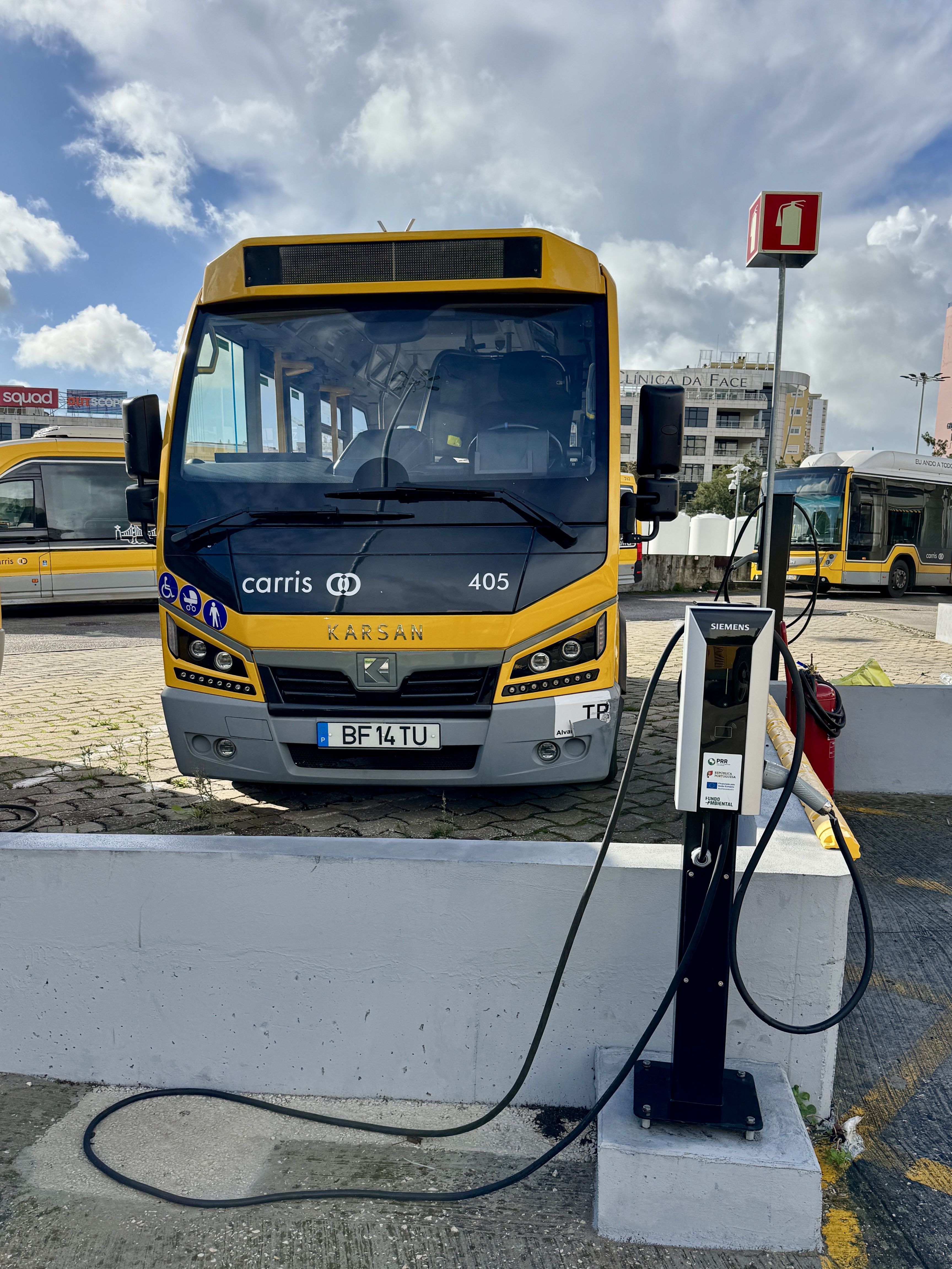
A fleet of up to 14 KARSAN minibuses were available for integration into the platform. The IMPULSE+ pilot strengthened the daily operational workflow of Carris by giving dispatchers and controllers clearer, more dependable information about their electric fleet. With the new screens for vehicle assignment per depot, staff could review the status of vehicles more quickly and select appropriate buses with greater confidence. The inclusion of charger-related notifications helped controllers detect issues earlier - such as vehicles connected but not charging - reducing uncertainty during busy operational periods.
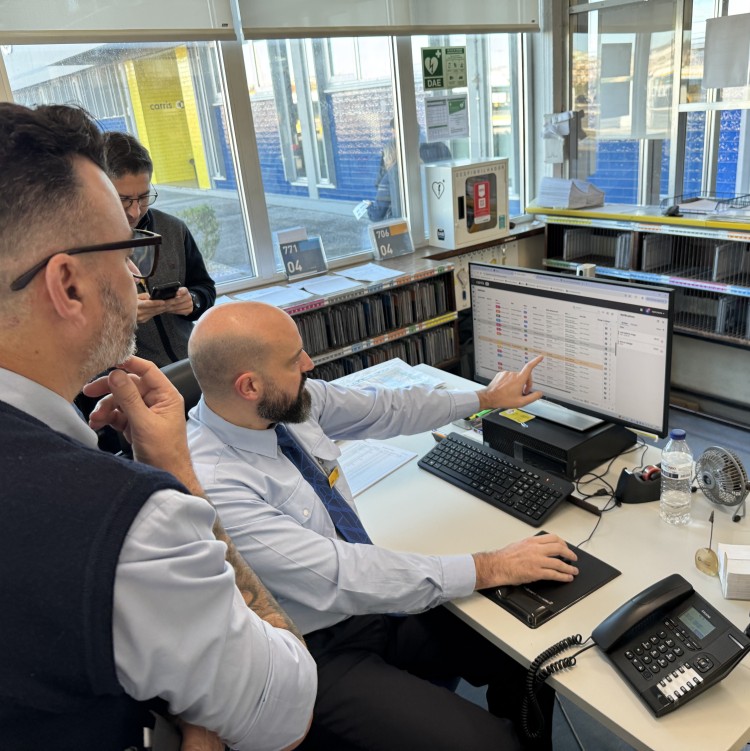
Improvements in the quality and consistency of the data also increased trust in the platform. Staff reported that the tool felt more aligned with the actual reality of their operations, which made it easier for them to rely on it during decision-making. Internal discussions with department leaders indicated that the system is now viewed as a meaningful support tool rather than an experimental add-on.
Importantly, Carris confirmed that the platform’s extended capabilities match their long-term needs as the fleet becomes more diverse. The pilot demonstrated that the system can adapt to new fleet segments and infrastructure without major redevelopment, which was highlighted as a strategic advantage.
Lessons learnt
Throughout IMPULSE+, one of the main lessons was the importance of accurate and consistent data when working with electric bus operations. Several challenges emerged when different systems reported similar values in different ways, especially around battery state-of-charge (SOC) and range estimation. These inconsistencies affected predictions and showed how even small deviations in source data can influence operational decisions in a control room. The project highlighted the need to carefully verify incoming data, understand how each system calculates key indicators, and apply conversion or harmonisation steps when necessary.
At the same time, the pilot confirmed the value of involving the operator early when interpreting data differences, as this helped identify which source reflects real operational conditions. Another key learning was the importance of designing tools that remain functional even when some data sources are temporarily unavailable. This ensures the platform can still support dispatchers without relying on a single API.
Overall, the project demonstrated that mixed-fleet management becomes more reliable when data quality issues are openly addressed, documented and adjusted for. These learnings form a practical foundation for replicating similar solutions in cities where multiple suppliers and systems coexist.