

Smart charging for zero-emission urban logistics
Supported by EIT Urban Mobility
The Challenge
The main challenge for the city of Venlo (The Netherlands) is the transition towards sustainable urban logistics in preparation for the planned zero-emission logistics zone entering into force from 2025. As a medium-sized logistics hub near the German border with strong multimodal transport connections, Venlo faces increasing pressure to reduce emissions while maintaining efficient and reliable urban freight operations.
A key challenge is supporting logistics operators in the transition to electric light commercial vehicles (e-LCVs) while ensuring that charging infrastructure and energy systems can cope with growing electricity demand. At the same time, the city aims to explore how smart charging and vehicle-to-grid (V2G) services could contribute to grid flexibility and energy optimisation without disrupting daily logistics activities.
Unlike larger metropolitan areas such as Barcelona and Brussels, which primarily focus on congestion, air pollution and restricted urban access, Venlo’s challenge lies in enabling scalable electrification of commercial fleets within a regional logistics ecosystem while testing the feasibility of integrating EVs into broader energy services.
The Solution
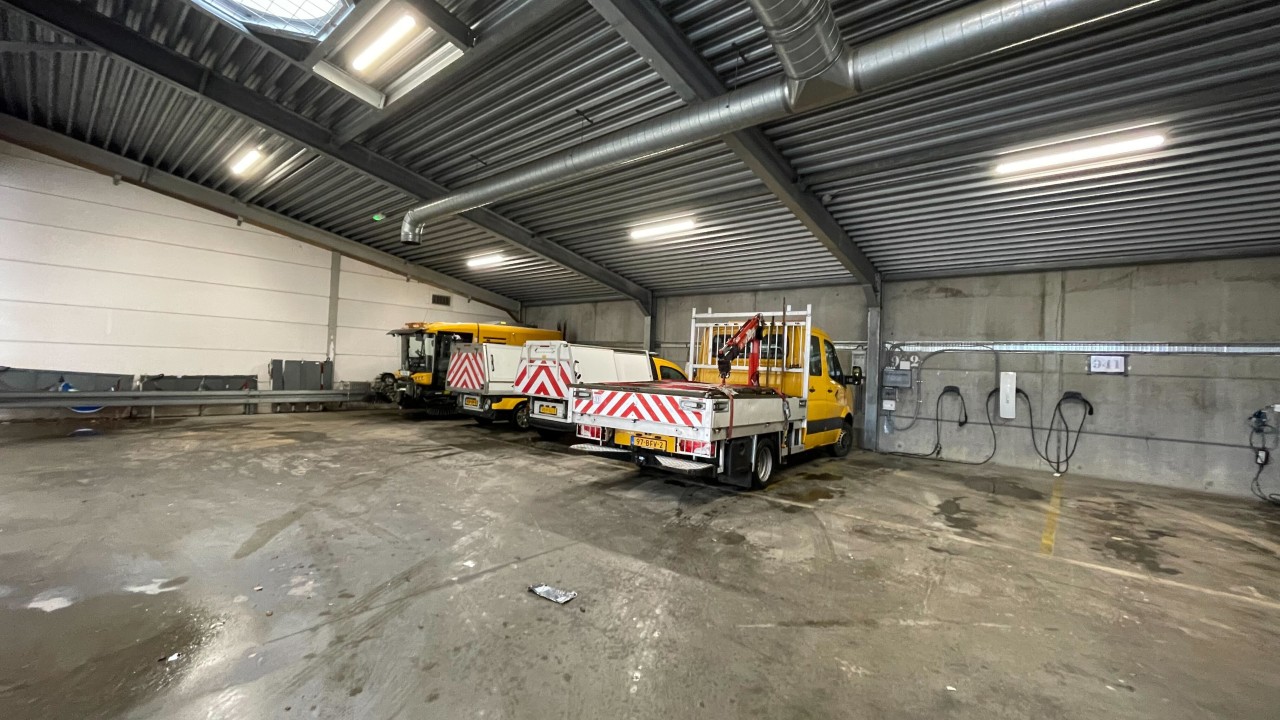
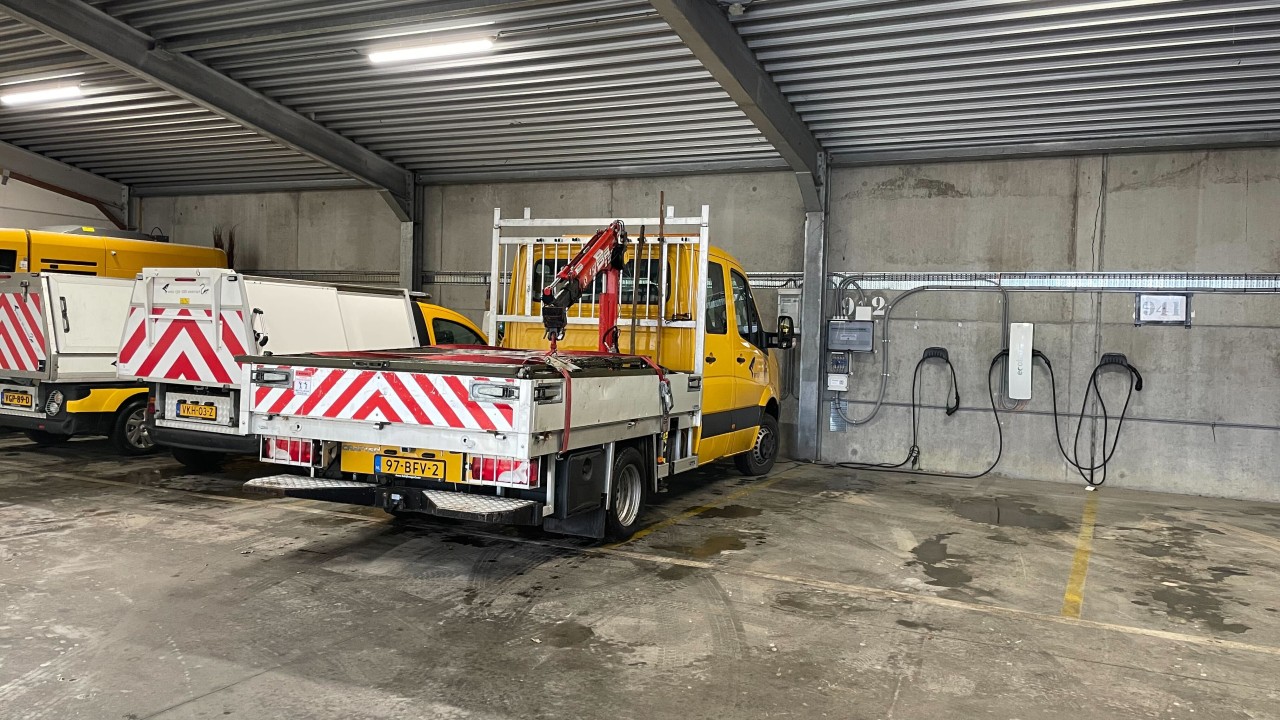
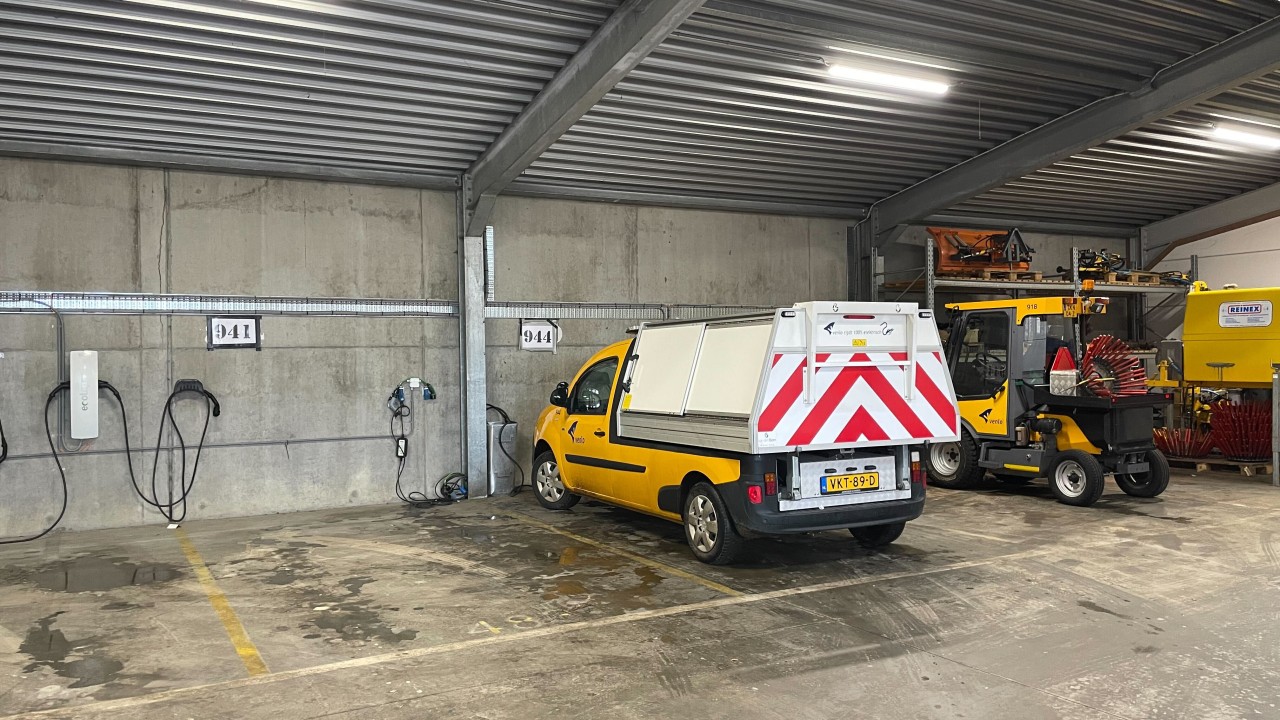
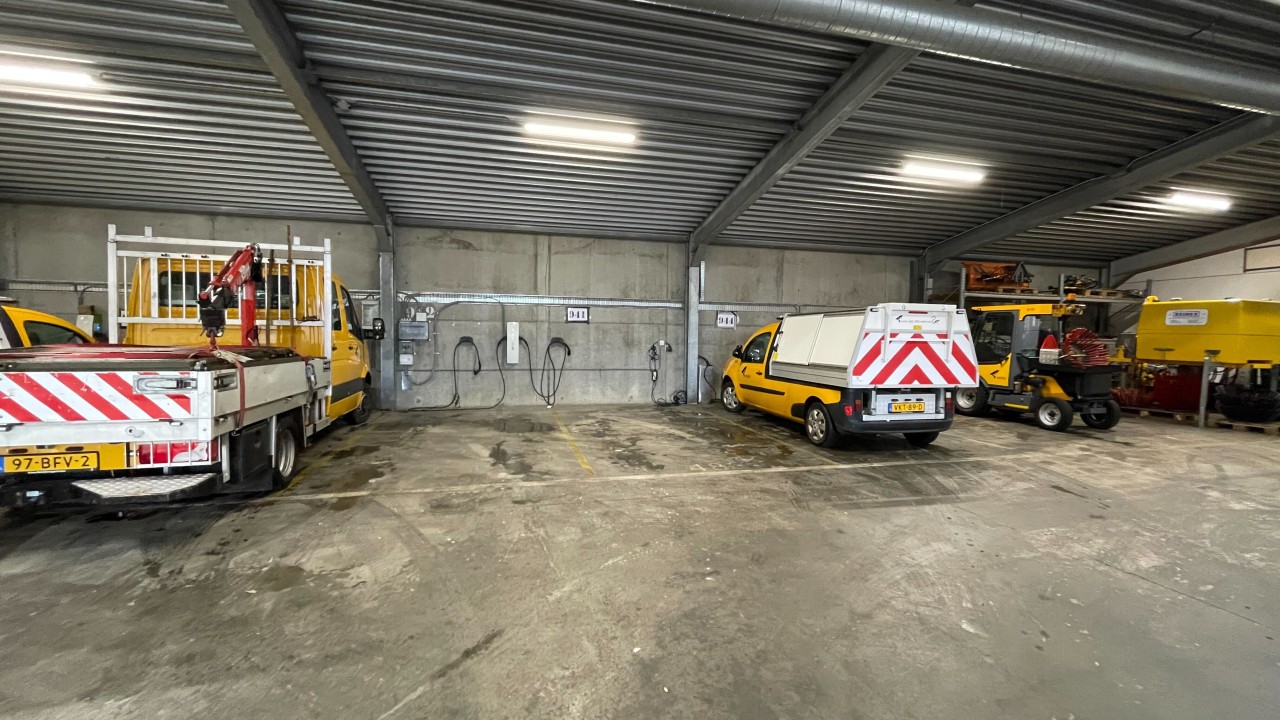
The solution implemented in Venlo focused on integrating smart energy management into urban logistics through the deployment of 17 shared electric light commercial vehicles (e-LCVs) for around 30 users. The pilot combined shared electric mobility with smart charging to support the transition towards zero-emission urban freight operations.
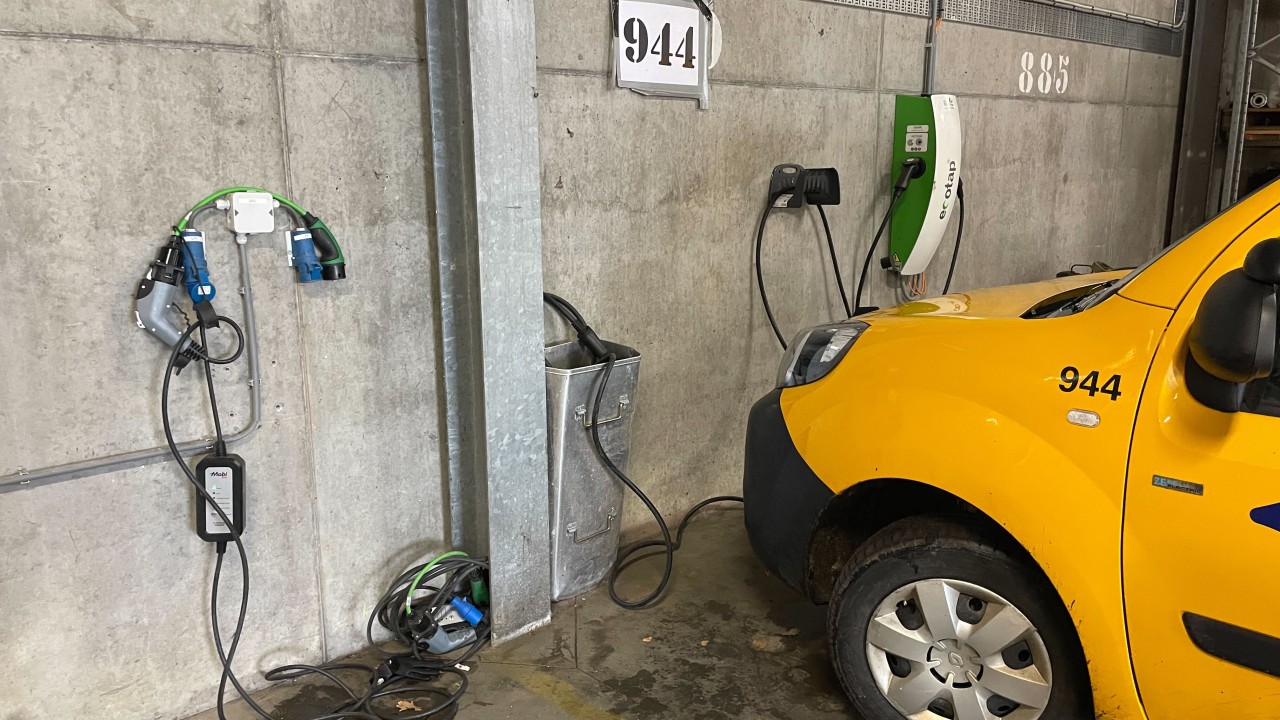
It deployed V1G smart charging infrastructure connected to the FlexEV platform, which dynamically optimised charging profiles based on vehicle data, reservations, charging sessions and day-ahead electricity market information. Charging schedules were updated every five minutes using AI-based optimisation to reduce costs, increase efficiency and maximise renewable energy use.
In addition, the pilot explored the potential of Vehicle-to-Grid (V2G) functionality for future energy services, assessing how electric logistics fleets could provide flexibility to the power system.
The pilots in Barcelona and Brussels focused primarily on V1G smart charging integrated with microgrids and local energy production, while the Venlo pilot placed greater emphasis on scalable B2B fleet operations and the potential integration of EVs into broader energy services.
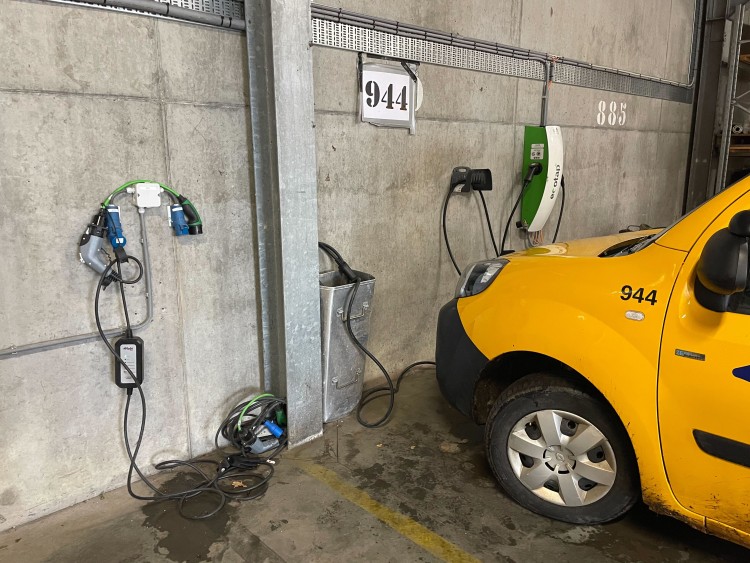
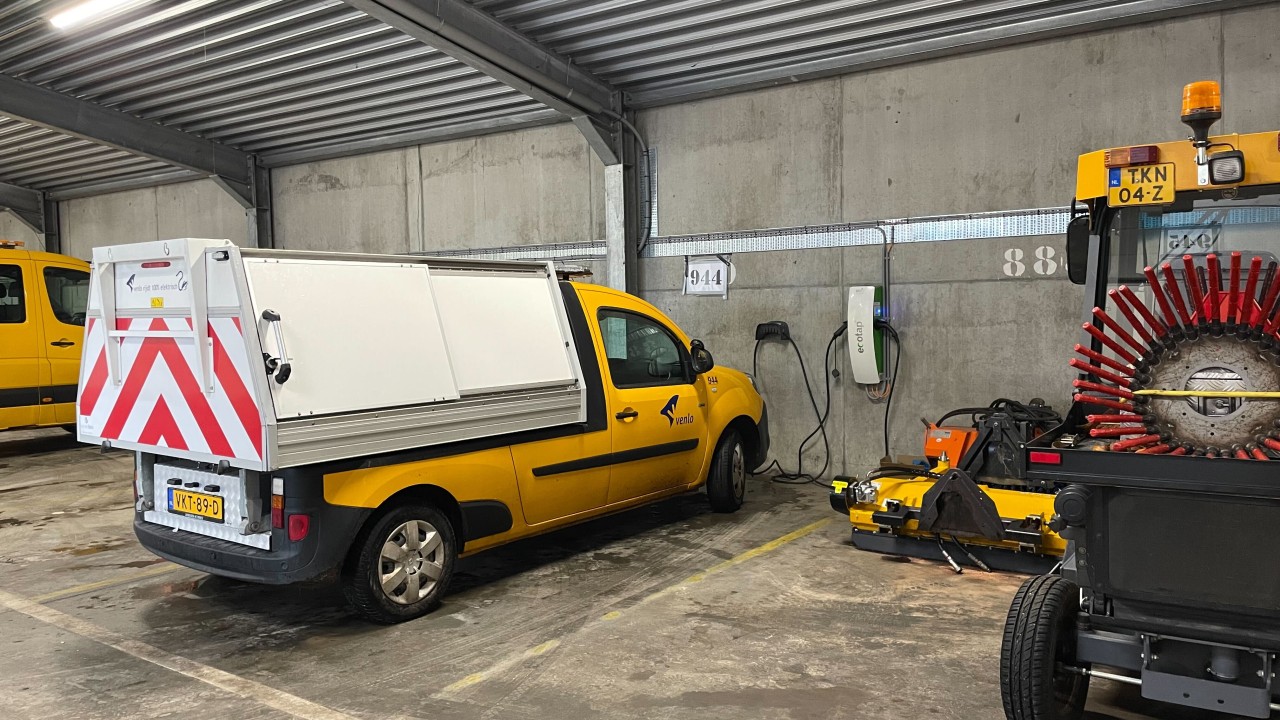
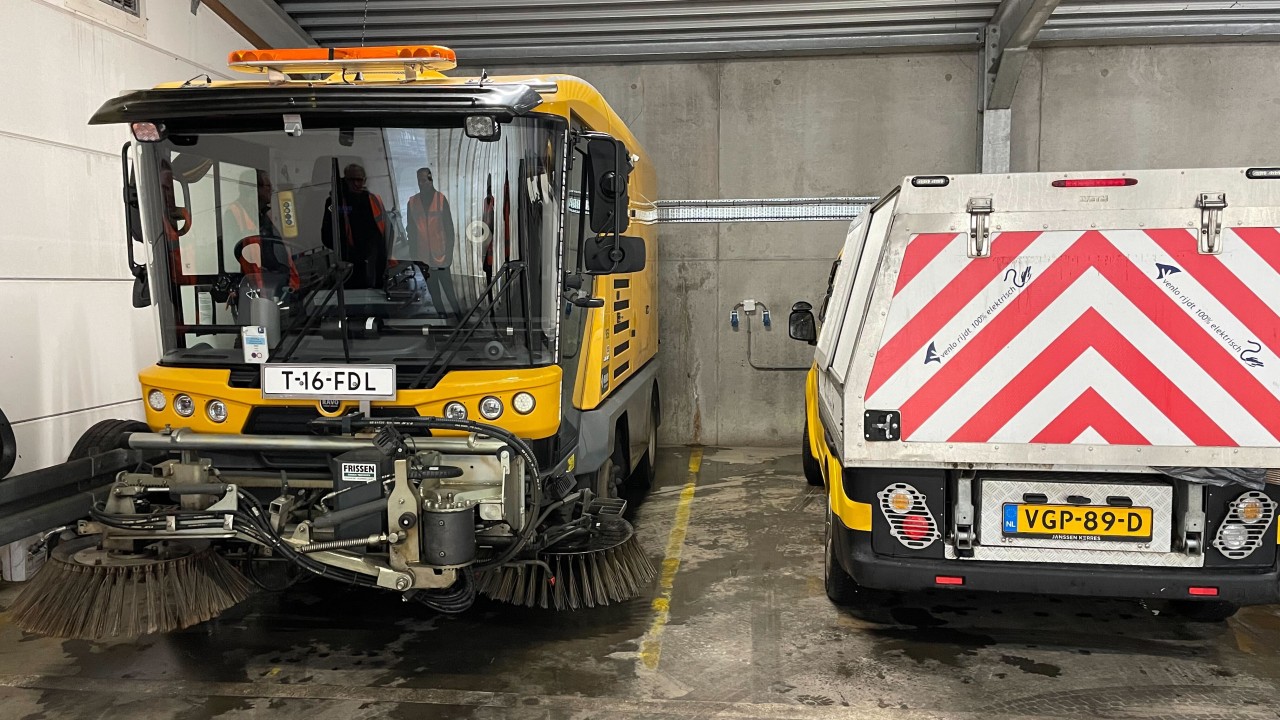
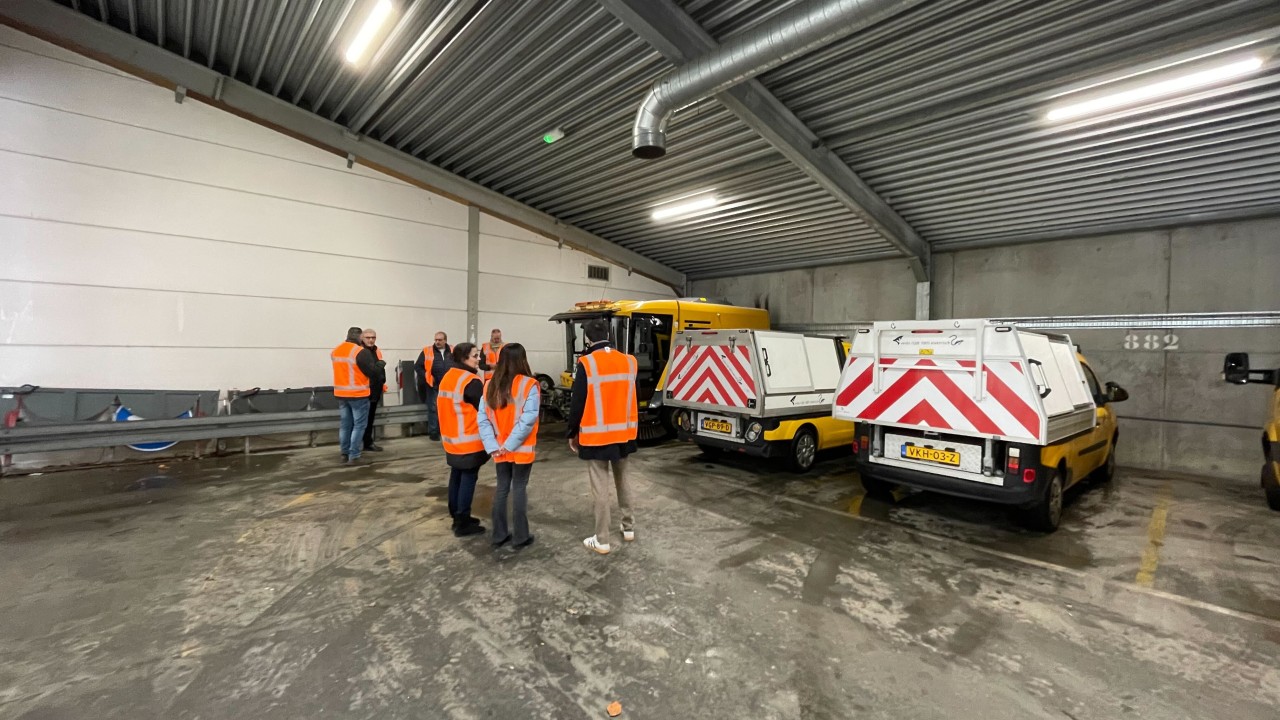
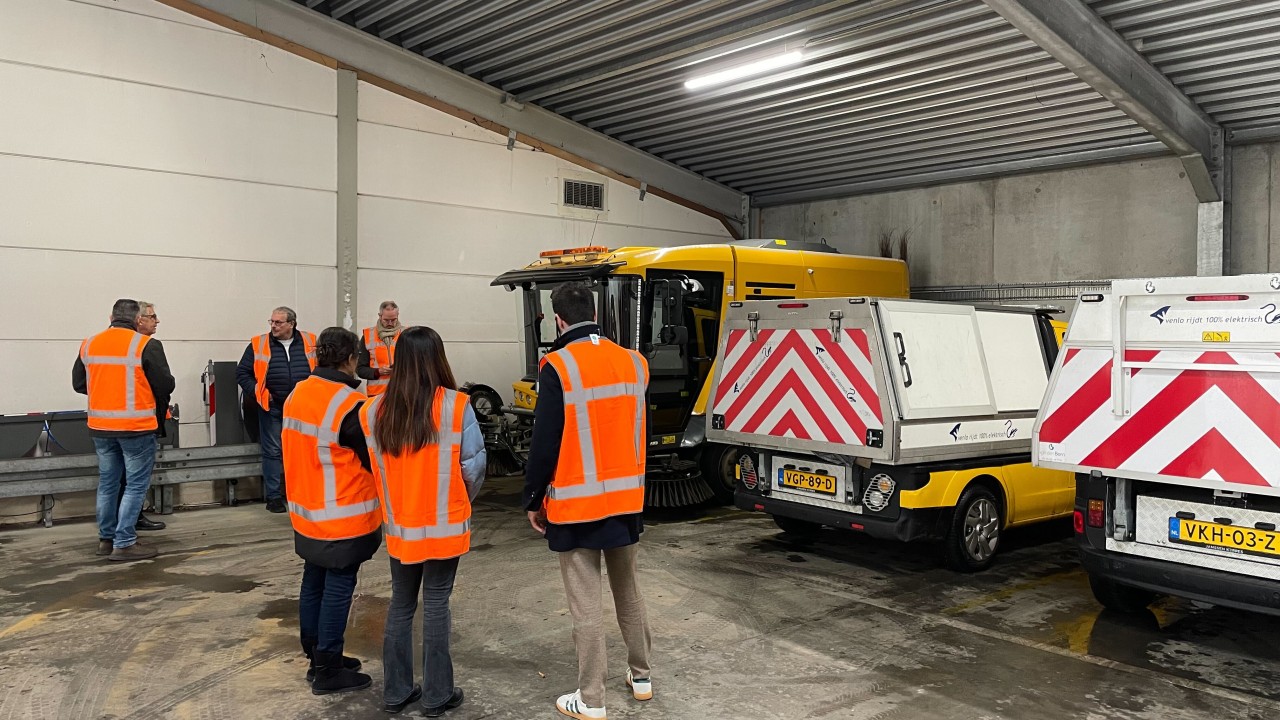
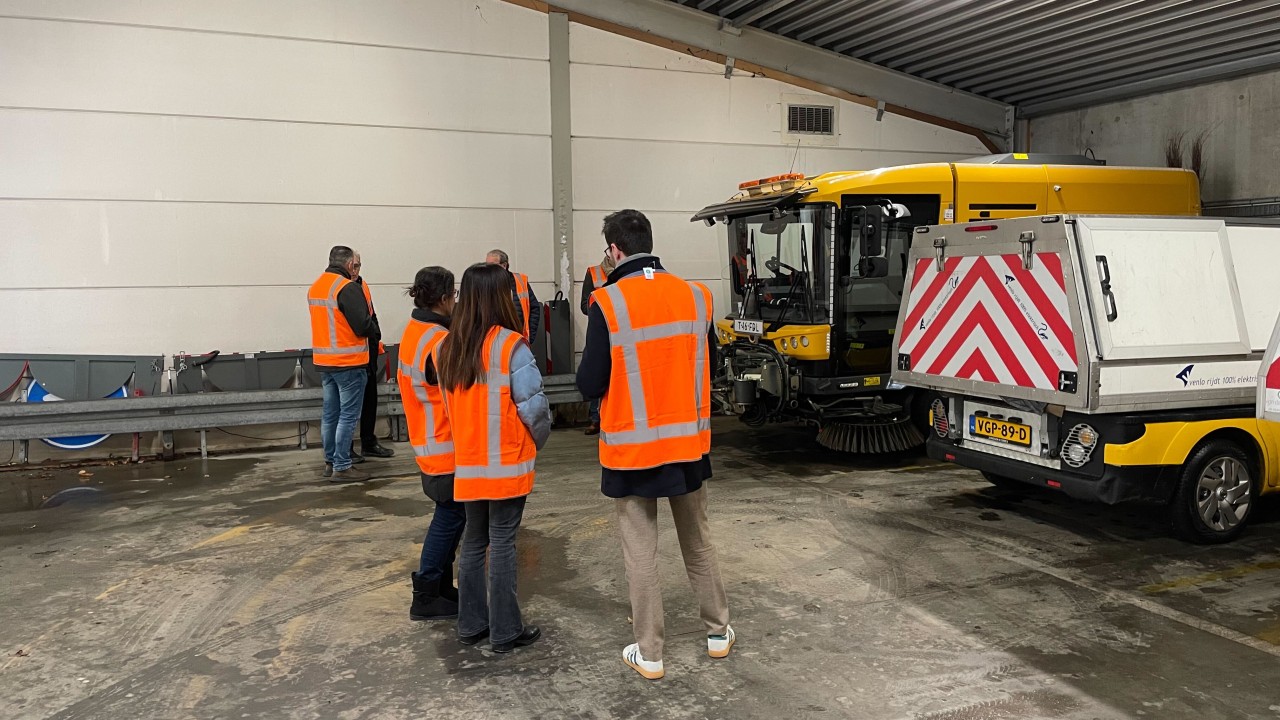
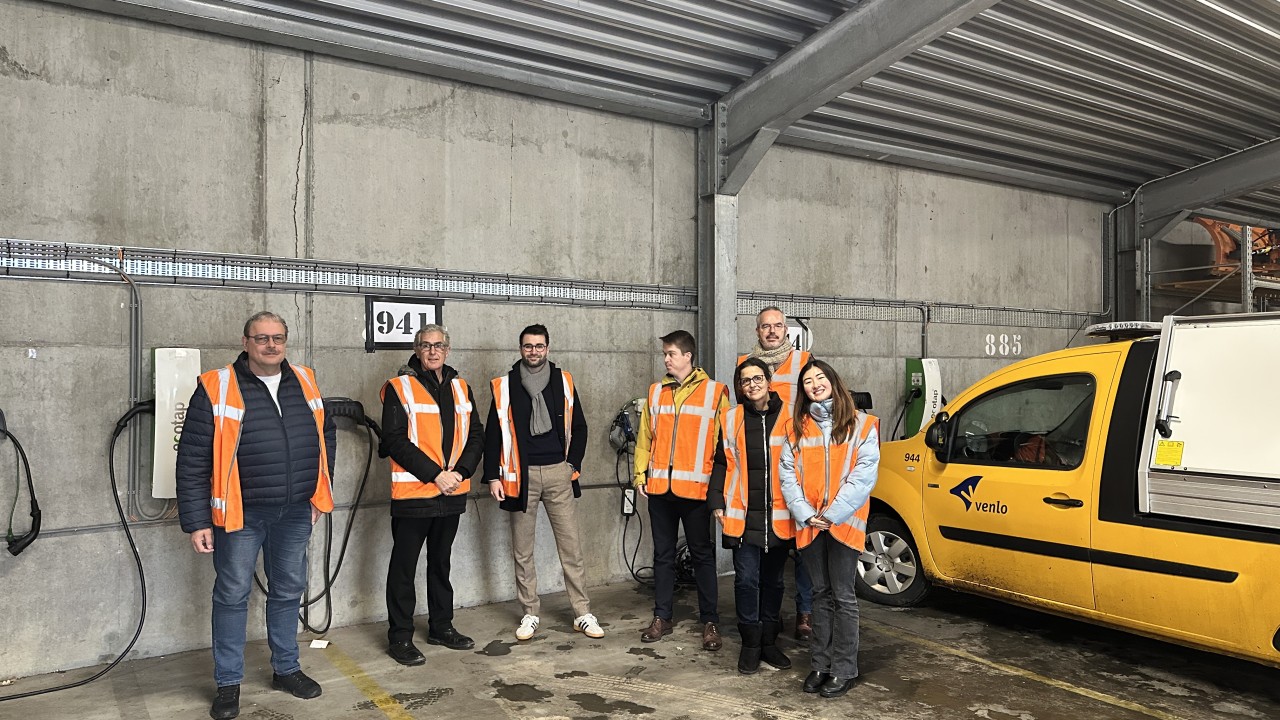
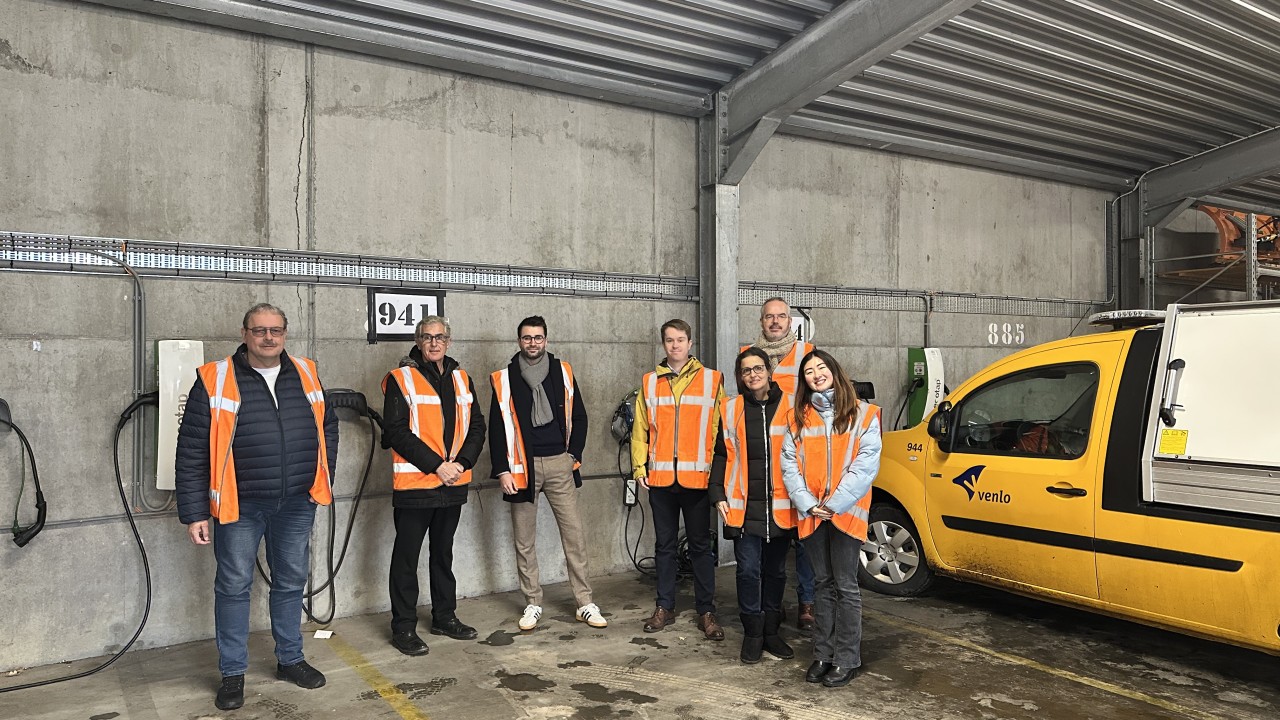
FlexEV in action at the Venlo Municipal Depot Fleet
Making an impact
The impact of the Venlo pilot was evaluated through predefined KPIs to validate the effectiveness of smart energy management in a large-scale e-mobility environment. The FlexEV solution successfully met all key targets.
In terms of cost savings, the pilot achieved a 10% reduction in charging costs compared to standard charging strategies, confirming the financial value of AI-driven smart charging and load optimisation. This result was fully aligned with the outcomes observed in the other pilots, including Barcelona and Brussels, which also demonstrated a 10% reduction in charging costs under comparable smart charging conditions.
User engagement exceeded expectations, with more than 30 active users and at least two charging sessions per user per week. The high engagement levels reflected the operational nature of the fleet, as vehicles were used daily in real logistics activities.
From a technical validation perspective, smart charging profiles were successfully demonstrated across all deployed e-LCVs, confirming the robustness of the FlexEV platform in real-world operations. Vehicle-to-Grid (V2G) functionality was explored as part of the pilot scope; however, it was not fully validated due to the lack of V2G-compatible hardware. Nevertheless, system adaptations required for future V2G implementation were identified and documented for further development.
Lessons learnt
The Venlo pilot demonstrated that smart energy management for utilitarian electric fleets can be effectively used as a foundation for long-term fleet electrification strategies. A key lesson is that integrated platforms such as FlexEV can support both operational fleet management and energy optimisation, making them suitable as a “blueprint” for scaling municipal zero-emission fleet operations over the next years.
The pilot showed that shared and coordinated charging strategies become increasingly relevant as fleet utilisation intensifies, particularly for municipal utility fleets such as vans and light trucks. This highlights the importance of aligning charging optimisation with daily operational planning to ensure reliability and user acceptance.
A further lesson is that the model is transferable to other mid-sized municipalities (approximately 100,000 inhabitants) with comparable logistics structures and fleet operations, provided that sufficient charging infrastructure and data integration are available.
The pilot also confirmed that scaling smart charging solutions requires early alignment between fleet operators, charging infrastructure providers and energy system stakeholders, particularly when planning future integration with local storage systems and more advanced grid services.
Finally, while Vehicle-to-Grid (V2G) was not technically validated during the pilot due to hardware limitations, it was identified as a relevant future capability.