

Improving bicycle lifespans for commuters in Stockholm
In Stockholm, cycling already plays an important role in daily commuting and local travel. Yet, the environmental potential of bicycles remains underused.
Supported by EIT Urban Mobility
The Challenge
The bicycle plays a growing role in creating sustainable and vibrant cities, but to be a true alternative to other modes of transport, bikes must stay in use. Today, many bicycles stand idle due to lack of repair or are discarded too early, as current systems do not sufficiently support maintenance or circular economy practices. This limits the potential of cycling to reduce emissions and contribute to urban sustainability.
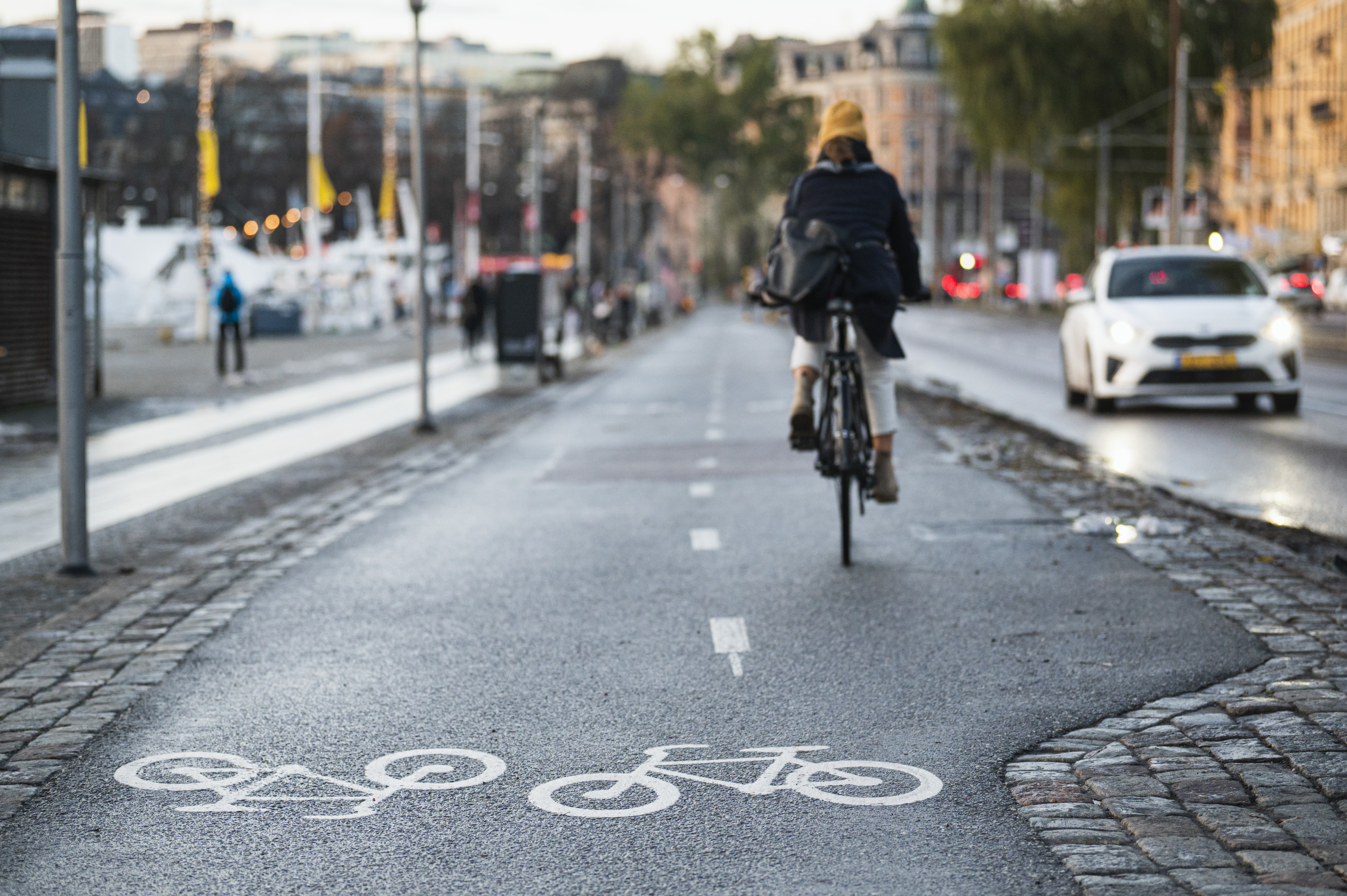
Stockholm has a strong cycling culture and clear commitment to sustainability. Over the past decade, bicycle journeys in the city have doubled, aligning with the city’s ambition to reduce CO₂ emissions and promote cycling as a primary mode of transport. The challenge of underused or wasted bicycles is shared by cities worldwide, making Stockholm a relevant and scalable testing ground for new solutions.
The Solution
The pilot set out to keep bicycles in use for longer by making maintenance easier and more accessible. By helping bike owners keep their bicycles ready for the next journey, MIOO aimed to reduce reliance on cars and public transport. Throughout the pilot, cyclists across Stockholm were engaged through in-person meetings and surveys to gather insights.
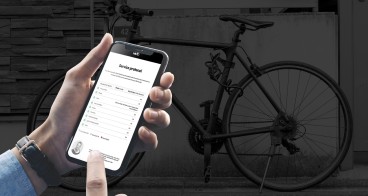
What started as a tool for bike registration and service tracking expanded to include access to replacement bikes while a user’s own bike was being serviced - ensuring continuous, low-emission mobility. In collaboration with property owners through the City's network, tenants were offered mobile bike service and digital registration. The pilot aligned closely with Stockholm’s sustainability ambitions and demonstrated how digital bike identities, integrated service history, and loan bikes can form a circular ecosystem where bikes last longer and more people keep cycling.
Making an impact
MIOO piloted a digital service that demonstrated how technology and collaboration could extend the life of bicycles and reduce urban emissions - a concrete step toward more sustainable mobility. When more bicycles stay on the road for longer, cities move closer to a cleaner and more resilient transport system.
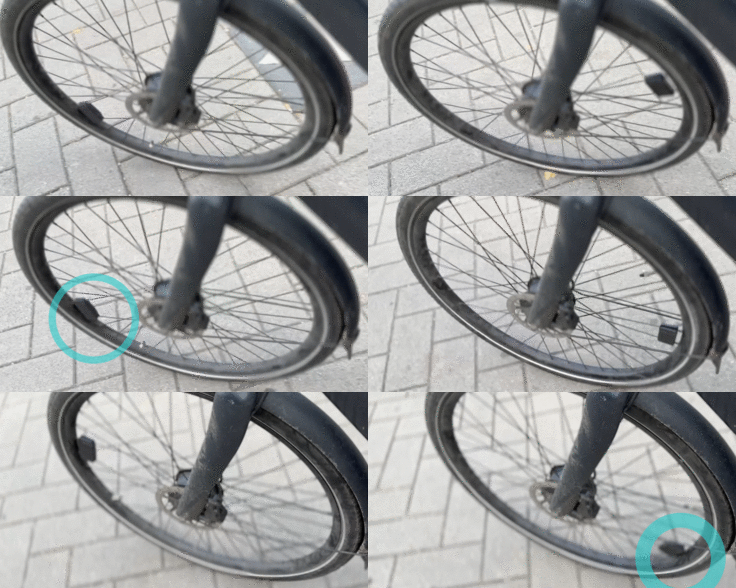
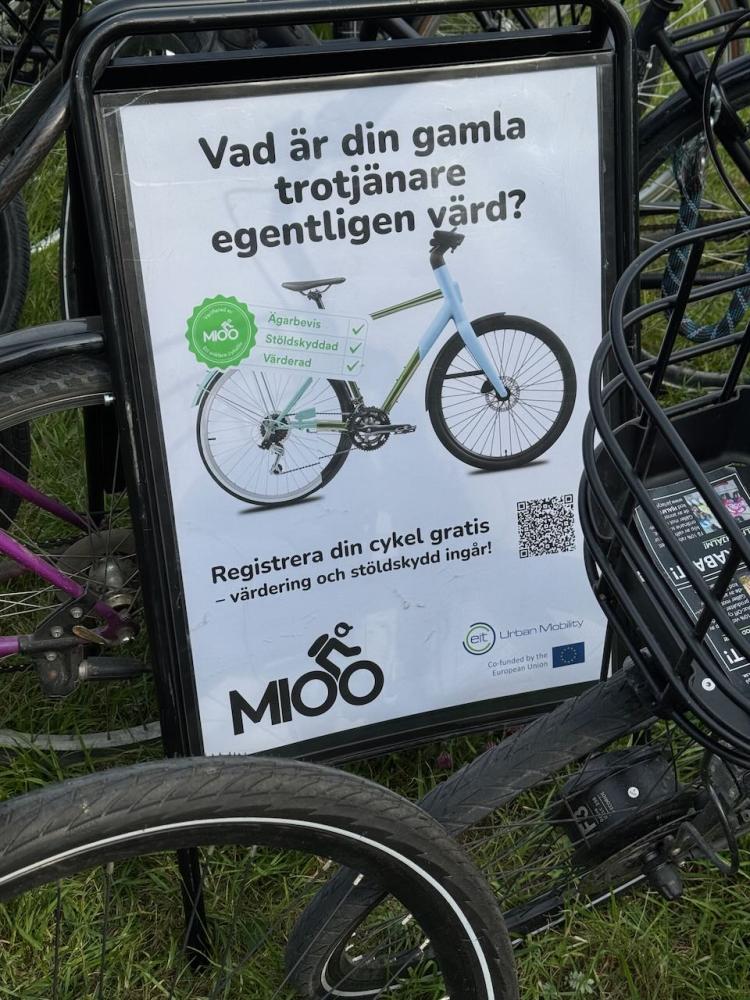
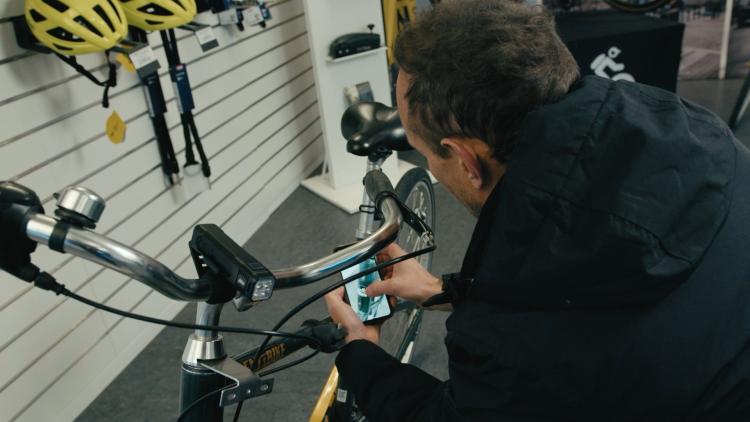
The pilot enhanced digital bicycle lifecycle management by integrating new features into the MIOO platform, including ownership transfer, QR code–based registration, and AI-powered bike specifications, preparing the solution for upcoming EU regulations. By digitising service history, ownership records, and product data, the solution improved the user experience while promoting sustainability through longer-lasting bicycles.
On average, the solution had the potential to reduce CO₂ emissions by up to 690 tons per year.
Lessons learnt
There have been insightful lesson learnt during the project especially about the users and the limitations of purely digital solutions.
- It is not enough to simply offer an app for registering one's bike. Cyclists are generally not mature enough for a completely digital platform where they are solely responsible for administrating their bicycle's entire lifecycle.
- Instead, the digital platform must be tightly integrated with a robust network of workshops and attractive service offerings for the bike to truly roll longer and sustainably.
- Users are more engaged when they directly see how the service makes their cycling easier. When focusing on service and rental, interest increased significantly. It shows that people want to cycle, as long as it is easy and accessible.
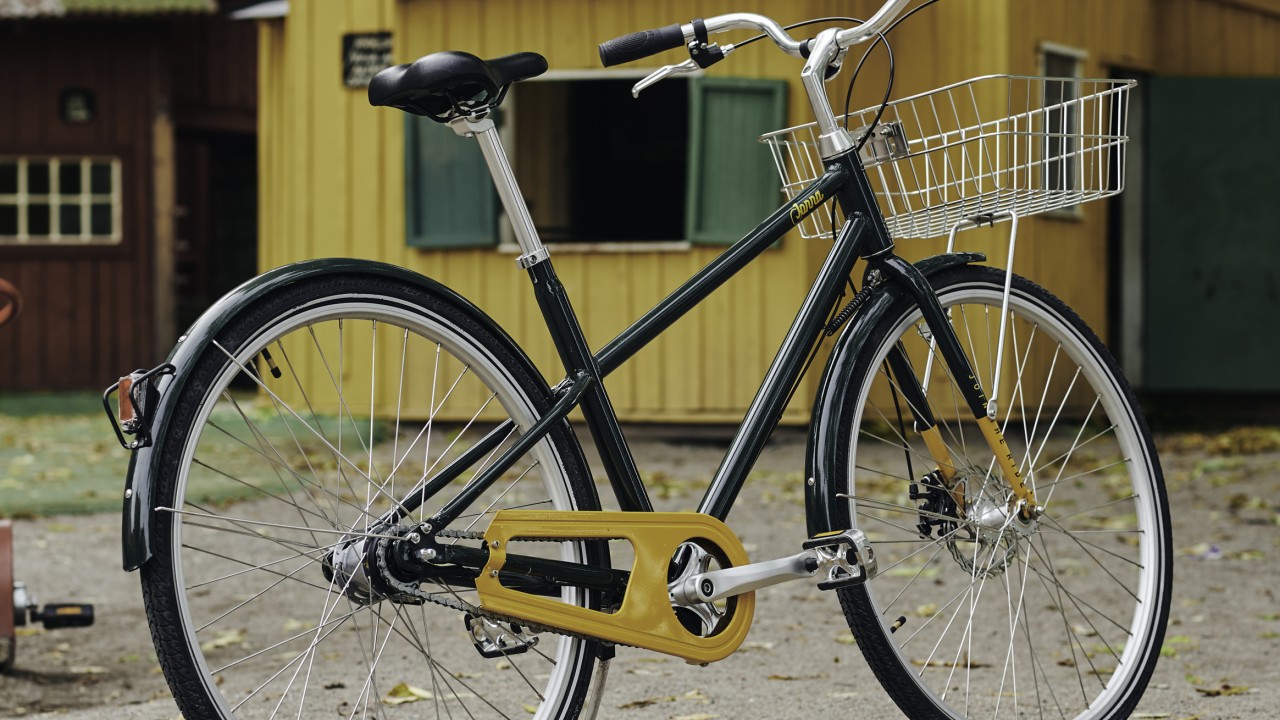
Your own bike which always works, equipped with front and back brakes, lamps, lock and basket.
Your own bike which always works, equipped with front and back brakes, lamps, lock and basket.