


Battery health monitoring and optimisation for electric public transport buses
Supported by EIT Urban Mobility
The Challenge
The rapid electrification of public transport fleets has created major operational challenges for Public Transport Operators (PTOs) and Authorities (PTAs). Battery health management relies primarily on Original Equipment Manufacturers (OEMs), whose data is often inaccessible or lacked transparency. This limited operators' ability to independently assess battery condition, leading to unpredictable service interruptions, premature battery replacements and increased total cost of ownership.
Another major difficulty was the inability to accurately forecast charging needs or battery degradation. Electric fleets typically include multiple bus models, battery chemistries and aging profiles, making reliable State of Health (SoH) estimation complex. Without standardised metrics or real-time monitoring, operators struggled to plan maintenance and replacement strategies.
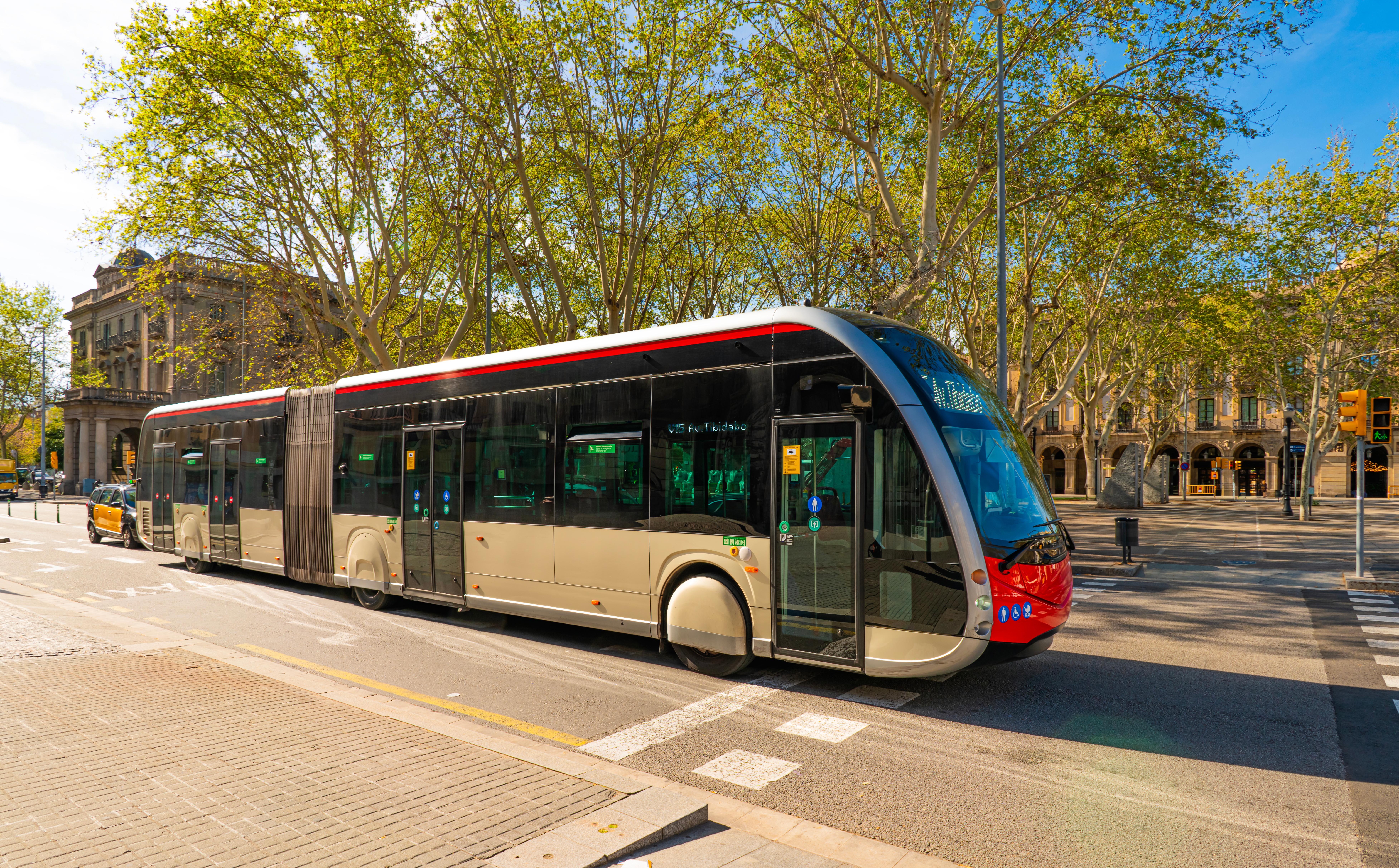
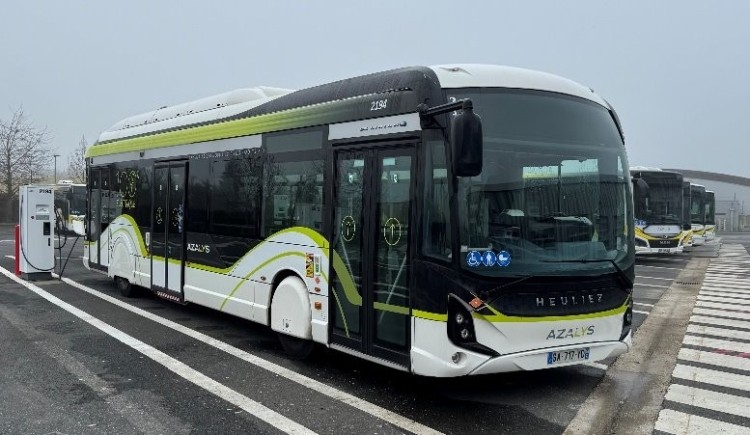
These challenges were particularly evident in the pilots conducted in Blois (France) and Barcelona (Spain). Blois, a compact Loire Valley city with narrow streets and elevation changes, places additional strain on electric buses due to higher energy consumption and cold winter temperatures that affect battery performance. In contrast, Barcelona’s dense urban environment, heavy transit demand and high summer temperatures increase energy use for air conditioning. In both contexts, the lack of reliable SoH data made battery management and operational planning extremely difficult.
The Solution
ACTIA SOH Fleet was developed to provide PTOs with independent, transparent and data-driven battery health monitoring for electric bus fleets. The solution integrates telematics, data analytics and predictive algorithms into a scalable platform that enables real-time operational insights.
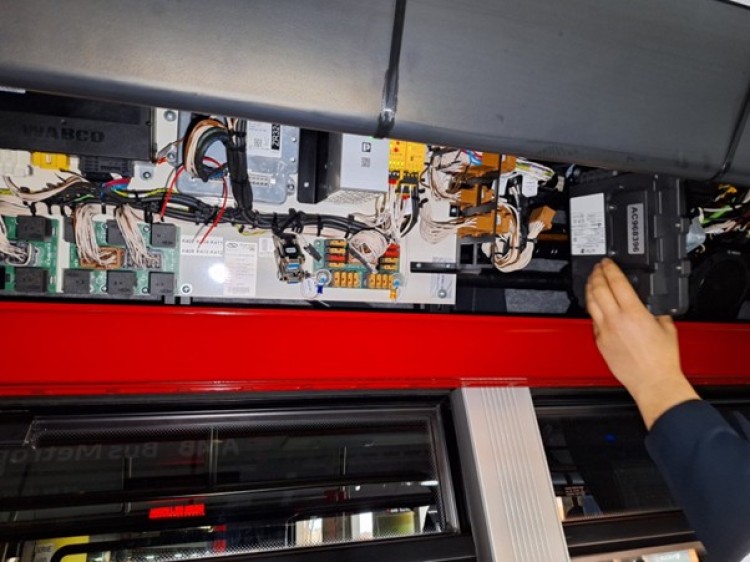
The system combines three core components: the TGUR telematics gateway installed on buses to collect CAN/FMS data, the D2Hub server for secure data aggregation and processing, and a SaaS web portal that provides dashboards, alerts and predictive analytics. This architecture allows operators to monitor battery performance continuously without relying on OEM-provided indicators.
The platform calculates an independent State of Health (SoH), predicts battery degradation trajectories and estimates end-of-life timelines. It also includes an optimisation advisor that identifies factors accelerating battery aging, such as HVAC usage, temperature variations and charging patterns. Real-time alerts and key performance indicators help operators detect abnormal energy consumption and adjust operational strategies.
The solution was tested in two pilot environments: six electric buses operating in Blois and ten buses in Barcelona. Automatic telemetry data retrieval, combined with operational data from the PTO (Keolis), allowed validation of system alerts and improved understanding of how route conditions, temperature and operational practices influence battery performance.
Making an impact
The pilots demonstrated that ACTIA SOH Fleet can significantly improve fleet management, operational reliability and sustainability for electric bus operations.
The platform now calculates battery State of Health daily, providing operators with continuous visibility over battery performance and enabling proactive maintenance decisions. The SoH estimation achieved accuracy levels six times higher than OEM battery management systems, with an error margin below 1%. This precision allows operators to make informed decisions regarding battery replacement planning and asset management.
Operational intelligence was also significantly improved. The system generates 25 categories of alerts with actionable recommendations, helping operators detect abnormal energy consumption patterns, optimise charging strategies and reduce unnecessary battery stress. The platform also enabled deeper analysis of external influences on battery performance, including temperature, route characteristics and vehicle usage patterns.
The pilots confirmed the solution’s adaptability across different urban contexts. In Blois, the platform helped understand how elevation changes and winter temperatures affect battery efficiency. In Barcelona, it supported the management of high-demand routes and summer cooling loads. Overall, the system demonstrated the potential to extend battery lifespan by up to 20%, reduce maintenance costs.
Lessons learnt
The pilots highlighted several technical and operational lessons that are critical for deploying battery health monitoring systems at scale.
One of the main challenges was integrating data from multiple OEMs, each using different formats, communication protocols or sensor configurations. In addition, inconsistencies in telemetry feeds and the relatively small sample size of the initial fleet (16 buses) required careful model calibration. To address these issues, automated data validation and cleaning pipelines were developed to ensure reliable inputs for predictive algorithms.
Another key lesson was the importance of iterative development. Predictive models were continuously refined as more operational data became available, improving accuracy and reliability over time. Close collaboration with operators and maintenance teams also proved essential. User feedback helped refine dashboard design, alert systems and performance indicators to ensure that insights were clear, actionable and aligned with operational needs.
The pilots also confirmed that scalability depends on modular and flexible system architecture capable of adapting to different fleet compositions and city contexts. Ultimately, the experience demonstrated that high-quality data, user-centred design and strong integration with operational workflows are essential for the successful deployment of digital fleet management solutions and their replication across European cities transitioning to electric mobility.