

Physical Internet Observatory

Transforming last-mile deliveries

City logistics is undergoing a profound transformation. Emerging IoT and AI technologies are entering the market to revolutionise the supply and delivery of goods within our urban landscapes. The Physical Internet Observatory offers new ways to decarbonise and optimise last-mile logistics through a combination of physical and digital innovations. 

What is the Physical Internet Observatory? 

The concept of the 'physical internet' is a visionary approach, drawing inspiration from the way information flows on the internet while setting new benchmarks for global supply chain and last-mile logistics. The vision entails the creation of a highly interconnected and efficient physical network of transportation and logistics infrastructure, enabling greater flexibility, scalability, and sustainability for transporting goods. To do this, warehouses, transportation operators and logistics companies will need to share information and work together. The first step to making the physical internet a reality is by digitalising all available data. As the digitalisation of our physical world continues, it brings both opportunities and risks that demand proactive urban preparedness. 

The URBANE project is an initiative dedicated to addressing these challenges, by guiding and facilitating exchange between city managers, logistics firms, and transport visionaries. On the Mobility Innovation Marketplace, URBANE offers an observatory platform providing expert insights on market trends, regulatory dynamics, and innovative solutions poised to shape the future of urban logistics. 
Best Practices

Learn from cities’ success stories contributing to the deployment of the Physical Internet
Image for Madrid: Piloting a sustainable last-mile delivery system
1 minutes reading time

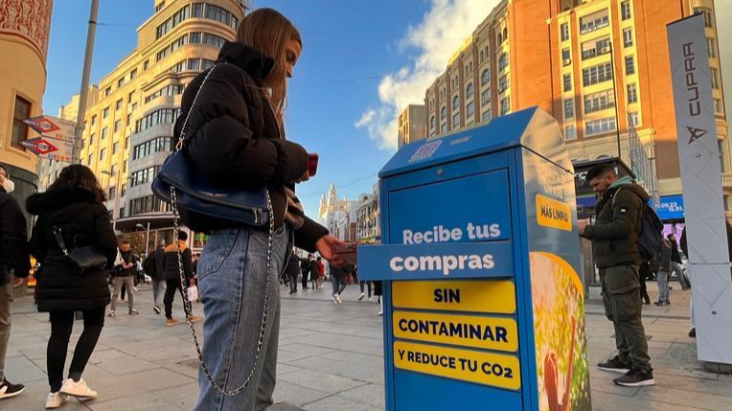
Madrid: Piloting a sustainable last-mile delivery system

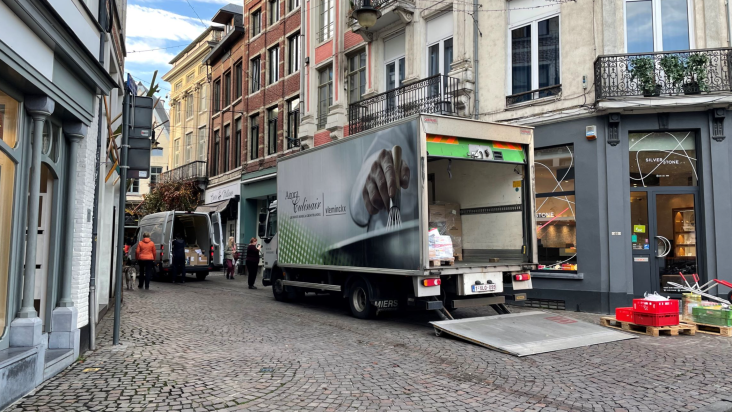
The rise of e-commerce has dramatically increased the presence of delivery vans in our cities, causing more C02 emissions, noise pollution, and congestion.
Image for Leuven: Reimagining the curbside
3 minutes reading time

Leuven: Reimagining the curbside

Cities curbs, being the interface between roads and sidewalks, are more contested than ever due to the growth of urban logistics, active mobility, and new mobility.
Image for Prague: Implementing cargo bicycle hubs
2 minutes reading time

Prague: Implementing cargo bicycle hubs

Delivery vans occupy the historical centre of town Bicycles are not very well used in the city and cargo bikes were almost unheard of by citizens before this scheme The terra

Products

Check out the technologies supporting the deployment of the Physical Internet.
Image for Smart Point: Reducing delivery vans in cities.
1 minutes reading time

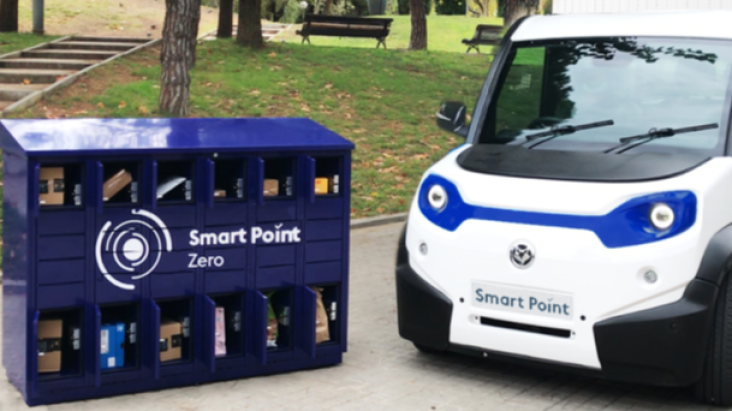
Smart Point: Reducing delivery vans in cities.

Smart Point designs zero emission delivery networks for smart cities. Micro neighbourhood hubs connected via a decentralized routing system, enabling all couriers to deliver 8x more efficiently.

Image for Last Mile Digital Platform
1 minutes reading time

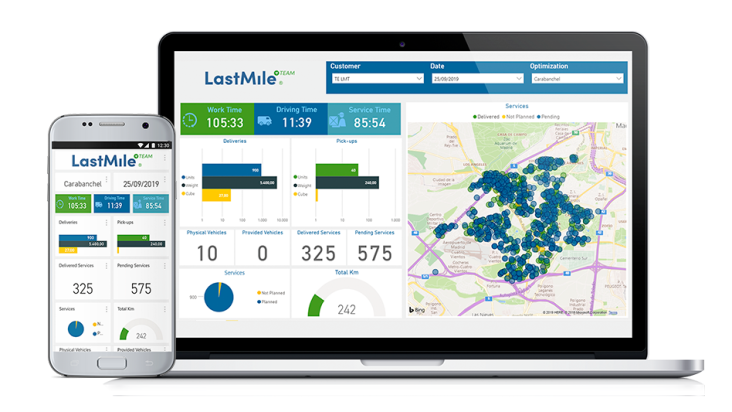
Last Mile Digital Platform

Fairer, smarter and greener urban logistics and last mile delivery business models.Solutions that deliver up to 30% reduction in congestion and emissions, up to 25% reduction in transport and delivery