

Guimarães, Portugal: optimising market deliveries
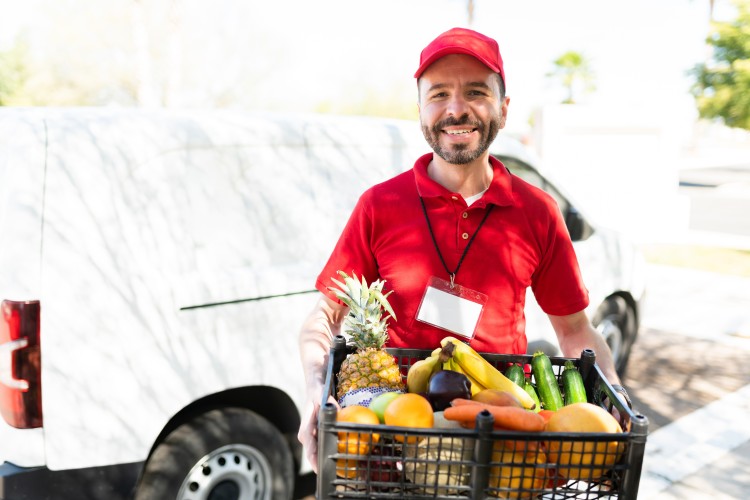
The Challenge
How can Guimarães optimise the scheduling, routing, and tracking of deliveries of fresh goods from the municipal market using an e-vehicle micro-logistics service?
The city is looking for to pilot a shared municipal micro-logistics service, operated with an existing municipal electric vehicle, to consolidate and deliver goods from the Municipal Market efficiently and sustainably. Vendors will be able to request delivery support through a digital platform, initially focused on restaurant clients but also open to residents. The pilot will demonstrate how a municipal logistics service can improve urban efficiency while supporting local commerce and reducing emissions. Guimarães is looking for a solution that will make this use case effective and replicable.
Who can apply?
The RAPTOR Open Call 2026 is open to single small and medium-sized enterprises (SMEs). Proposals must be submitted by one legal entity only; consortia are not permitted.
Applicants must:
- Qualify as an SME under the European Commission definition
- Be legally established in an EU Member State or a Horizon Europe associated country
- Propose a solution addressing one RAPTOR 2026 City Challenge
Applicants may apply to multiple city challenges, but only one project can be funded per applicant.
For full requirements, visit the website.
Background
Urban logistics around the Municipal Market in Guimarães are characterised by fragmented, short-distance deliveries that generate congestion, noise, and emissions, particularly during morning peak hours. The lack of a consolidated logistics system reduces efficiency for traders and undermines sustainability goals. To address this, the city aims to decarbonise market-related logistics by introducing a coordinated delivery service. Guimarães plans to use an existing electric utility vehicle as a shared logistics solution to consolidate deliveries to local restaurants and residents. This initiative supports the city’s broader objectives on sustainable logistics, local food systems, and a climate-neutral Bairro C.